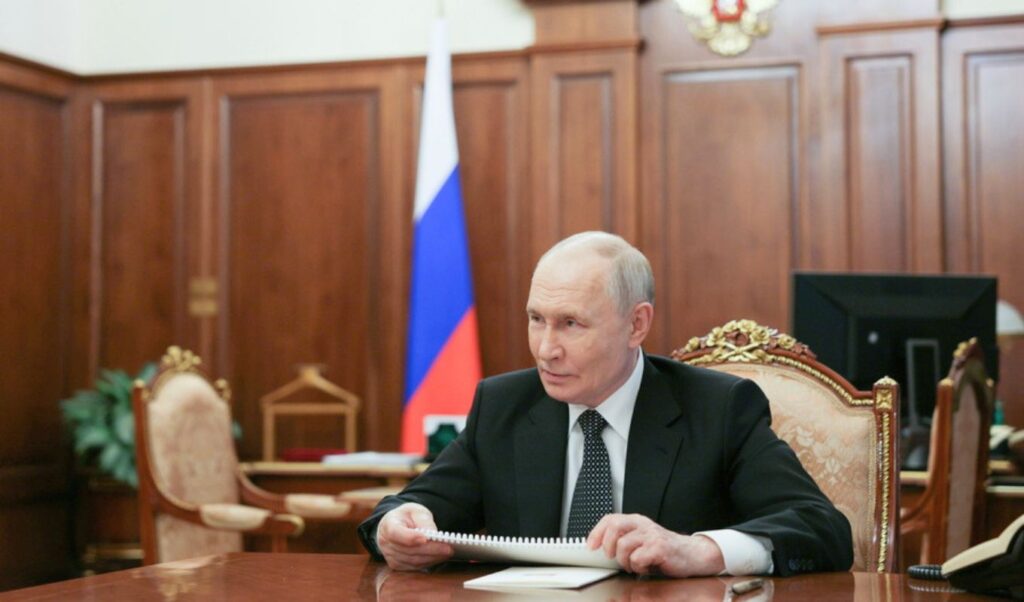
U.S. intelligence agencies assess that Russian President Vladimir Putin may attempt in the coming years to test the cohesion of NATO through a limited attack against a member state of the Alliance. This assessment marks a significant shift from previous analyses, which held that Moscow would avoid any direct provocation against NATO for as long as the war in Ukraine remains ongoing.
Read also: Tokayev Surprised Putin: Made a Public Appeal to Stop the War in Ukraine (Video)
According to a report by the Wall Street Journal, U.S. agencies are examining a range of possible scenarios, including cyberattacks, hybrid operations carried out by forces without official identification, or even a limited ground incursion.
The same assessments indicate that the risk of such an action may gradually increase during the period from now through 2029.
American officials, according to the report, believe Putin may be more willing to take risks due to the mounting pressures Russia is facing. These include ongoing Ukrainian counterattacks, slowing military progress on the battlefield, and rising domestic expectations for a decisive victory in the war.
The report also links this assessment to growing concerns about U.S. munitions stockpiles. It highlights a potential shortage in certain key weapons systems and munitions, including:
- Patriot interceptor missiles
- THAAD air defense systems
- Stinger missiles
- PrSM precision-strike missiles
- ATACMS missiles
These concerns are attributed to years of military support for Ukraine and increased U.S. defense spending, including the costs associated with Operation “Epic Rage” against Iran.
On the other hand, both the Pentagon and the White House have pushed back against these concerns. U.S. Department of Defense spokesman Sean Parnell described reports of ammunition shortages as “inaccurate,” while the White House emphasized that the United States maintains sufficient munitions stockpiles to achieve all of its strategic objectives.