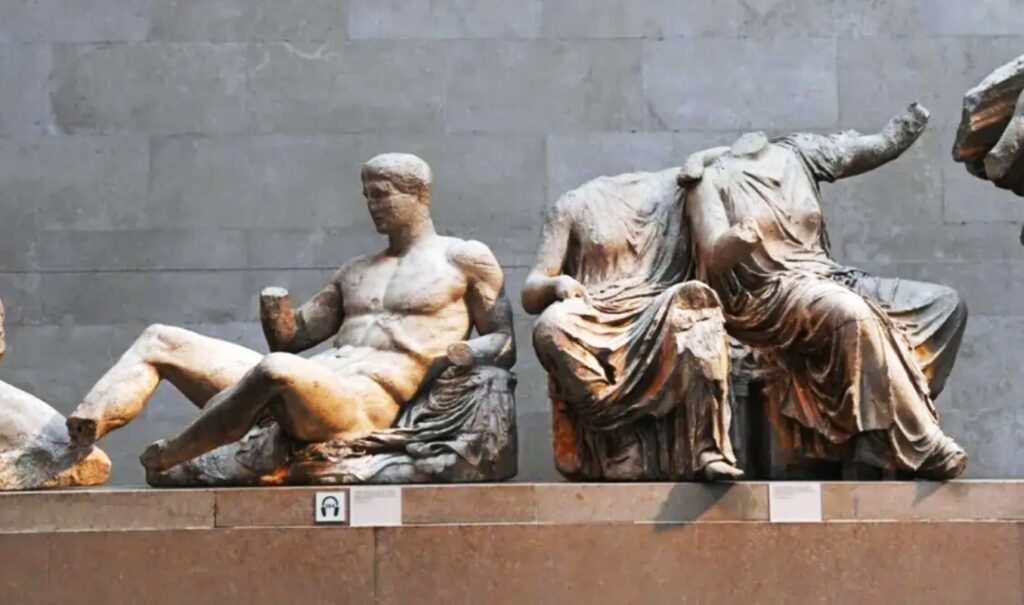
The Parthenon Marbles once again took center stage in international cultural and diplomatic discussions during the 25th Session of the UNESCO Intergovernmental Committee for Promoting the Return of Cultural Property to its Countries of Origin, where Greece received strong support for its longstanding demand for the definitive return and reunification of the marbles at the Acropolis Museum. The Greek delegation presented a detailed account of the case history and reiterated its position that the marbles were illegally acquired by Lord Elgin before being transferred to the British Museum, emphasizing that there is no official firman or sultanic document legitimizing their removal. Particularly notable was the fact that many countries openly supported the Greek position, while even Turkey repeated that no document exists proving the legality of the marbles’ removal. UNESCO adopted a new Recommendation that for the first time officially recognizes that the Parthenon Marbles constitute an integral part of Greek cultural heritage and Greek identity, while calling on Greece and the United Kingdom to intensify efforts toward a mutually acceptable solution.
Parthenon Marbles: Greek arguments and UNESCO support
During the UNESCO session, the Greek delegation presented detailed arguments for the return of the Parthenon Marbles. Greece’s case focused primarily on the fact that the marbles were illegally acquired by Lord Elgin before ending up at the British Museum, while emphasizing the absence of an official firman or related sultanic documents legitimizing their removal.
Additionally, the Greek delegation referenced the catastrophic consequences of both the violent extraction of the marbles and subsequent conservation interventions. Special mention was also made of how the British Museum continues to manage Phidias’s masterpieces, with Greece highlighting a lack of respect for their significance and symbolism.
Greece also informed committee members about its continuous efforts to find a mutually acceptable solution, noting however that no substantial progress has been made due to British insistence on loans as the basis for any potential agreement. In this context, the Greek delegation also highlighted the recent issue with the British government’s attempt to exempt 16 national museums, including the British Museum, from provisions of the Charities Act 2022 that could allow returns of cultural objects for ethical reasons.
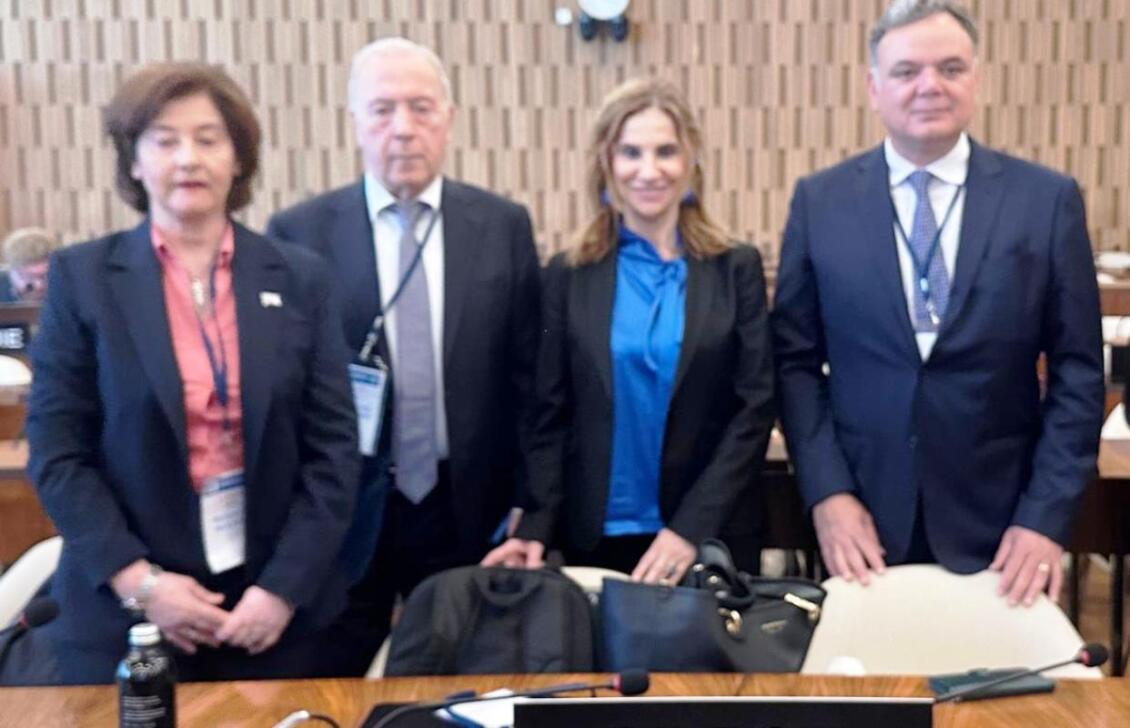
Parthenon Marbles: UK position and Turkish intervention
The United Kingdom maintained its established positions, reiterating that the marbles were legally acquired and that the current legal framework does not permit their return to Greece. The British side also argued that their display at the British Museum makes them accessible to millions of visitors annually.
However, the Greek position received warm support from the majority of Intergovernmental Committee member states, including Italy, Brazil, China, Egypt, and Poland, as well as from observer states like Cyprus, Lebanon, and Mexico. All countries called for continued efforts toward the return and reunification of the marbles in Greece.
Turkey’s renewed intervention was particularly striking, as it reiterated that no sultanic document or firman exists legitimizing the extraction of the marbles from the Parthenon and called on the United Kingdom to stop using this particular argument in international fora. The UNESCO Intergovernmental Committee ultimately adopted a new Recommendation with particularly significant references for Greece.
For the first time, it is officially recognized that the Parthenon Marbles constitute an inseparable part of Greek cultural heritage and are inextricably linked to Greek cultural identity. Additionally, UNESCO expressed deep concern that the issue has remained unresolved for decades and once again called on Greece and the United Kingdom to intensify their efforts toward a mutually acceptable solution, taking into account the historical, cultural, legal, and ethical dimensions of the case.