White smoke has emerged between the member states of the European Parliament regarding the future of trade relations between the EU and US. The diplomatic thriller that had been unfolding appears to be defusing after a series of negotiations within Strasbourg. The European Parliament and EU governments specifically reached an agreement early Wednesday morning on the terms of implementation of the so-called “Turnberry agreement,” the trade deal concluded between Brussels and Washington last summer.
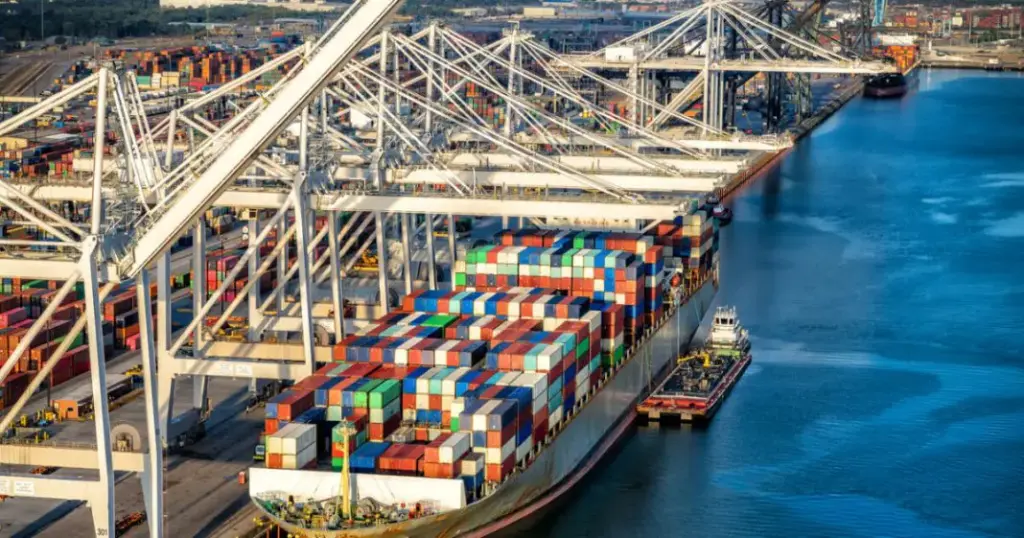
Based on the agreement, which was reached last July at US President Donald Trump’s golf course in Scotland, the EU will eliminate tariffs on hundreds of American industrial and agricultural products, in exchange for imposing a 15% tariff on most European exports to the US.
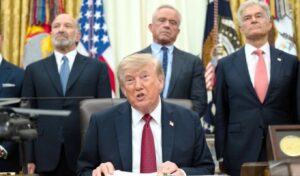
Trump recently accused Brussels of delaying the implementation of the agreement and warned that the EU must implement it by July 4, otherwise it will face new tariffs.
US & EU trade agreement: What was decided in Strasbourg
After lengthy negotiations in Strasbourg, MEPs and member states agreed to add various terms to the agreement that go beyond the original political agreement.
“I am pleased to say that we achieved a strong result with substantial impact,” EU Trade Commissioner Maros Sefcovic told reporters. The European Parliament failed to secure the so-called “sunrise clause,” which would have made the suspension of tariffs dependent on the lifting of US tariffs on steel and aluminum. EU governments opposed this measure.
Instead, negotiators agreed on a suspension mechanism that will allow the EU to reimpose tariffs if Washington is deemed to be non-compliant with the agreement.
Socialist MEP Bernd Lange, Parliament’s chief negotiator, said the US will have until the end of the year to suspend tariffs on steel and aluminum derivatives imposed after the Turnberry agreement, otherwise trade benefits may be jeopardized.
However, the suspension will not be automatic. The text simply authorizes the European Commission to propose additional legislation to halt certain trade preferences, following a political assessment by the EU’s executive power.
Sefcovic said that in upcoming talks he will emphasize to his American counterparts the importance of lifting tariffs on steel and aluminum derivatives. “We want to see that the joint declaration will be implemented fairly by both sides,” he stated.
The Council also rejected Parliament’s attempt to include threats against EU territorial integrity — such as repeated American statements about taking control of Greenland — as grounds for suspending the agreement.
The duration of the agreement
Negotiators also agreed on an expiration date of December 2029, essentially ensuring that the agreement will remain in force throughout Trump’s current presidential term, but also beyond the European elections scheduled for May of that year.
The agreement also includes a safeguard mechanism that allows the EU to reimpose tariffs if a European Commission investigation concludes that increased duty-free imports from the US harm any European economic sector.
EU ambassadors are expected to discuss the outcome of the talks later on Wednesday. Sefcovic said he will inform his American counterparts about the agreement as soon as possible.