Increased fiscal flexibility from Brussels has become an urgent necessity for the Greek government, allowing it to further strengthen support measures for households and businesses in the face of the energy crisis, which is baring its teeth with ever-greater intensity. This is because, in recent months, support has consisted primarily of pump subsidies for unleaded petrol and diesel, with heating fuel only now entering the picture mid-month.
Pressure mounts for new electricity and natural gas subsidies
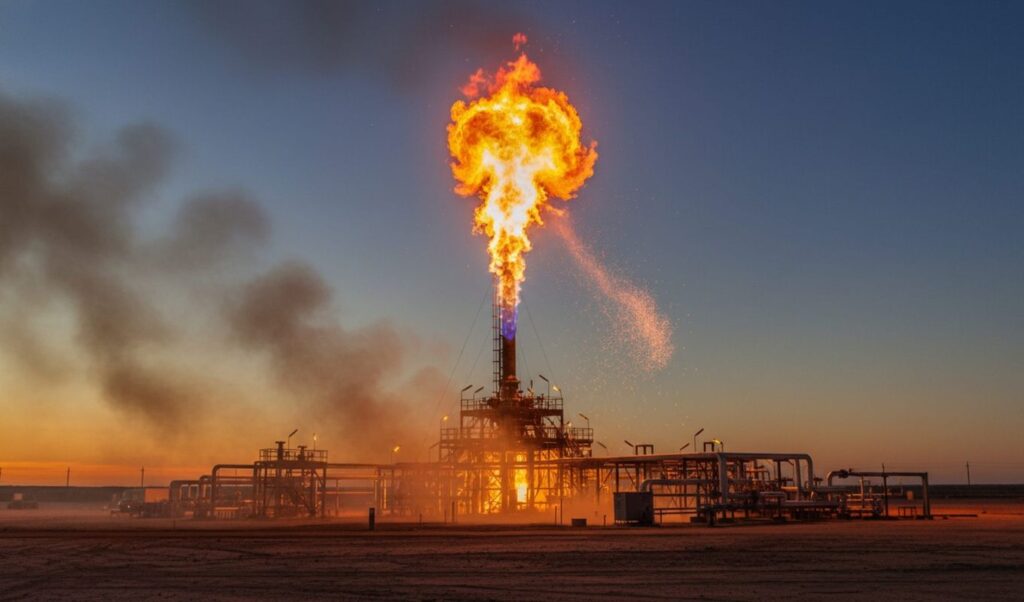
The frenzied rally in natural gas prices, which has broken through the €100/MWh barrier — reviving memories of the 2022–2023 crisis — combined with the year-high electricity prices recorded on the Energy Exchange, flirting with €300/MWh, is intensifying pressure to extend subsidies both to variable-rate electricity tariffs and to the approximately 800,000 households that use natural gas for heating but do not qualify for the enhanced energy allowance. This is an exercise that, according to government sources speaking to Parapolitika, resembles a mission impossible: under current conditions, no additional resources are available, and the coffers of the Energy Transition Fund — previously used to fund energy subsidies — are empty.
Greece’s message to Brussels
The message that European-level action is required — so that all EU member states affected by the crisis can support their households and businesses without wealthier countries enjoying an unfair advantage, as is currently the case with each country left to fend for itself — was delivered at the EU Energy Ministers’ Council on Thursday, October 29, by Greece’s Energy Minister Stavros Papastavrou.
The three “T”s
The minister called for a change in the use of resources unlocked by the approval of the energy escape clause for Greece — exceeding €1 billion for the 2026–2028 period — so that they are not exclusively channelled into long-term investments, but that a portion can be directed toward immediate action measures within the European framework of the three “T”s: “Targeted” (at vulnerable groups), “Temporary” (in duration), and “Tailored” (designed to promote cleaner energy sources).
As Minister Papastavrou stated, “We want flexibility for targeted and temporary measures within the national escape clause framework, so that we can finance energy support measures for our citizens and businesses.” Since the flexibility issue is fiscal in nature, he proposed that Energy and Finance Ministers convene jointly to examine crisis response options together, rather than operating on parallel tracks. According to reports, the idea was well received by several countries and is likely to be discussed at the November 9 Eurogroup meeting, chaired by Kyriakos Pierrakakis. However, the key question is not whether or when a joint session will take place, but whether the stars will align within the EU to approve a flexible spending framework — a challenging prospect, given that the bloc’s fiscal hawks appear to hold the upper hand, as demonstrated by the deadlock at the last EU Summit on the 2028–2034 budget.
Current subsidies
While the outcome of the “flexibility battle” remains to be seen, the government will continue its short-term support on a two-week rolling basis, with the focus firmly on fuel subsidies. The scheme in place for October 15–31 is being renewed for November 1–15:
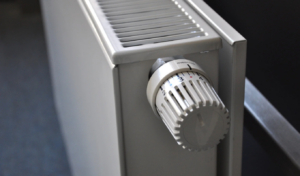
- A pump subsidy of €0.40/litre for heating oil (€0.20 from the state budget and €0.20 from refineries). Based on the latest price surveys, the national average stands at €1.56/litre, with large orders yet to be placed.
- A pump subsidy of €0.20/litre for diesel (€0.15 from the budget and €0.05 from refineries), with the average price currently at €2.13/litre.
- A pump subsidy of €0.10/litre for unleaded petrol, funded entirely from the state budget, with the average price also at €2.13/litre.
Waiting for relief
The new support package will include no additional measures for either electricity or natural gas — and this at a time when households on variable-rate electricity tariffs are facing increases. Green tariff holders (over 3 million households, or 52% of the total) and yellow tariff holders (another 1 million households) are already seeing wholesale prices rise by 25% month-on-month as October draws to a close, with energy providers having already warned that at least part of this cost will be passed on to retail bills. At the same time, charges on new retail natural gas tariffs are shaping up to be at least double last year’s levels.
In other words, all signs point to a harsh energy winter — one that can only be averted if fiscal flexibility, should it be granted, is combined with a de-escalation of geopolitical tensions and, perhaps, a helping hand from milder weather.
*Originally published in Parapolitika