The International Monetary Fund is projecting lower growth, higher inflation, and a faster decline in unemployment for the Greek economy, highlighting the impact of the ongoing energy crisis on the country’s economic outlook. On the growth front, the IMF sets the bar at 1.8% for both 2026 and 2027. These estimates fall short of the targets set by the Greek government in its draft 2027 Budget, which projects a growth rate of 2% this year and 2.3% the following year. The gap underscores the risks facing the Greek economy from rising energy prices, weakening external demand, and their ripple effects on consumption and tourism.
IMF warns of inflation pressures on the Greek economy
The biggest concern lies in the trajectory of prices. The IMF estimates that inflation in Greece will rise to 4.2% in 2026, up from 2.9% in 2025, as energy price increases gradually feed through to the broader economy, weighing on both businesses and consumers. For 2027, it expects inflation to ease to 3.6%, though pressure on purchasing power is not expected to disappear entirely.
The Greek government’s economic team, however, strikes a more optimistic tone. The draft Budget projects that national inflation will be contained at 3.8% this year before falling to 2.6% in 2027. For the harmonized index — which allows comparisons across European Union member states — the corresponding estimates stand at 3.6% and 2.4%.
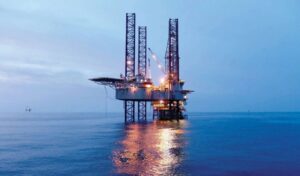
The divergence between these forecasts takes on added significance, as the duration of the energy crisis will largely determine how prices evolve and how extensive any additional support measures will need to be. On Wednesday, the government is expected to unveil its first package of interventions, including subsidies on heating oil and diesel, aimed at easing the burden on households and professionals. Brent crude moved above $106 per barrel on Tuesday, fueling concerns over further fuel price increases and their broader knock-on effects across the market.
Unemployment outlook
On a more positive note, the IMF is more optimistic about the labor market. It projects unemployment will fall to 8% in 2026 and 7.6% in 2027, compared to the government’s estimates of 8.4% and 7.9% respectively. If confirmed, this would represent a welcome development for employment, though it would not automatically offset the loss of purchasing power caused by rising prices.
These projections are being presented in the context of the annual IMF and World Bank meetings in Bangkok, Thailand, running from October 12 to 18. Greece’s Minister of National Economy and Finance and Eurogroup President, Kyriakos Pierrakakis, is attending the sessions at a time when energy security, fiscal resilience, and global growth prospects are high on the agenda of international discussions.