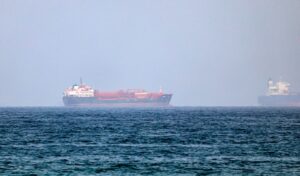
Energy is paying a heavy price from the escalation of the war in the Middle East, with the European Union recording additional costs exceeding €47 billion in fossil fuel imports within just ten days. Despite the fact that no supply problems have been recorded, the impacts are already reflected in market prices. The European Commission warns that any prolongation of the crisis and new tensions in the Strait of Hormuz could cause even greater disruptions.
War and energy costs
The cost of fossil fuel imports to the European Union has increased by more than €47 billion within the last 10 days, European Commission spokesperson Eva Hrncirova said on Monday, responding to a question about the 100 days that are completed today since the start of the war in the Middle East. As she added, this represents a significant economic cost burdening the EU “without a single additional molecule of energy being added to the system.”
She emphasized that no interruptions in energy supply have occurred and that supply security remains guaranteed, with the main impact of the crisis being recorded in energy prices. As Eva Hrncirova characteristically noted, “the European Union is facing primarily a price shock today and not an energy availability problem.” At the same time, she warned that if the crisis and tensions around the Strait of Hormuz continue, the EU may face additional difficulties in the coming weeks or months.