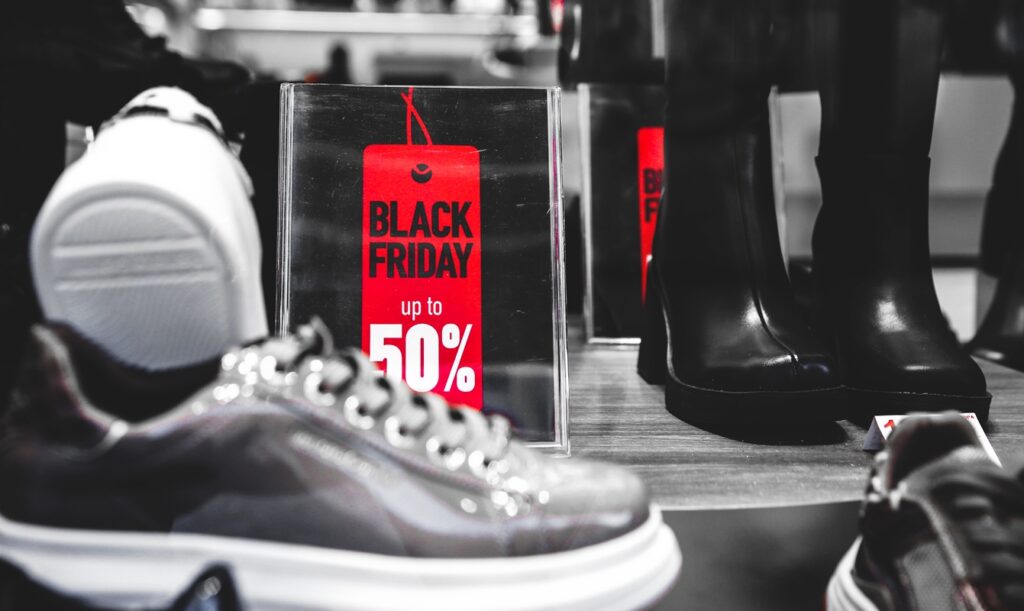
The Independent Market Control and Consumer Protection Authority is sounding the alarm about misleading discounts, hidden charges, and online scams ahead of Black Friday 2026, issuing 12 essential tips for safe shopping — both in-store and online. With monitoring of the online marketplace already underway, the Authority warns that even an impressive 40% discount can turn out to be misleading if shoppers haven’t first verified the actual original price and compared it against other offers. The Authority also urges consumers to watch out for high-pressure tactics that push them into rushed purchases, extra charges that appear only at checkout, and online transactions with unknown sellers.
Read also: Black Friday 2026: How stores will operate on Sunday, November 29 — and which traps consumers should avoid
The 12 tips from the Authority for Black Friday
Ahead of Black Friday, the Independent Market Control and Consumer Protection Authority is already monitoring the online marketplace. As stated in its official announcement, the Authority’s inspections are focusing on misleading discounts, charges that aren’t disclosed upfront, and practices that pressure consumers into impulse buying. For safer shopping, the Authority recommends the following 12 tips.
Start with what you actually need
Before browsing deals, write down exactly what you want to buy and how much you’re willing to spend.
Check what price the discount is calculated from
As a general rule, when a retailer announces a price reduction, it must display as the reference price the lowest price at which it sold that product in the previous 30 days. The manufacturer’s “recommended retail price” does not tell you what the store was actually charging.
Compare the exact same product
Check how much the same item costs at other retailers. Verify the model number, storage capacity, what’s included in the packaging, and whether the product is brand new or refurbished.
Take your time
Before hitting “buy” because you see “last items in stock” or a countdown timer, verify the price and availability. If the timer resets and starts over, that’s another reason not to rush.
Find out who the seller is
Look up the company’s name, registered address, and valid contact details. A website written in your language doesn’t necessarily mean the store is based in your country. If you found the offer on social media (Instagram, Facebook, TikTok, etc.) and cannot verify who is selling the product or how to contact them, do not proceed with the purchase.
Access the store directly through its own address
If a tempting offer arrives via SMS or email, type the store’s web address yourself. A familiar logo can easily be copied and used in phishing scams.
See exactly what you’ll pay at checkout
Check shipping costs and any additional fees. Before completing your purchase, make sure no insurance policy, subscription, or service you didn’t choose has been added to your cart.
If buying in installments or with deferred payment, calculate the total cost
Check how many installments there are, when they end, and how much you’ll have paid in total — including any interest or fees.
Before approving payment, verify the amount and the recipient
Never share your banking credentials or one-time passwords with anyone. If an unfamiliar store only accepts bank transfers, carefully verify their details before sending any money. If you suspect fraud, contact your bank immediately. If you notice a charge you didn’t authorize, request instructions on how to dispute it in writing.
Check delivery times and return policies
Find out where the product ships from and who covers return shipping costs. A lower price may not be worth it if you end up having to return the item internationally.
Know the difference between changing your mind and a defective product
For most online purchases from professional sellers, you have 14 days from delivery to notify the seller that you’re withdrawing from the purchase — no explanation required. This right of withdrawal applies to distance and online contracts. There are exceptions, such as products made to order specifically for you. In physical stores, returns due to a change of mind depend on the store’s own policy. However, if a product is defective, your legal rights apply regardless of whether you bought it at a discount.
Keep the offer details and your receipt
Save your receipt and order confirmation. Also keep a screenshot of the offer showing the price and terms. If a problem arises, contact the seller in writing.
The Authority reminds all businesses that discount announcements must be genuine, clear, transparent, and accurate. Fictitious price reductions, false urgency tactics, and charges applied without explicit consent are all in violation of consumer protection obligations.
To file an online complaint, the Authority directs consumers to visit: kataggelies.mindev.gov.gr and 1520.gr.