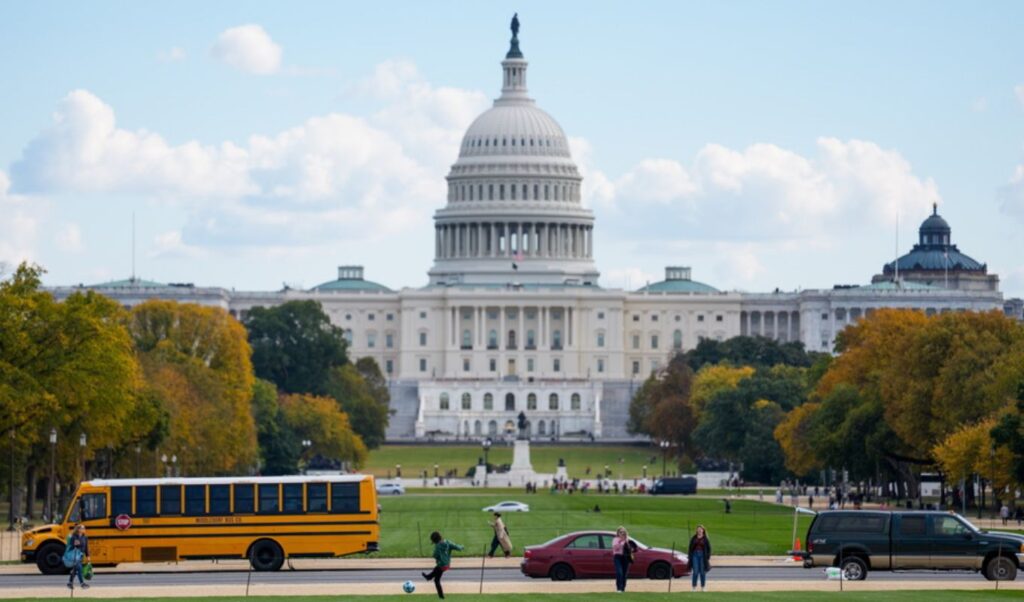
Critical ballots are being cast across the United States on November 3, with the midterm elections potentially reshaping the remainder of Trump’s presidency. These elections serve as a referendum on his administration and a contest for control of Congress — one that could signal the arrival of a “blue wave.” While the process is complex — with all 435 House seats, 35 Senate seats (33 regular plus 2 special elections in Florida and Ohio due to early departures from office), and 36 gubernatorial races up for grabs — attention remains focused primarily at the federal level. Certain key states and individual congressional districts stand out as bellwethers for what could unfold nationwide, both in the House and the Senate.
Read also: US Midterm Elections: Who are the Greek-American candidates running for Congress?
US midterm elections: What the polls are showing
Against this backdrop, the balance of power remains razor-thin. In the House, Republicans hold a slim majority of 218 seats to Democrats’ 214, while in the Senate the margin is 53 to 47. A net gain of just four seats in either chamber would hand Democrats control. Meanwhile, polling data clearly illustrates the headwinds facing Republicans — and explains why Trump himself has been out on the campaign trail, even in traditionally safe Republican strongholds, working to drive conservative turnout.
The NBC News polling average (through October 30) on the question “Which party do you want to control Congress?” shows Democrats leading by 8 points — 52% to 44%. According to RealClearPolitics, this 8-point Democratic advantage is the largest recorded over the past year, derived from an average of polls conducted ahead of Tuesday’s vote.
The key states — where the Senate battle will be decided
Attention is now turning to specific high-stakes contests. As is typical, many races appear to have foregone conclusions — Reuters estimates that only 40 to 50 House seats feature genuinely competitive races. In the Senate, however, Democrats are threatening to shatter records that have stood for decades by winning seats that once seemed all but out of reach. Analysts and international media are zeroing in on the following states:
Alaska: The candidates with the same name and the federal investigation
This reliably Republican “red” state could flip “blue.” Republican incumbent Senator Dan Sullivan faces Democratic challenger Mary Peltola, a former congresswoman — but also an independent candidate who happens to share the exact same name: Dan Sullivan. Republicans and Trump allege this is a deliberate scheme to confuse voters, and the Justice Department has already issued subpoenas to investigate the race. The New York Times reported that Peltola’s campaign team was involved in recruiting Dan J. Sullivan — a retired teacher mockingly dubbed “Decoy Dan” — into the Senate race. The DOJ has also filed a motion requesting that election results not be certified should Republican Dan Sullivan lose by a narrow margin. Polls currently show Peltola ahead of the incumbent Sullivan in a state Trump carried by 13 points two years ago, with the cost of living emerging as a decisive issue in the campaign.

In the post referenced below, the incumbent senator appears on the right, while his namesake — the retired teacher known as “Decoy Dan” — appears on the left.
BREAKING: Trump administration sues to block Alaska Senate certification if Republican Sen. Dan Sullivan loses in November. https://t.co/OwvLbO3Jgw
— NBC News (@NBCNews) October 23, 2026
Michigan: The race to elect America’s first Muslim senator
Michigan is shaping up to be one of the most consequential Senate battlegrounds in the entire country this cycle — a state Democrats likely must win to reclaim control of the chamber, and a critical test of whether the party’s progressive wing can resonate with Midwestern voters. It is also a presidential battleground state that has been gradually slipping away from Democrats since Trump’s rise. As the Washington Post notes, Michigan was considered part of the “blue wall” in presidential elections until Trump came along, narrowly carrying the state in both 2016 and 2024, in part by successfully courting its working-class voters.
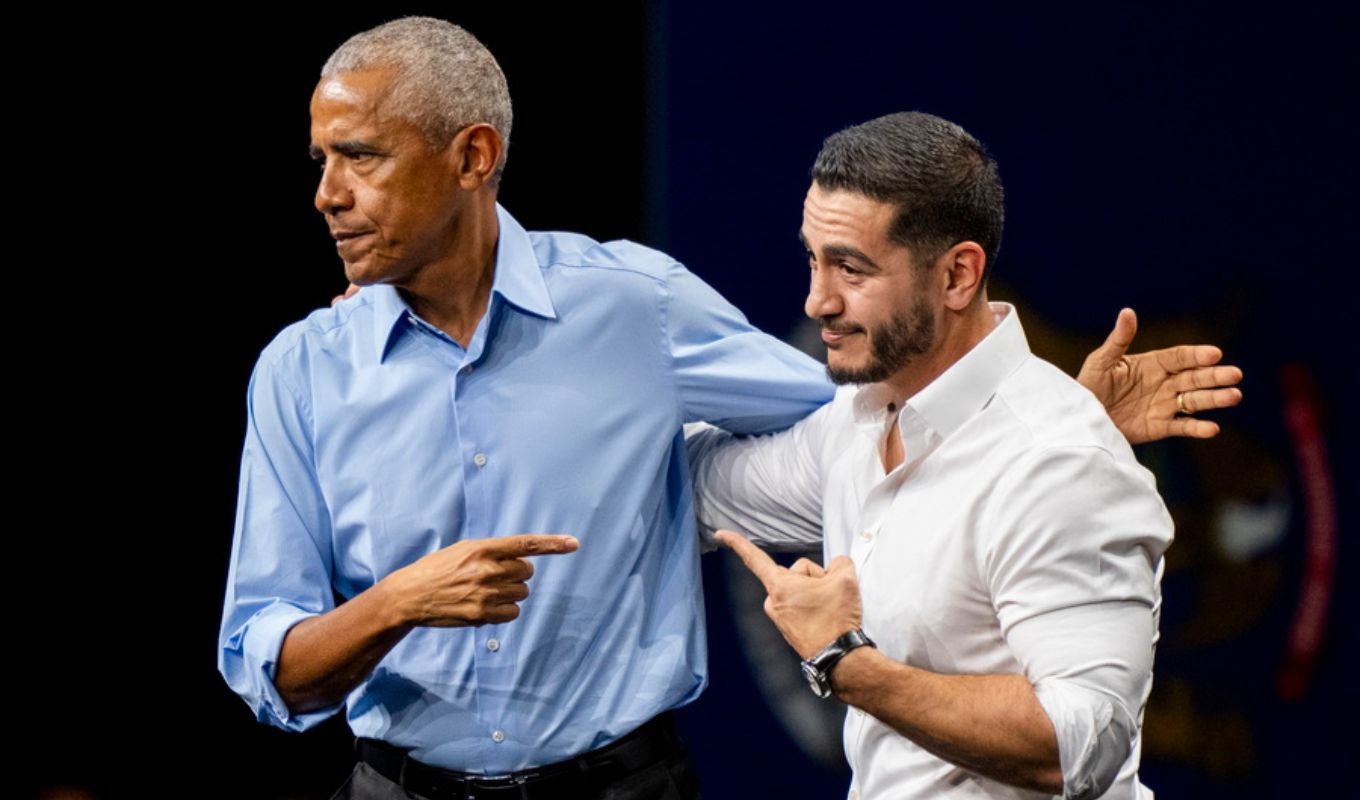
The Democratic candidate is Abdul El-Sayed, a physician and son of Egyptian immigrants. Should he defeat Republican Mike Rogers — who narrowly lost in 2024 despite a strong Republican performance nationally — El-Sayed would become the first Muslim senator in United States history. Trump’s derogatory remarks about El-Sayed have repeatedly dominated headlines, while the candidate’s stance on Israel — describing the situation in Gaza as “genocide” and calling for a halt to US military aid — has also generated significant public debate.
Maine: A race that looks like a Republican loss — and the debate moment that could change everything
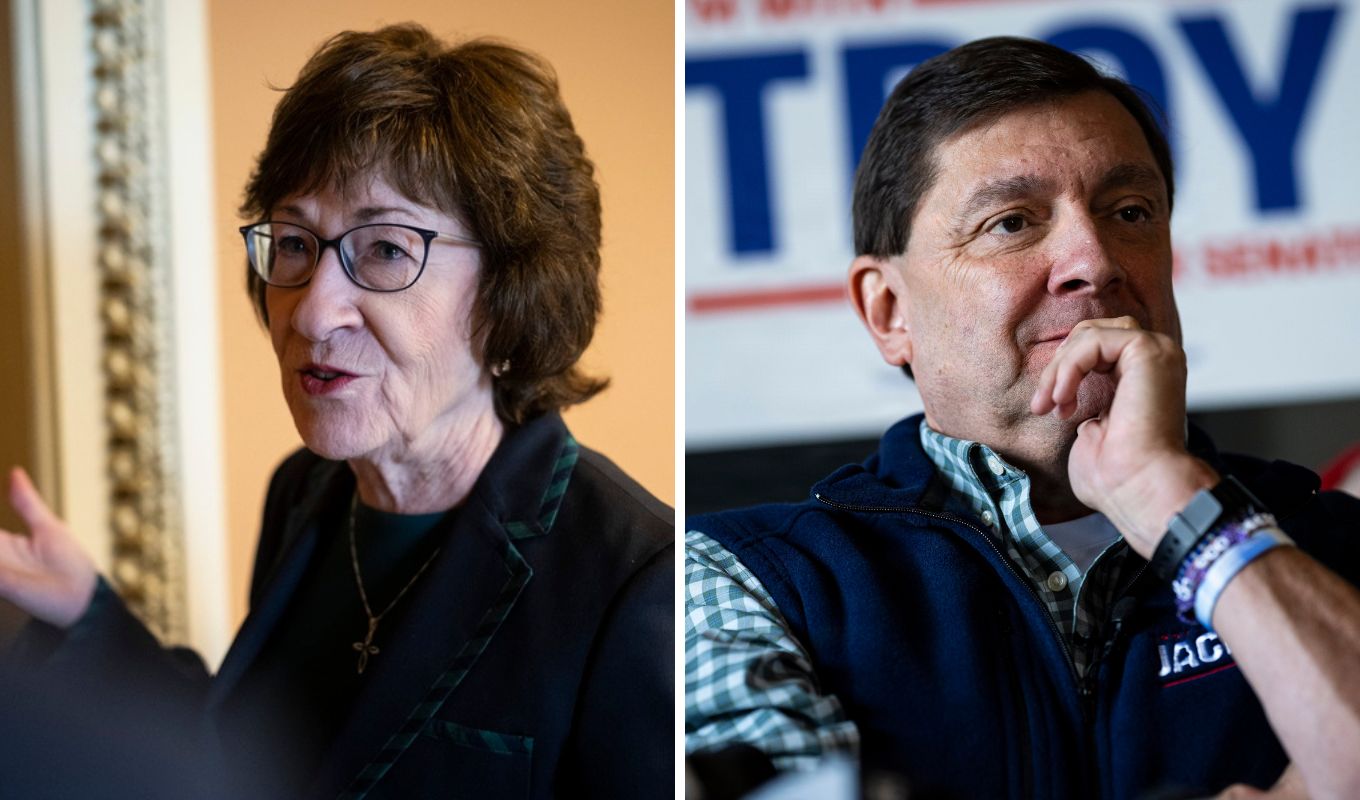
Maine, in the northeast, represents one of the Democrats’ best opportunities to flip a Senate seat. Republican Senator Susan Collins faces a tough re-election fight in a state that voted against Donald Trump in 2024. Collins is up against Democrat Troy Jackson, the former Maine Senate President, who entered the race in July after the party’s original nominee, Graham Platner, withdrew following sexual assault allegations — which he denied.
Collins is not among Trump’s favored candidates, and he declined to hold a rally in Maine. However, she holds a key card: an exemption from tariffs on Canadian goods that are vital to the state’s agricultural industry. That same economic issue — and specifically the tariff question — is also central to Jackson’s campaign, and he holds a slim lead in most polls. A blemish on his campaign, however, is his “shut up” remark directed at Collins during a debate, and whether that moment will prove consequential on election day remains to be seen.
Ohio: The Rust Belt swings toward Democrats
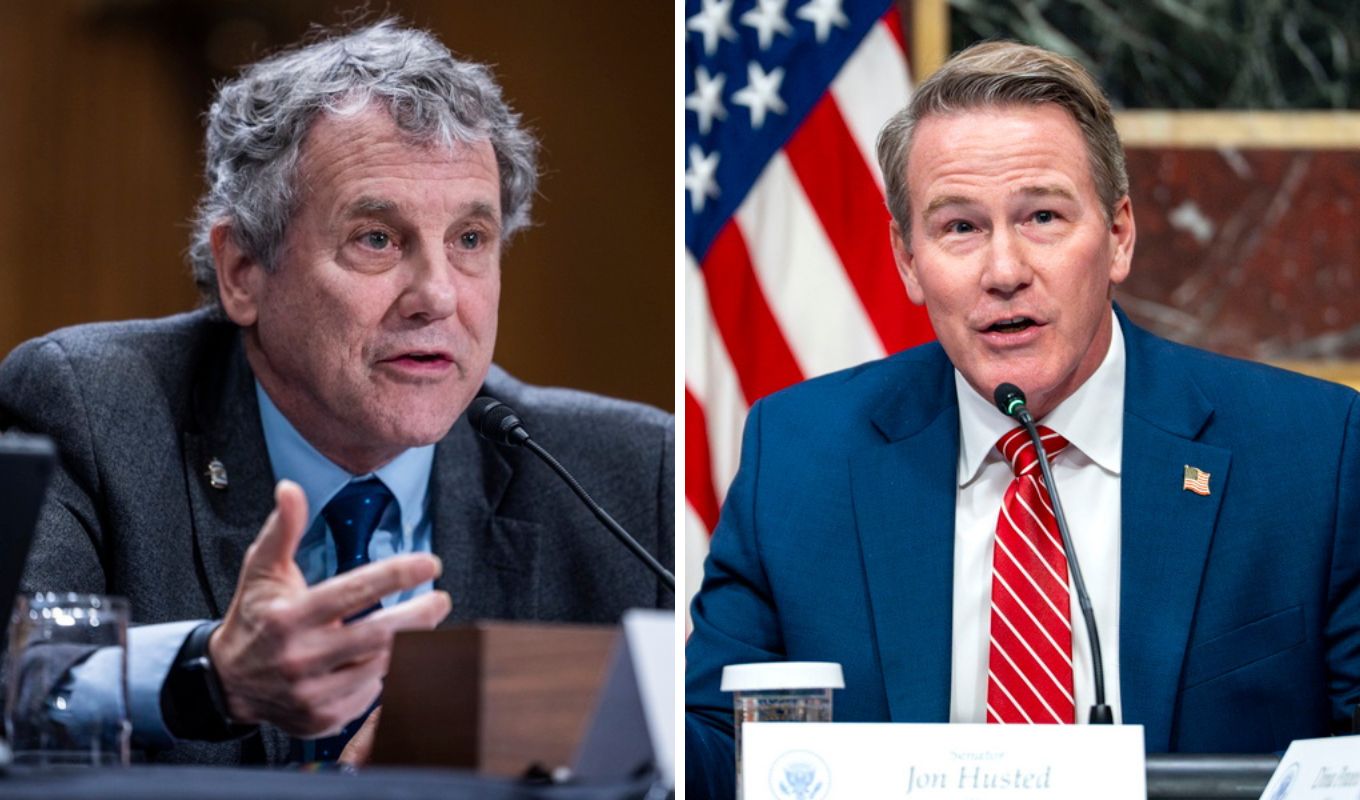
Returning to the Rust Belt — and its heartland, Ohio — Democrat Sherrod Brown, a longtime champion of the state’s unions and working-class communities, is seeking to win back voters in a state that JD Vance carried two years ago. When Vance assumed the vice presidency, he vacated his Senate seat, triggering a special election.
The veteran senator Brown — who served three terms before losing to the current vice president in 2024 — now faces appointed incumbent Senator Jon Husted, who was installed to fill Vance’s seat. The cost of living has emerged as the central campaign issue, mirroring the national conversation. The winner of this special election will serve out the remainder of Vance’s term and may run again in 2028 for a full six-year term.
The big upset in Texas — Talarico on the verge of breaking a 32-year losing streak
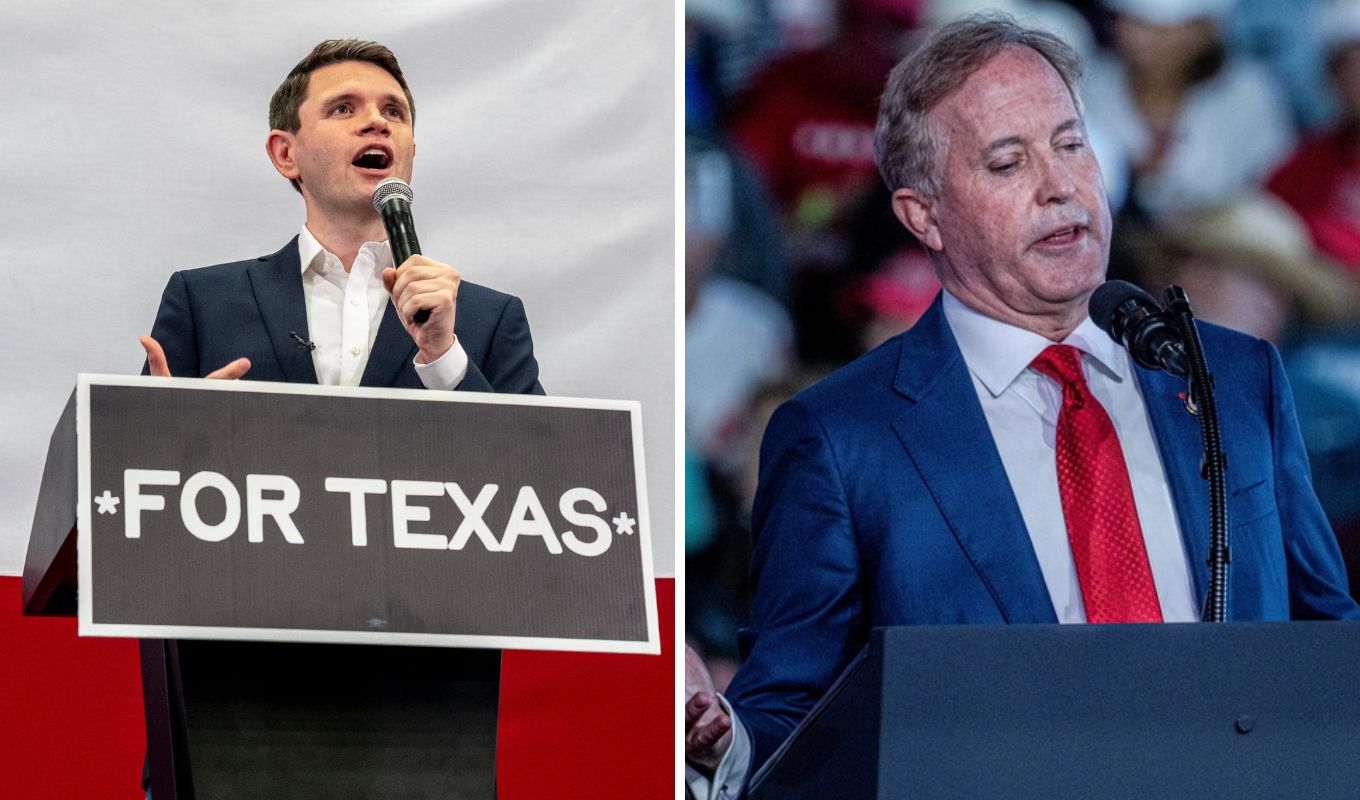
The Texas race has also captured the national spotlight. No Democrat has won federal office in the state since 1994 — but 37-year-old James Talarico, a state House member, could break that streak. The relative political unknown — even Obama once mixed up his name, despite having identified him as a rising star — is taking on scandal-plagued Republican Attorney General Ken Paxton in a state Trump carried by nearly 14 points in the 2024 presidential election.
Elon Musk took a personal interest in the race, pouring $158 million into backing Paxton’s candidacy. Yet polls suggest the outcome is far from certain for Paxton. Talarico, who prominently highlights his Christian faith and his family’s roots in ministry, is polling either slightly ahead of or tied with his opponent.
The House of Representatives: How redistricting could be both a key advantage and a major backfire
Turning to the House of Representatives, competitive races are spread across dozens of districts — and one factor looming large over many of them is redistricting. In the United States, electoral district boundaries are frequently redrawn not on the basis of population alone, as would be standard practice, but to serve the partisan interests of those in power. This practice is known as gerrymandering — a term that combines the name of Massachusetts Governor Elbridge Gerry with the word “salamander.” In 1812, Gerry signed a law redrawing district boundaries to benefit the Democratic-Republican Party over the Federalists. One of the newly drawn districts had such an unusually elongated shape that it resembled a salamander. A cartoonist at the Boston Gazette added wings and claws to the district’s outline, creating the famous caricature that gave birth to the term (Gerry + salamander = Gerrymander).
In this cycle, and based on the expanded authority to redraw district lines — which does not necessarily require a decade to have passed or a new census to have been conducted — Trump pushed Republican-controlled states (Texas, Florida, North Carolina, Tennessee, and Ohio) to voluntarily remap their electoral districts. This, in turn, prompted Democrats to do the same in states they control, such as California. However, the strategy risks backfiring: In Texas, for example, the newly drawn boundaries of the 35th Congressional District created a voter pool that is predominantly white and Hispanic. Yet both of those voter groups now appear deeply dissatisfied — with Hispanic voters in particular disapproving of the Trump presidency at a rate of 66%, according to the Cook Political Report.