Tax fraud networks use three different tricks to conceal sales and report lower turnover than their actual revenue, according to findings from tax audits. From fake receipts that are never recorded in a business’s electronic books, to mass transaction cancellations and illegal software that manipulates sales data, the practice of hiding real turnover remains widespread.
The third method is currently at the center of attention following the Pizza Fan case, which has been under investigation since 2022 for an alleged €25 million tax evasion scheme. The company is accused of using software that manipulated transaction data and concealed a portion of its actual turnover, resulting in artificially lower reported sales and unpaid VAT obligations.
The case highlights the growing challenges facing tax authorities when fraud goes beyond simply not issuing receipts and extends to the electronic sales recording systems themselves. To detect such practices, Greece’s Independent Authority for Public Revenue (AADE) cross-references digital files from fiscal mechanisms with data transmitted to the myDATA platform, looking for discrepancies that may reveal hidden taxable income.
Based on tax audit findings, there are three main tricks that fraud networks use to evade income tax and pocket VAT:
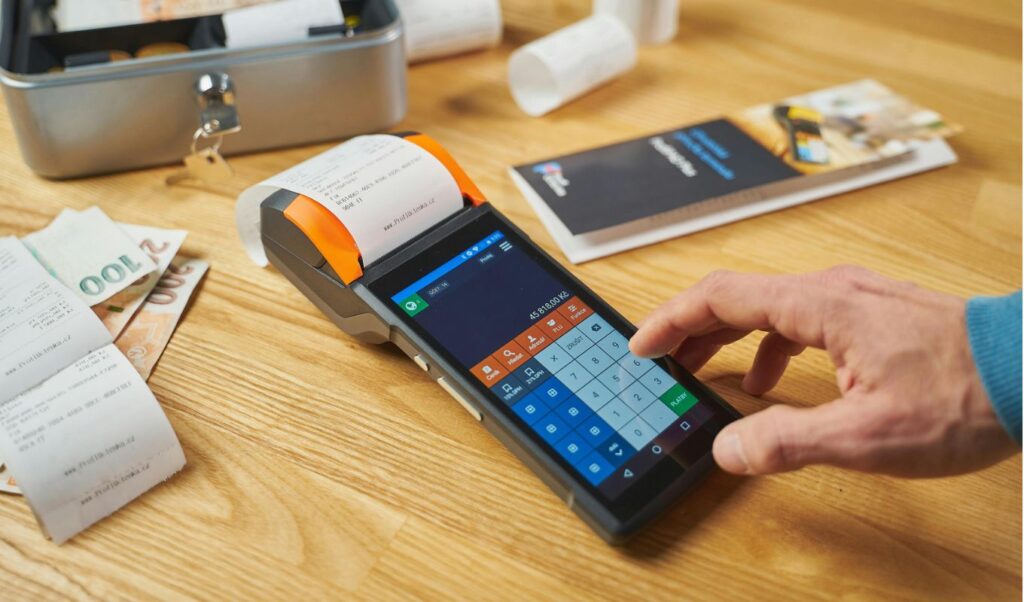
- Fake cash registers: The first method involves using computers and specialized software to generate and print documents that look like legitimate receipts but have not been issued by an approved fiscal device. The customer receives what appears to be a valid receipt, without necessarily knowing it holds no legal standing. The transaction is never recorded properly in the business’s accounting system, meaning the corresponding revenue is kept off tax returns entirely. As a result, the state loses both income tax and VAT revenue, while customers are misled into believing they have received a legitimate receipt.
- Order slips and mass cancellations: The second method exploits legitimate fiscal mechanisms in an abusive way. A business may issue order slips without following up with a corresponding receipt of equal value, or record mass transaction cancellations and discounts that cannot be justified by actual commercial activity. Particular red flags include a large number of cancellation slips recorded at the end of the day or unusually high discount values. While these actions do not prove tax evasion on their own, they serve as indicators that warrant further investigation. To identify potential violations, auditors examine digital files from fiscal devices, analyzing the frequency, value, and timing of issued documents, cancellations, and discounts. Cross-referencing this data can reveal discrepancies and help identify income that may not have been declared.
- Illegal software: The third method is particularly sophisticated, as receipts may be issued normally while the manipulation of data occurs at a later stage. Illegal software can interfere with transaction data, altering quantities, values, or product types that have already been recorded, with the aim of reporting lower turnover than what actually occurred. In these cases, the printed receipt does not necessarily reveal the extent of the tampering. Auditors must examine digital files and fiscal device data to determine whether alterations have been made and to reconstruct the true picture of a business’s sales.
The common thread running through all three methods is the attempt to report less revenue than what was actually generated. To detect these practices, AADE combines digital records from fiscal mechanisms with data transmitted to myDATA and findings from on-site inspections. Cross-referencing data from POS terminals and cash registers, together with analysis of electronic files, can reveal unusual cancellations, discounts, and discrepancies in recorded sales.
The “Appodixi” app
The AADE’s “Appodixi” app also plays a significant role in uncovering tax violations, allowing citizens themselves to verify the receipts they receive and report potential irregularities to tax authorities. By scanning the QR code on a receipt with their smartphone, users can check the receipt’s details and confirm whether it has been transmitted to AADE. If, for example, a receipt shows a value of €50 but the app displays a different amount — or indicates that the receipt was never transmitted — the consumer can file a complaint, giving tax inspectors an additional lead to investigate.
According to the latest AADE figures, complaints through the app have exceeded 225,000 in total, of which approximately 102,000 are named and 123,000 are anonymous. The vast majority of receipts scanned by citizens involve documents from tampered fiscal devices, fake receipts, and violations related to failure to transmit data to myDATA. The sectors with the highest complaint rates are food and beverage businesses — including cafés, bars, and restaurants — and fuel stations.