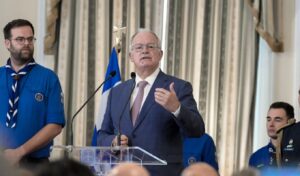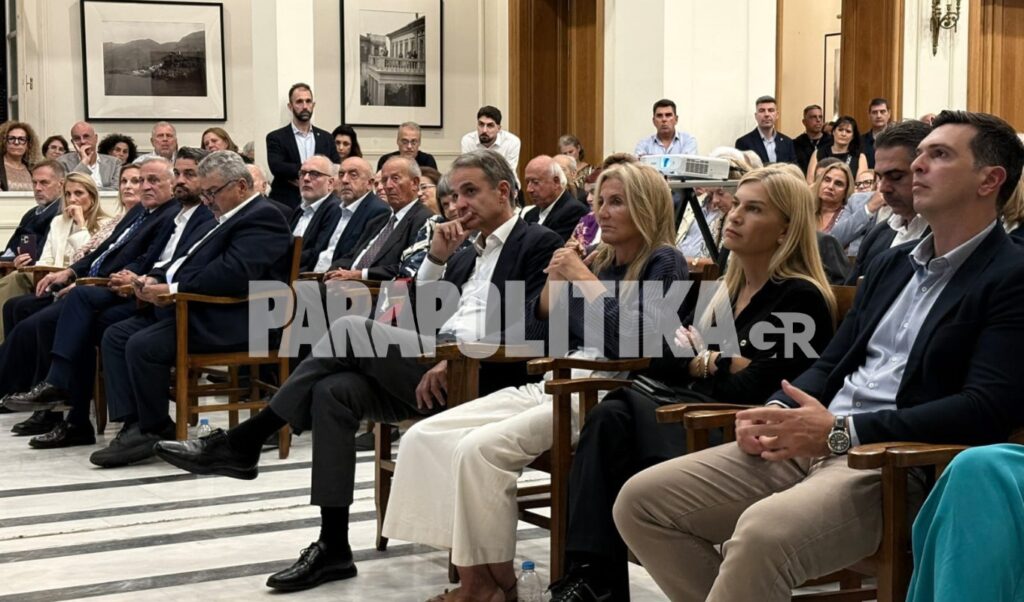
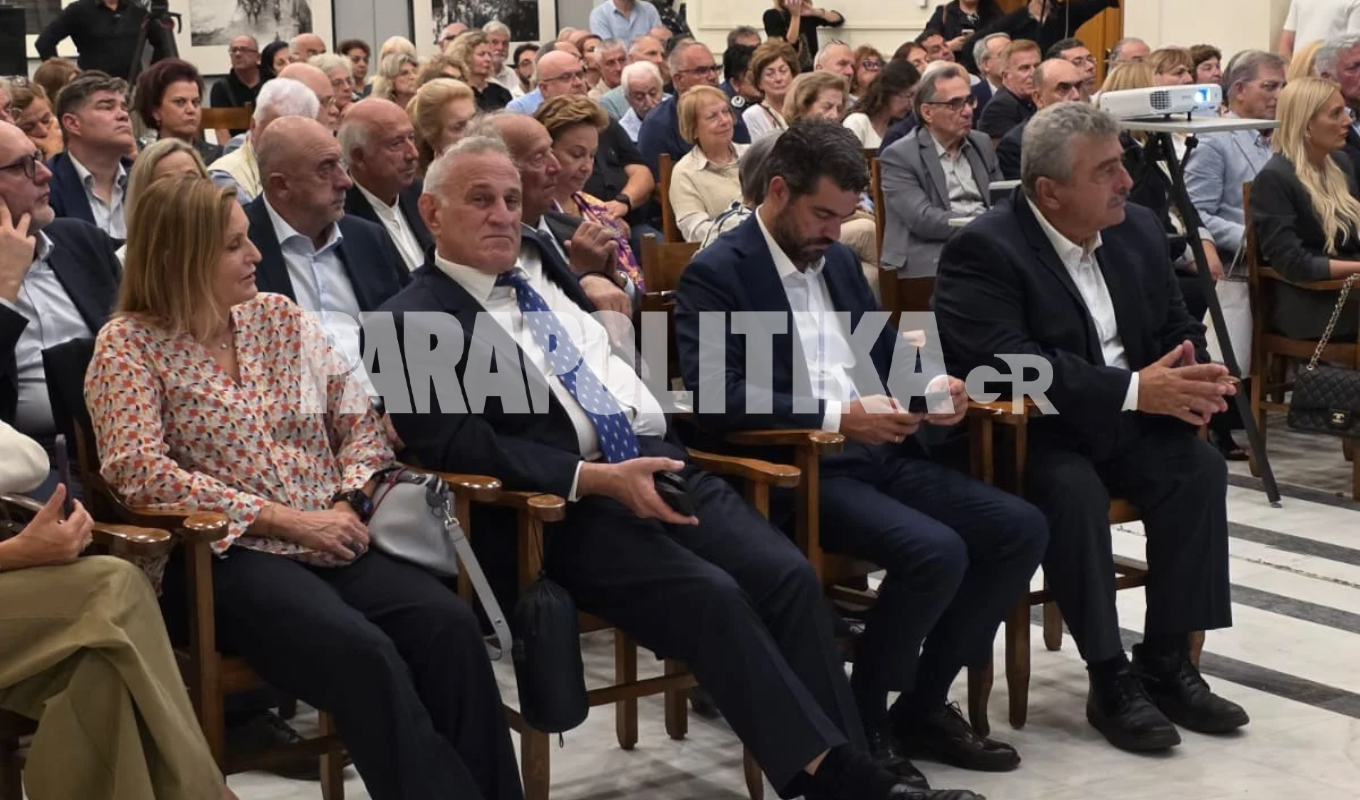
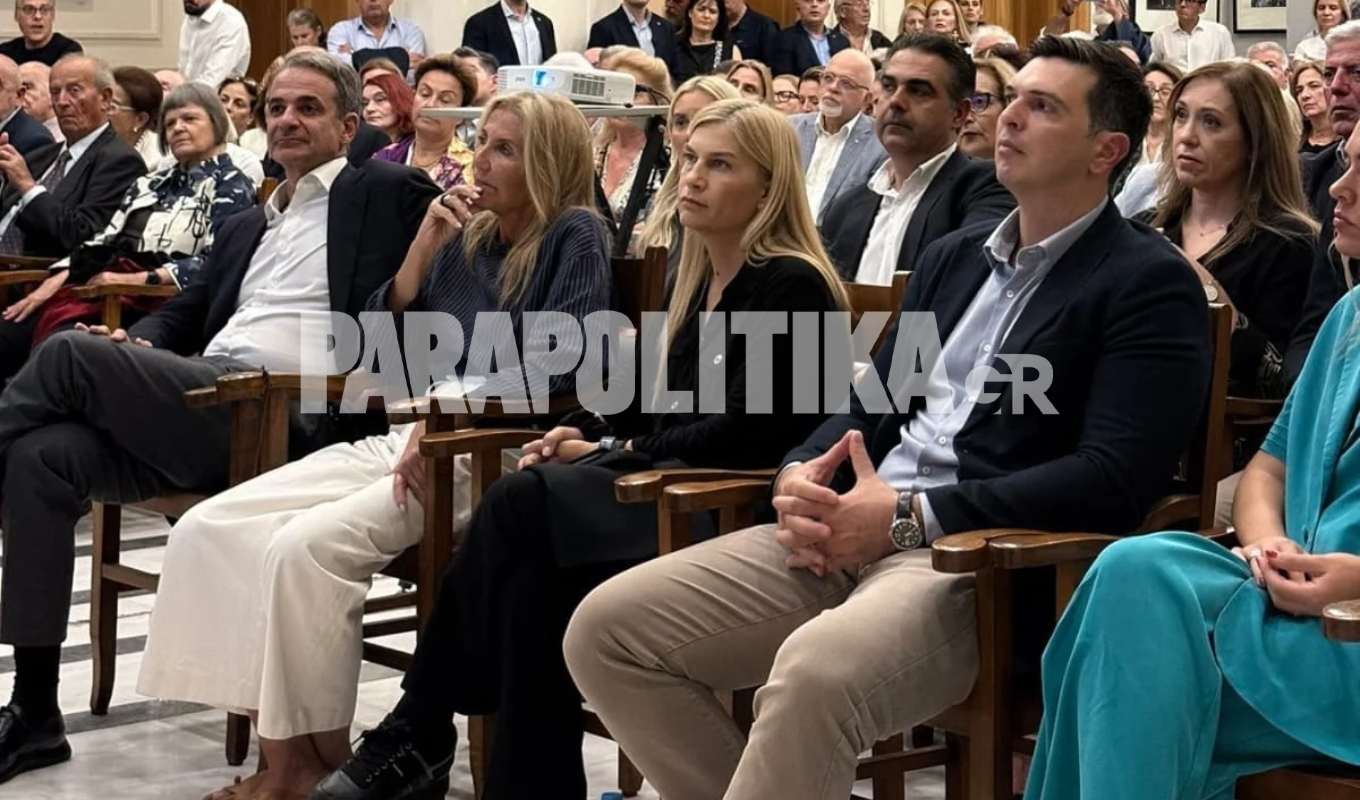
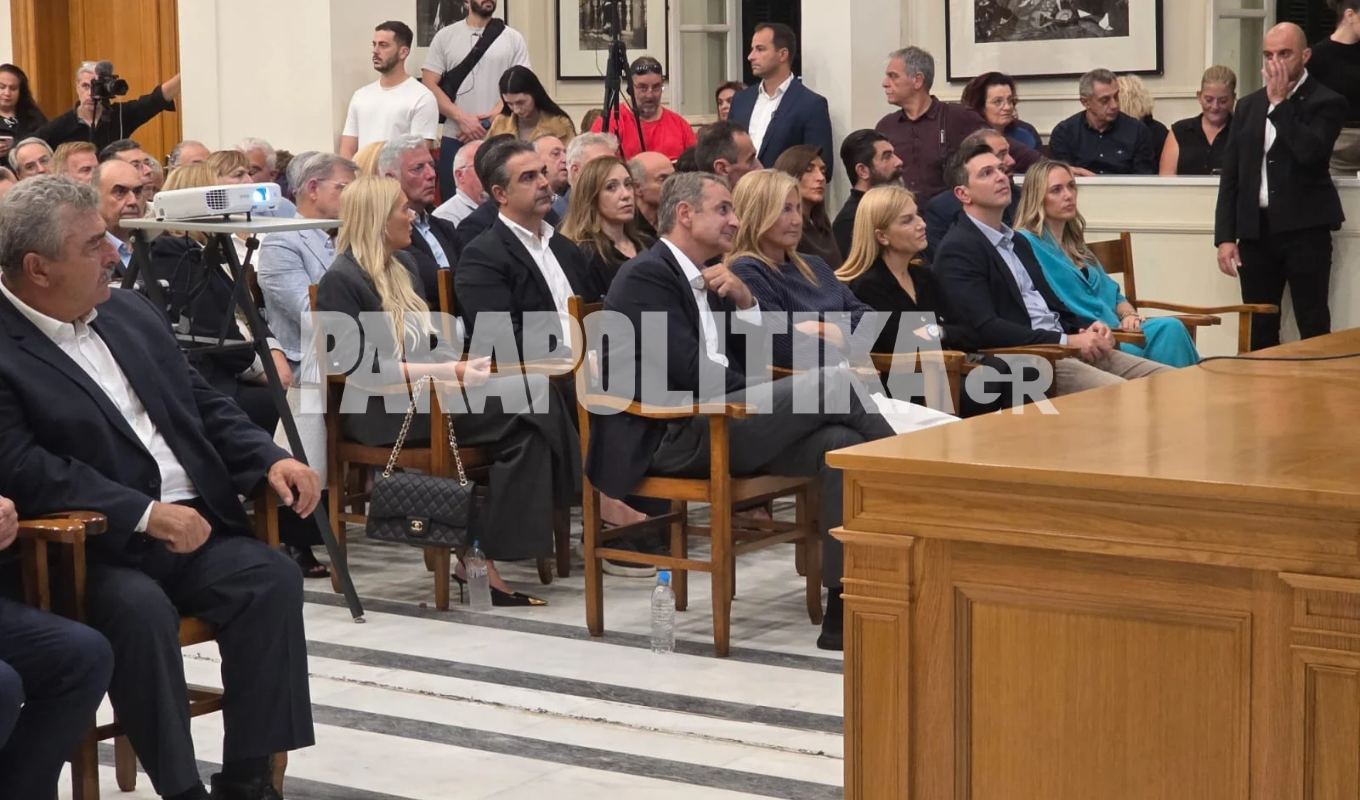
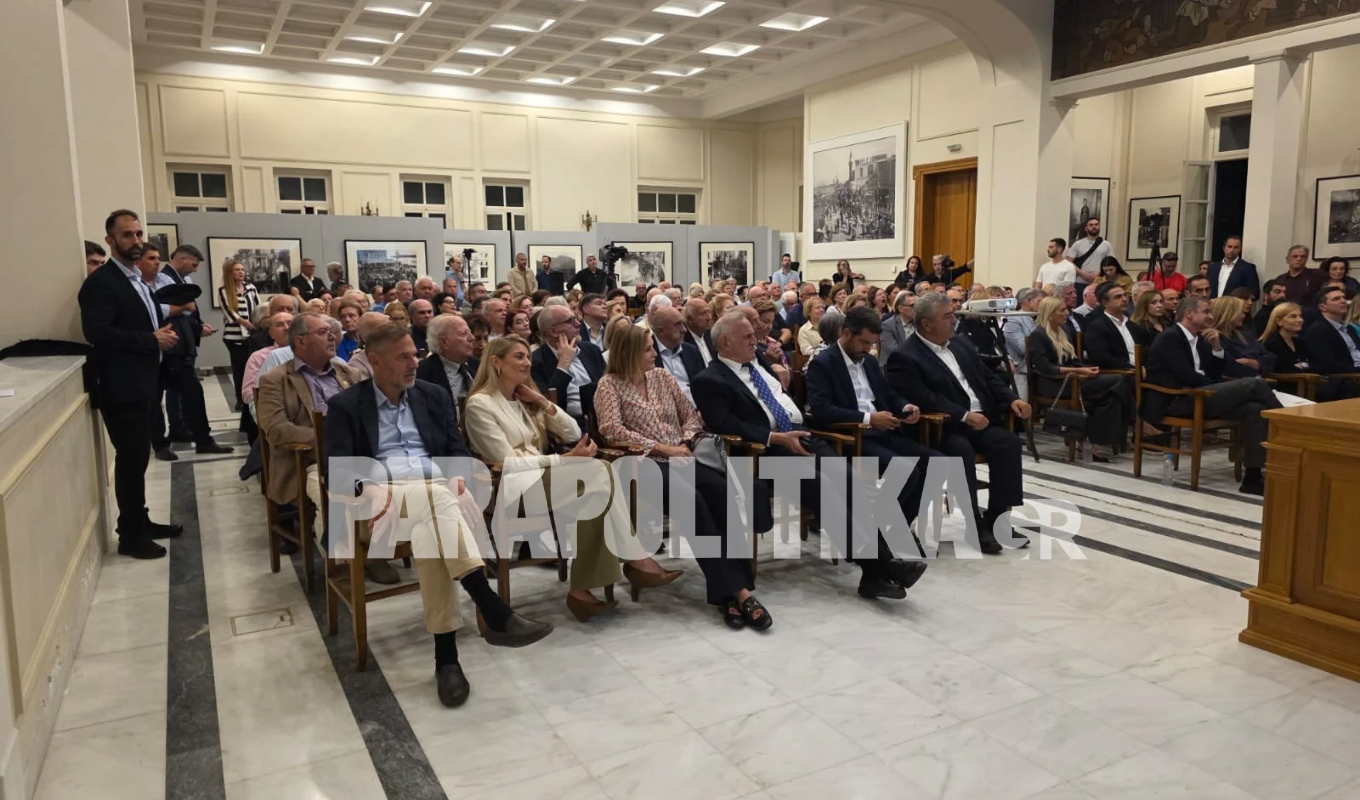
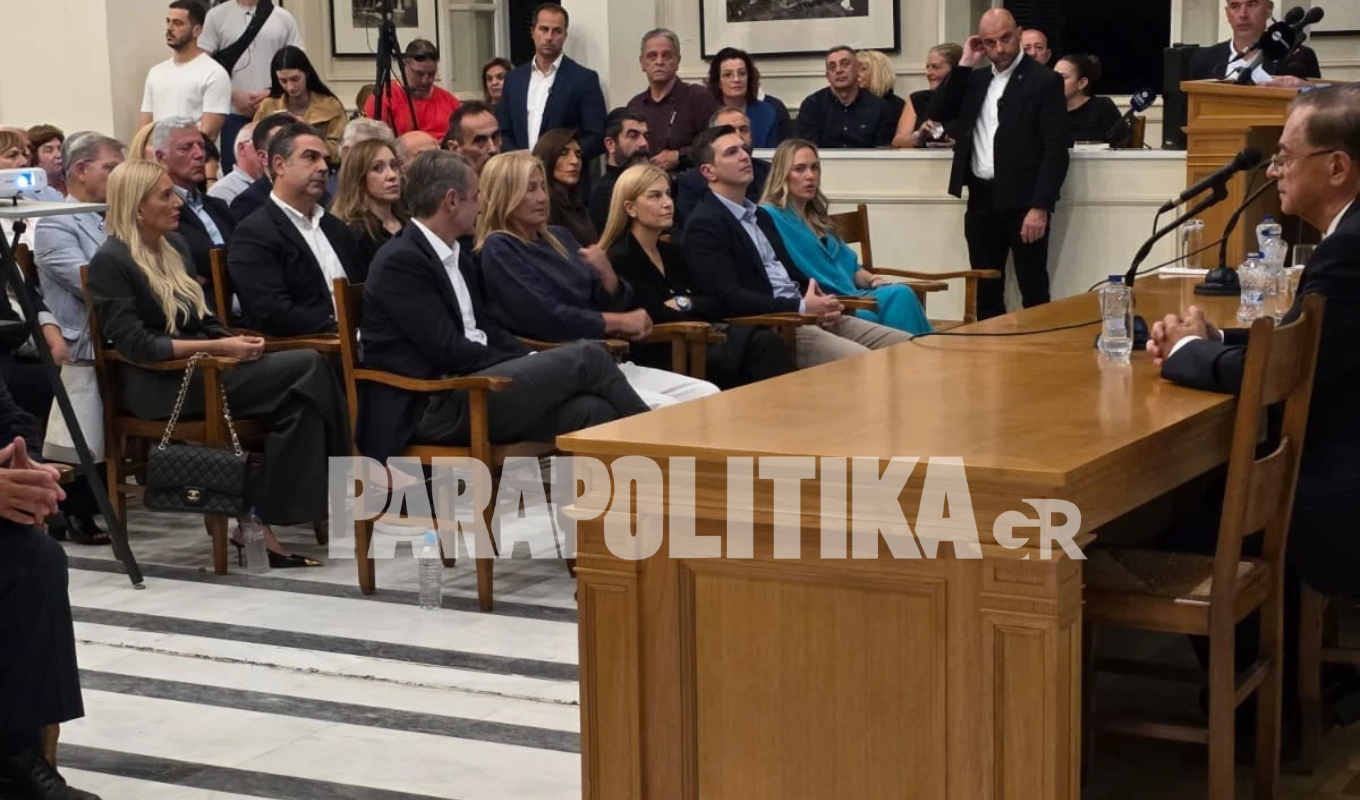
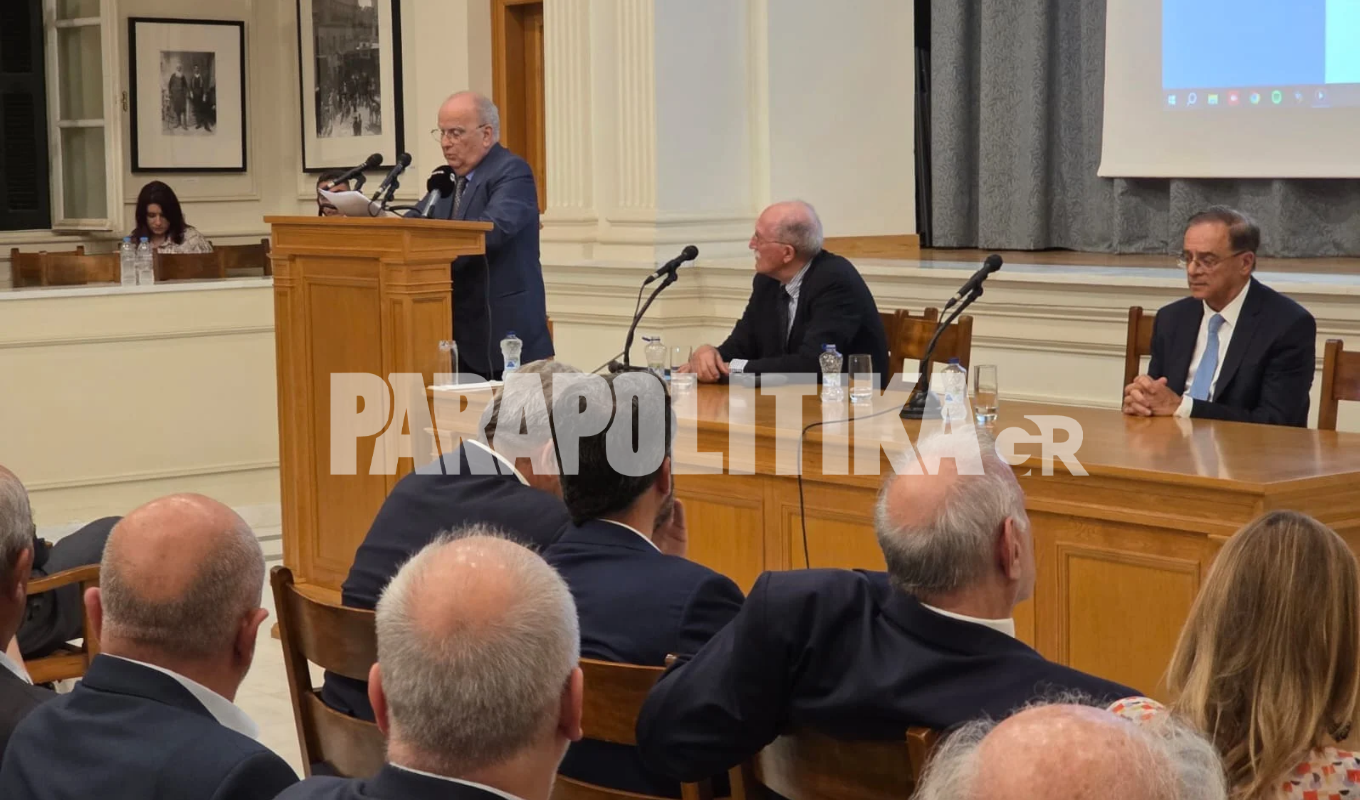
The life of the “Greek banker” Minos Zombanakis has been turned into a book by physician and author Ilias Gavrilakis. Titled M.Z. – Minos Zombanakis: Historical Records, Historical Documents, the book was presented today, Saturday, in Chania. Prime Minister Kyriakos Mitsotakis was among those in attendance, along with his wife Mareva Grabowski, local members of parliament, and representatives of local government bodies. In addition to the author, former Finance Minister Gikas Hardouvelis also spoke at the event.
Minos Zombanakis: from a dirt-floor home in Kalyves, Chania, to Harvard and the pinnacle of global finance
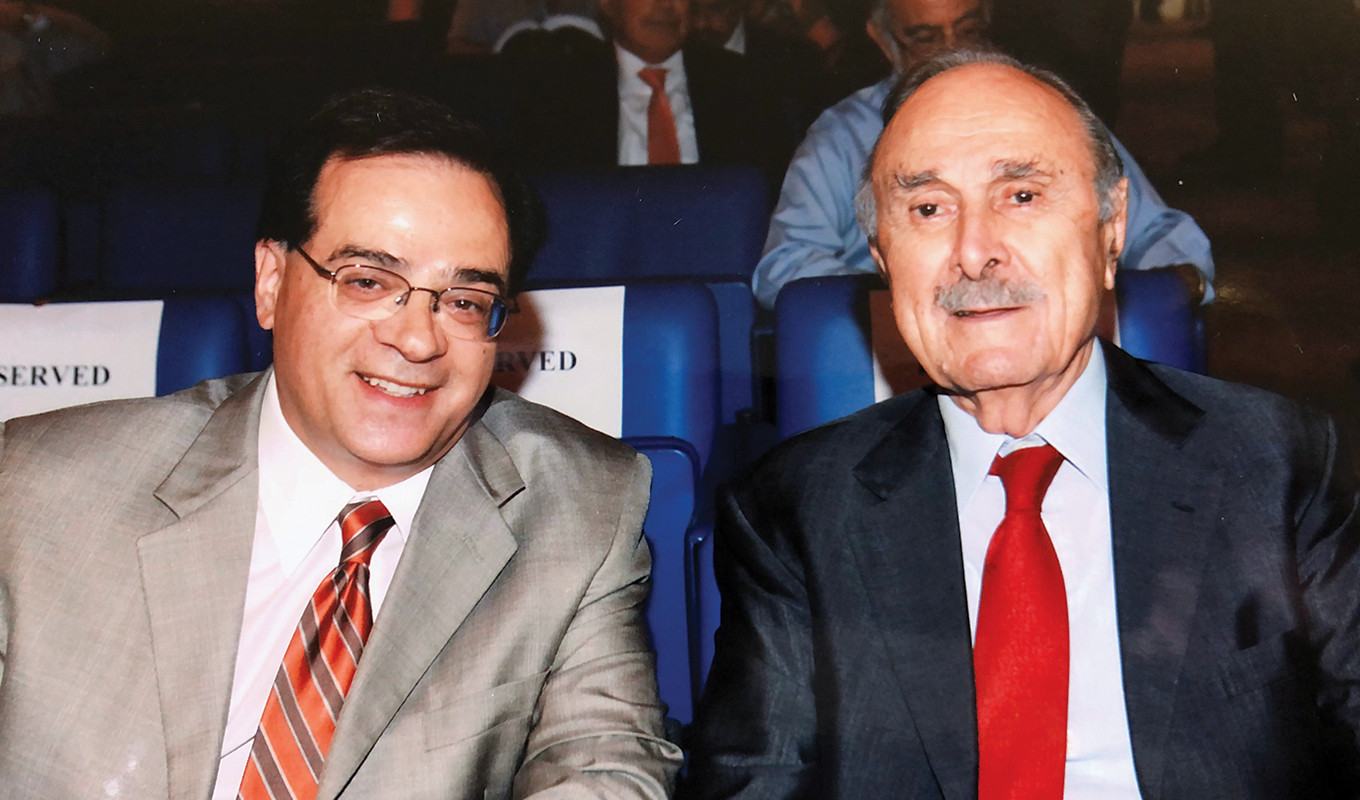
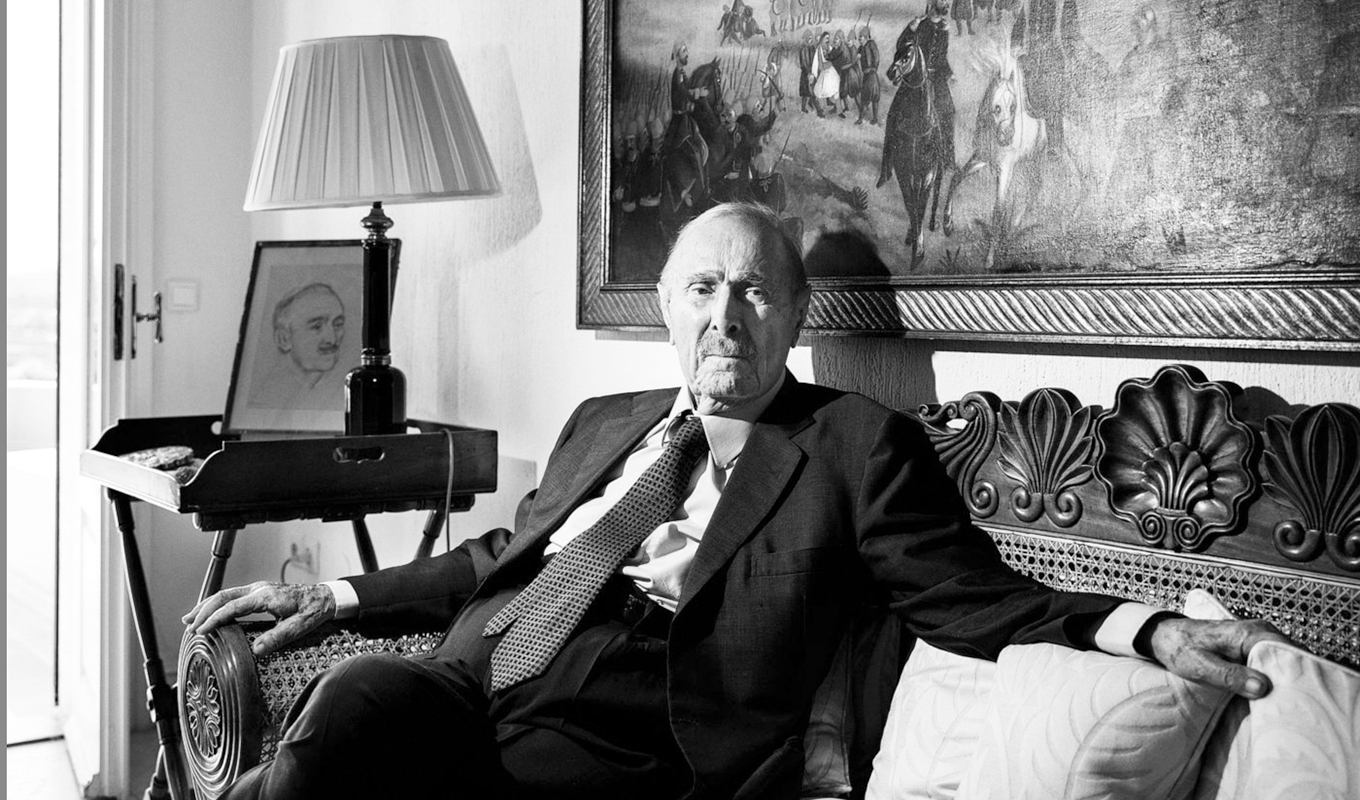
The remarkable economist Minos Zombanakis lived a life that could very easily fill the pages of a novel. He became a true legend of the global economy as the man who invented LIBOR — the London Interbank Offered Rate — fundamentally shaping the modern landscape of international lending and the liberalization of global capital flows.
Growing up in a large family in Kalyves, Chania, he was raised in a house with a dirt floor, no electricity, and no running water. Despite these hardships, he was determined to leave his mark on the world. He was forced to abandon his university studies in Athens almost before they had begun, and after narrowly escaping death on four separate occasions — in Greece and in Korea — he was accepted into not one but two graduate programs at Harvard. He completed both with distinction, a feat that opened the doors to leadership positions in the financial sectors of the United States, Europe, and the Middle East.
The “Greek banker” who created LIBOR and refused to become prime minister under the junta
He soon earned the nickname “the Greek banker,” and as early as the mid-1970s he had warned that the global economy was facing serious threats. Despite his worldwide renown, Minos Zombanakis never sought public office. Notably, he turned down an offer to serve as prime minister during the Greek military junta, choosing instead to act as an unpaid advisor to Konstantinos Karamanlis, Andreas Papandreou, and Konstantinos Mitsotakis during their respective terms as prime minister. Throughout it all, he never lost his down-to-earth character, and was known on many occasions to be quietly generous, helping those in need.
His remarkable journey began with a conversation he had with a British officer shortly after Greece’s liberation. The officer was so impressed by Zombanakis’s command of English that he brought him along to Kalamata, where he went on to work for the American mission operating in Greece under the Truman Doctrine. After completing his military service, he worked on Greece’s economic stabilization program.
In 1952, the Bank of Greece sent him to Washington to serve on the Marshall Plan Accounts Verification Committee. There he built an extensive network of contacts and started his own family, fathering two sons. Always striving to improve himself, he set his sights on Harvard — despite having no undergraduate degree. He seized the opportunity regardless, and was ultimately proven right to do so. He earned two master’s degrees, and in 2010 the prestigious university established a chair in International Financial Systems in his name. After graduating, he worked as an economist on a housing project in Lebanon, laying the groundwork for his future activities across the Middle East. In 1958, he embarked on his distinguished career in international banking.
He became the European, African, and Middle Eastern representative of Manufacturers Hanover Trust, based in Rome. In 1969, he created LIBOR, and in later interviews he described in detail how the process unfolded. A few years on, he moved into investment, forging close ties with Saudi Arabia and becoming the first Greek ever to reach the position of vice chairman of the board at an American bank.
After the fall of the junta and the return of Konstantinos Karamanlis to Greece, the statesman urgently called on Zombanakis to mobilize his entire academic, political, and economic network in the United States in order to secure military equipment for Greece at all costs. Working closely with then-Defense Minister Evangelos Averoff and making a total of 18 trips to America, Zombanakis succeeded in reopening the arms supply channel between the US and Greece, enabling the country to rapidly rearm its armed forces.
In the 1980s, as heavily indebted developing nations teetered on the edge of economic collapse, Minos Zombanakis published a signed article in the internationally renowned Economist magazine proposing what became known worldwide as the “Zombanakis Plan” — a framework offering concrete solutions for managing the global debt crisis. He spent the final years of his life in his birthplace, Kalyves, Chania. He passed away on December 22, 2019.