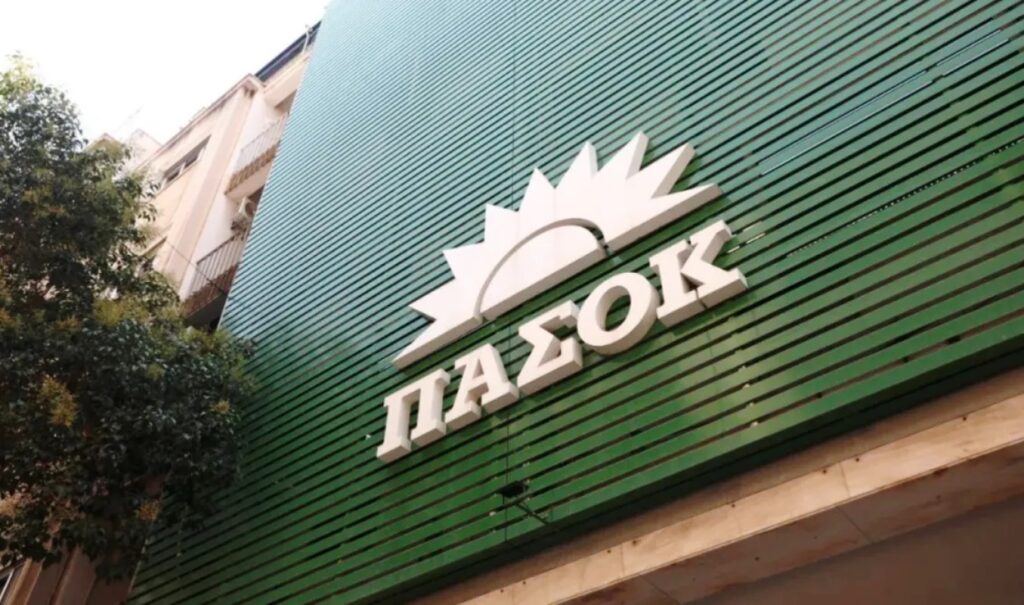
PASOK has published a statement expressing its reservations about the early repayment of Greece’s public debt. The opposition party stopped short of using harsh rhetoric, but made its doubts about the transactions clear. The statement notes that the debt reduction is largely the result of excessive surpluses and a heavy VAT tax burden, warning that primary surpluses could “ultimately act as a drag on the country’s growth momentum in the medium term, hampering the development potential of Greece and the well-being of Greek taxpayers.”
Read also: Mitsotakis: Reducing public debt is a national achievement and one of the most meaningful victories for the Greek people
PASOK’s official statement
PASOK acknowledges the early debt repayment transactions, but has long highlighted two critical points. First, that policies of this kind have their limits, as they can only deliver meaningful benefits to public debt levels up to a certain point and within a specific future time horizon. Furthermore, as the party has previously pointed out, the debt reduction is largely driven by excessive surpluses and an outsized tax burden — particularly through VAT — as well as unchecked inflation that the government has failed to bring under control, disproportionately affecting low- and middle-income households.
PASOK is calling on the government to facilitate a thorough parliamentary debate on the evaluation and future direction of Greek public debt repayment policies in the years ahead. One thing, the party says, is certain: sustaining primary surpluses at such high levels will, in the medium term, act as a brake on the country’s growth momentum and undermine the financial well-being of Greek taxpayers.