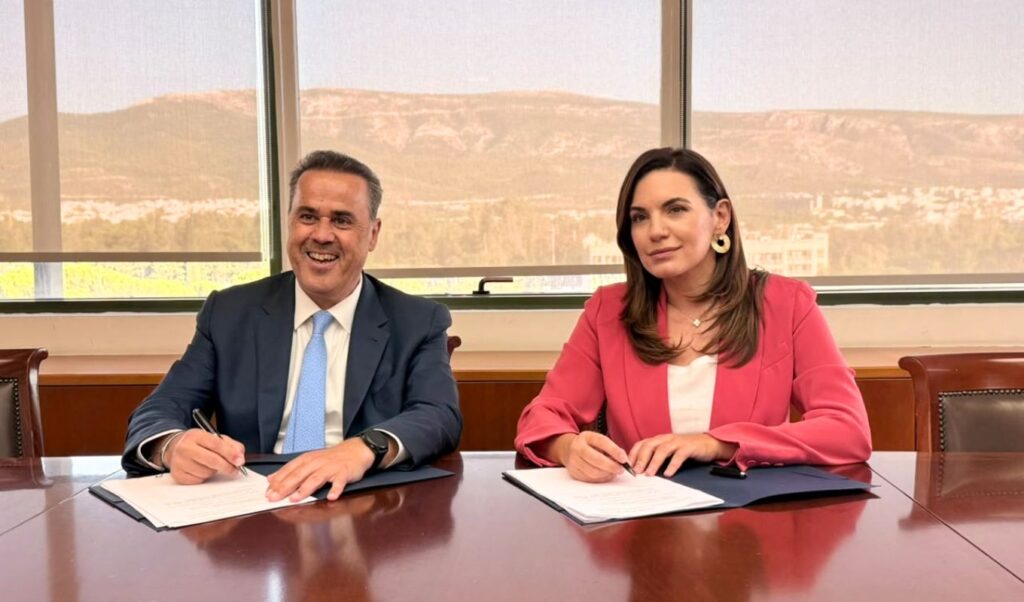
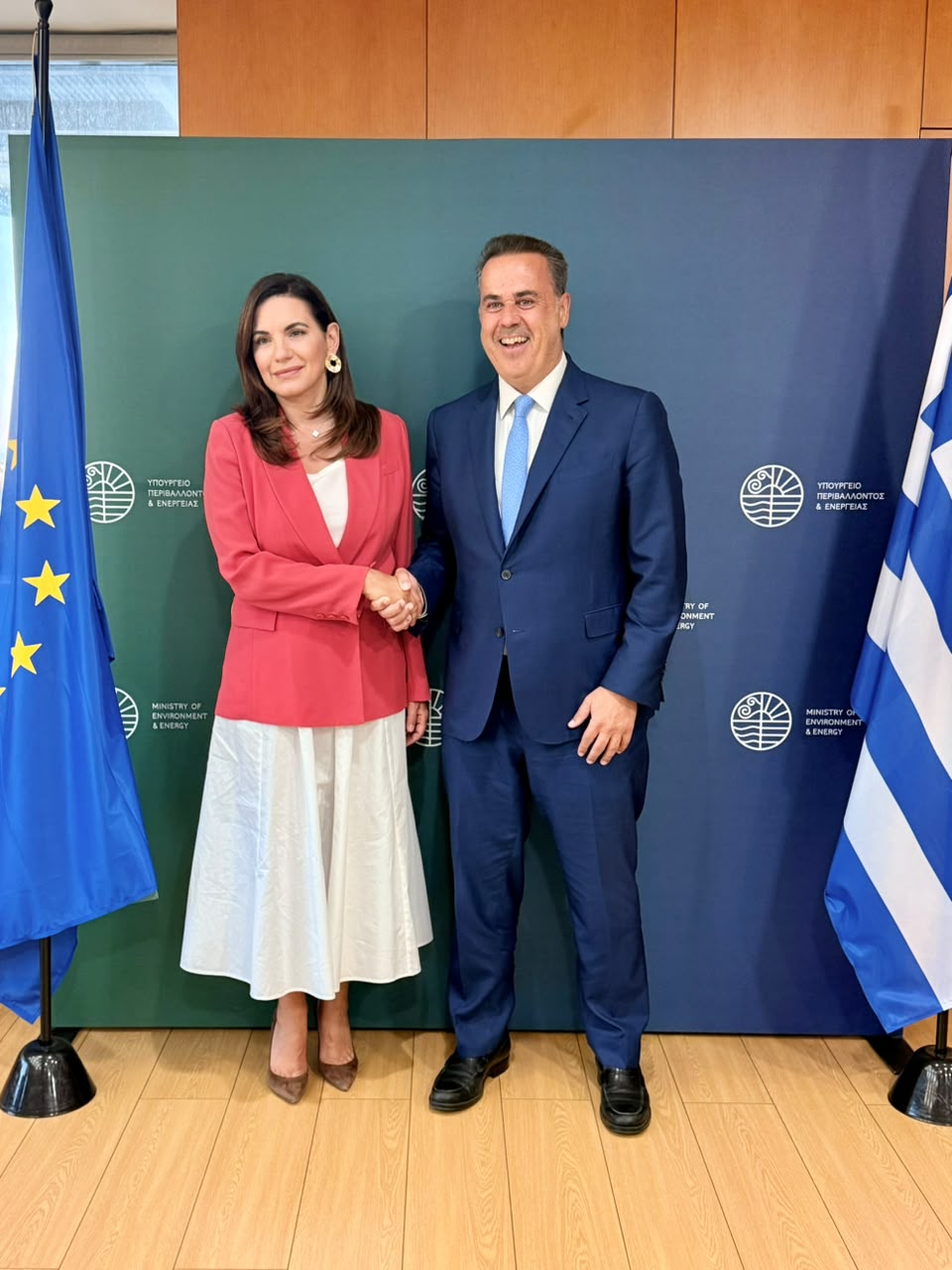
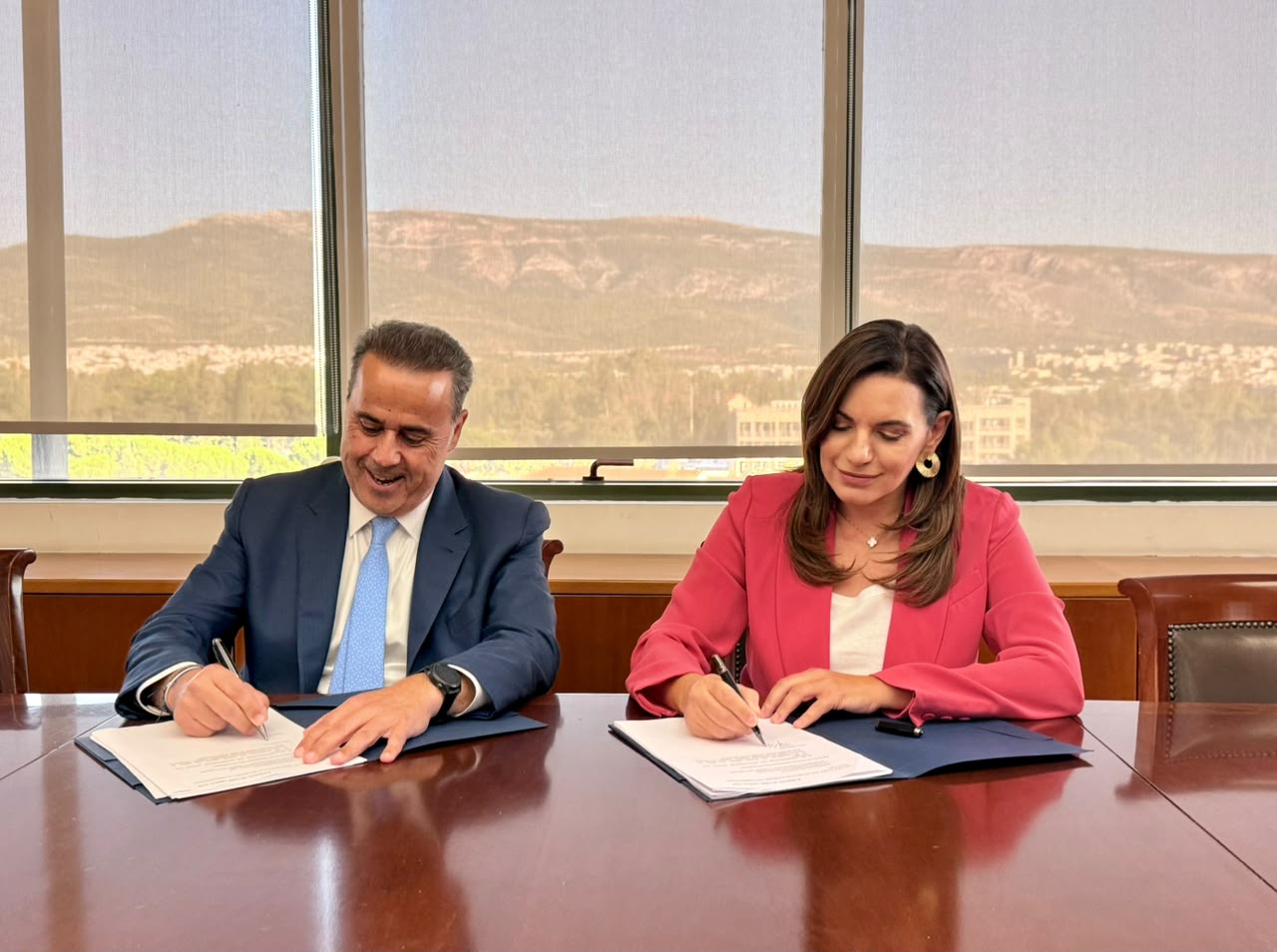
Greece’s new Special Tourism Spatial Planning Framework has officially come into force today, enacted through a Joint Ministerial Decision signed by the Minister of Environment and Energy, Stavros Papastaurou, and the Minister of Tourism, Olga Kefalogianni. The decision was co-signed by the Deputy Minister of Environment and Energy, Ms. Marilena Soucoulis. According to a joint statement issued by the two ministries, “the Special Tourism Spatial Planning Framework (STPF) is a national plan that defines where and under what rules tourism can be developed across the country. It aims to establish strategic directions and medium-to-long-term objectives at the national level for the spatial organization of the tourism sector, in terms of economic, environmental, and social sustainability.”
The goal: more organized and sustainable tourism development
The overarching aim is to ensure that tourism development takes place in a more organized and sustainable manner, while simultaneously protecting the natural environment, local communities, and the unique character of each region. In summary, the Special Tourism Spatial Planning Framework:
- establishes clear, uniform, and transparent rules for new tourism investments
- better organizes the development of hotels and other tourism infrastructure
- protects areas facing increased tourism pressure
- places particular emphasis on islands and environmentally sensitive areas
- and guides urban planning decisions for the years ahead
Under the new framework, regions are classified primarily based on the intensity of tourism activity, taking into account the number of tourist beds relative to the surface area and permanent population of each municipal unit.
The classification of regions into zones A–E and islands into Groups I–III effectively determines the conditions under which tourism can be developed in each area. It influences the types of tourism investments permitted, the minimum plot size requirements for new hotels, maximum bed capacity, and the conditions for protecting the natural environment and the distinctive character of each locality. At the same time, the framework introduces strict coastal zone protection rules, with the aim of preserving the natural landscape and safeguarding the coastal environment.
Following extensive public consultation involving stakeholders, scientists, industry professionals, and citizens, and after receiving opinions from the National Spatial Planning Council and the Central Council for Spatial Planning Issues and Disputes (KESYCHOTA), a broad consensus was reached on key guidelines, regulations, and solutions to a range of issues.
While the overall architecture, classification system, and core principles of the framework remained unchanged, three targeted improvements were made following the incorporation of feedback and comments from the consultation process:
-first, regarding Controlled Development Areas (Zone A), which are characterized by intense tourism activity;
-second, regarding Special Development Enhancement Areas (Zone E), including, among others, border regions;
-and third, regarding the utilization of already designated traditional and listed (neoclassical) buildings in Zone A areas.
Additionally, the provision for maintaining “low-impact development” (with a maximum building coefficient equal to half of the one currently applicable in the area) was retained, subject to specialized studies (geotechnical assessments, stream delineation, etc.), Strategic Environmental Assessments (SEA), public consultation, and the issuance of a Presidential Decree following approval by the Council of State. With today’s signing of the Joint Ministerial Decision, Greece now has, for the first time in any substantive sense, a strategic institutional document governing the spatial development of tourism.
Papastaurou: “Tourism now has a modern and stable spatial framework for the first time”
Minister of Environment and Energy Stavros Papastaurou stated: “The Special Tourism Spatial Planning Framework is a strategic national planning tool that sets the conditions for organized, balanced, and sustainable tourism development. With clear rules and strategic directions, it combines the strengthening of tourism activity with the protection of the natural and cultural environment, the preservation of local community identity, and the long-term resilience of the country’s destinations. I warmly thank Minister of Tourism Olga Kefalogianni, the Secretaries-General, and the staff of both ministries for their substantive and constructive collaboration. Spatial planning is not merely an institutional instrument — it is a responsible choice for the future of our country. We are introducing rules where there was ambiguity, strategy where fragmentation prevailed, and a long-term perspective where short-term thinking too often dominated. We are protecting the environment, strengthening the economy, and improving the quality of life for citizens. Tourism, as a national asset and a cornerstone of the Greek economy, now has, for the first time, a modern and stable spatial framework that provides legal certainty, encourages responsible investment, and ensures that development goes hand in hand with the protection of our natural and cultural heritage. With planning, consistency, and collaboration, we are laying the groundwork for a form of tourism that creates greater value for the country, local communities, and future generations.”
Kefalogianni: “Our shared goal is to safeguard the value of Greek tourism”
Minister of Tourism Olga Kefalogianni stated: “The Special Tourism Spatial Planning Framework is a key instrument for implementing our strategy for quality tourism development — one that is measured and balanced, respectful of the natural and cultural environment, and grounded in the real capacity of each region. The new framework protects destinations that are under increased pressure and creates development opportunities for the country’s less developed areas. Our goal is to extend tourism activity to more destinations and across a greater part of the year, so that its benefits reach more local communities. Clear rules and specific guidelines define where and under what conditions tourism can grow, without overlooking the unique characteristics and needs of each location. At the same time, local stakeholders retain the necessary space to design solutions tailored to their region’s specific circumstances. I would like to thank Minister of Environment and Energy Mr. Stavros Papastaurou for his collaboration, as well as all stakeholders for their broad and substantive participation in the consultation process. Our shared goal is to safeguard the value of Greek tourism and enhance it on the basis of quality and sustainability, creating real added value for the economy and society.”
Read the full Joint Ministerial Decision here.