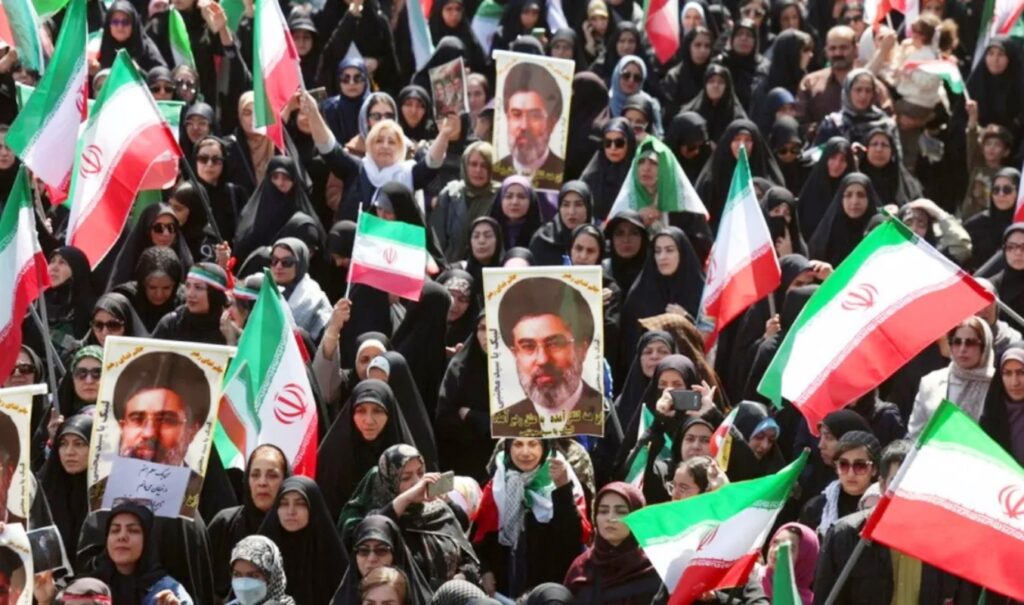
Talks between the US and Iran appear to be entering a new period of uncertainty, as key issues surrounding Tehran’s nuclear program and the lifting of American sanctions continue to block any agreement. Despite optimism in recent days that both sides were close to a positive breakthrough, the atmosphere now appears significantly strained. According to a Wall Street Journal report, mediators acknowledge that negotiations have “stalled” on critical points, with neither side showing willingness to back down easily. Meanwhile, Donald Trump remains unmoved in his position that there will be no agreement unless it fully serves American interests, while Iran continues to demand substantial easing of sanctions that have severely burdened its economy. At the center of discussions remain the Strait of Hormuz, enriched uranium, and the draft memorandum of understanding being examined by both sides.
US and Iran: Nuclear issues and sanctions block agreement
According to the Wall Street Journal, talks between the United States and Iran are facing serious difficulties. Both sides appear to be temporarily moving away from a potential agreement, despite the positive climate that existed in recent days. The biggest problem remains Tehran’s nuclear program and American sanctions. Mediators report that Washington and Tehran are pressuring each other without any definitive conclusion so far.
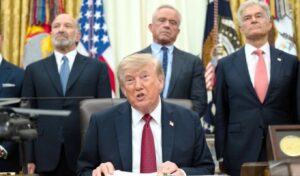
Donald Trump made clear that he does not intend to proceed with an agreement if he doesn’t believe it fully serves American interests. As he stated, there will either be a “great and substantial agreement” or no agreement at all. At the same time, he responded to criticism from political opponents regarding his handling of the negotiations. Meanwhile, Iran insists on the need for gradual lifting of sanctions that have caused serious economic pressure on the country.
The Strait of Hormuz and the draft agreement with Iran
According to sources, both sides are initially trying to agree on a memorandum of understanding. The main goal is to stop hostilities and restore normal navigation in the Strait of Hormuz within the next 30 days. This would be followed by a new round of talks on Iran’s nuclear program and gradual lifting of sanctions. According to CBS, the draft agreement includes six key points.
Among these provisions:
-Extension of ceasefire by 60 days
-Resumption of Strait of Hormuz operations
-End of military operations on all fronts
-Iran’s commitment not to develop nuclear weapons
-Regulation of enriched uranium stockpiles
-Discussion of sanctions relief based on Tehran’s compliance
Al Arabiya reported that the draft provides for restoration of navigation in the Strait of Hormuz to pre-war levels within 30 days.
Uranium, China and new diplomatic moves
Another critical point concerns Iran’s enriched uranium. According to sources, Tehran appears willing to transfer uranium quantities outside the country, but only under specific conditions. Iran demands the uranium be transferred to China with guarantees from Beijing. This issue is considered among the most difficult in the talks, as it directly relates to security and control of the nuclear program.
At the same time, diplomatic contacts continue between Iran, China and Pakistan. The US seeks to reduce tensions that also affect the American economy, particularly fuel prices. For its part, Iran seeks economic relief after the effects of war and sanctions. Despite difficulties, contacts continue, with both sides seeking a compromise that could reduce regional tensions and prevent new escalation.