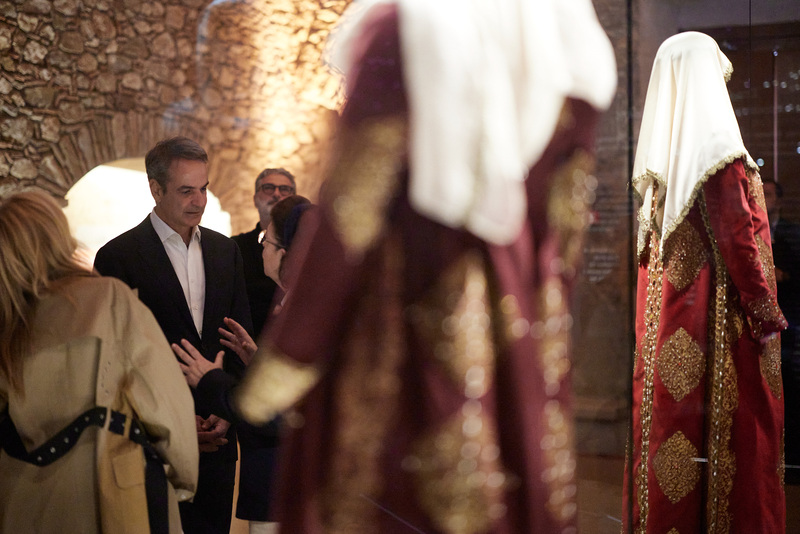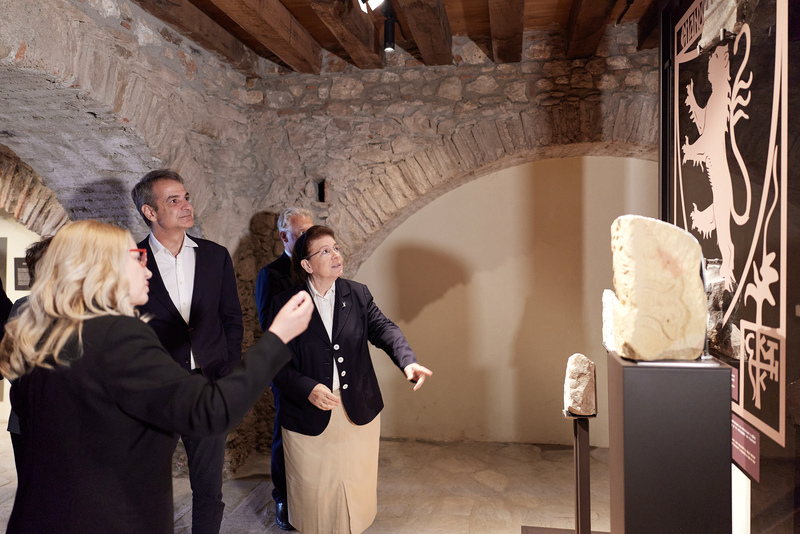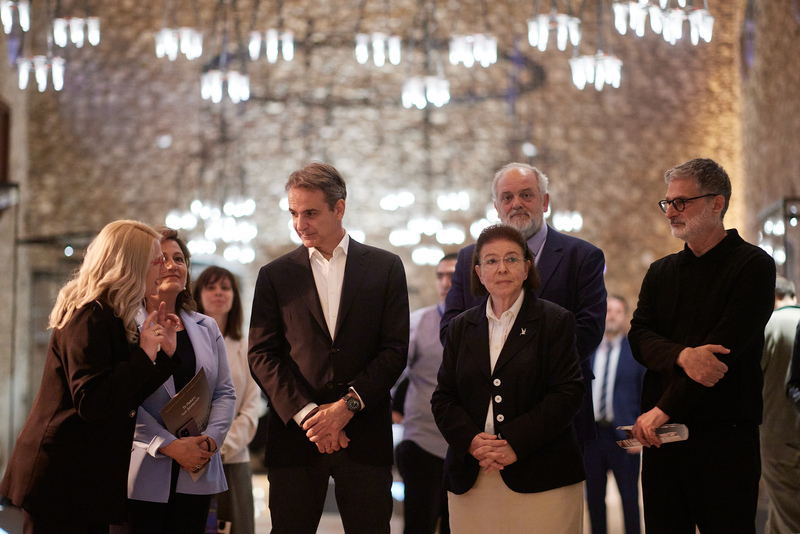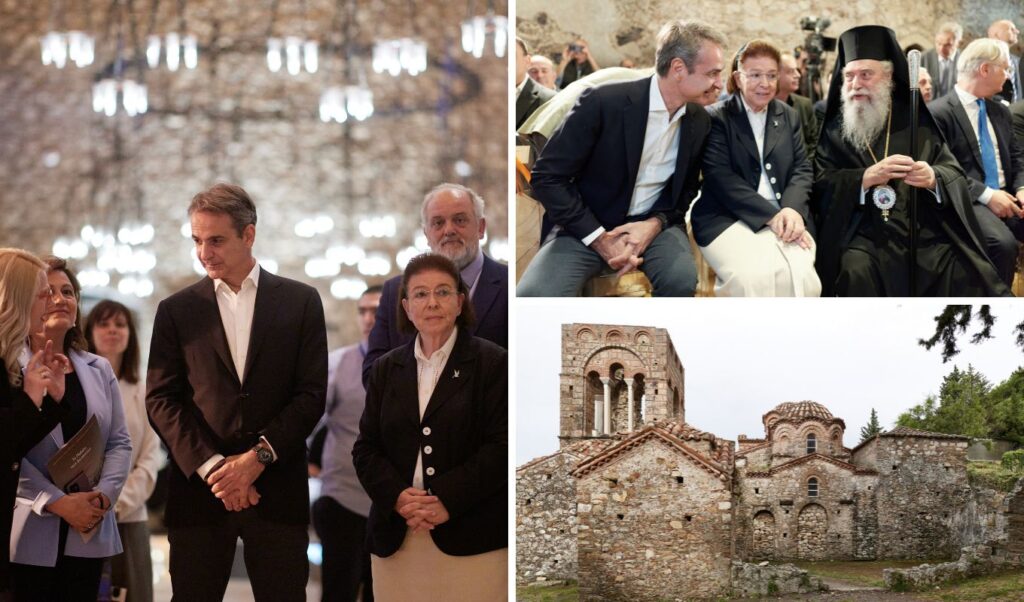
A grand ceremony officially returned the renovated monumental complex of the Palace of the Despots in the Byzantine fortress city of Mystras to the public, Greece’s best-preserved palatial city. The inauguration took place on Thursday afternoon (21/05) in the presence of Prime Minister Kyriakos Mitsotakis and Culture Minister Lina Mendoni. This particularly significant project for Thursday afternoon (21/05) was attended by Prime Minister Kyriakos Mitsotakis and Culture Minister Lina Mendoni. Besides the political leadership, many representatives of local government and crowds of people attended the ceremony.
The Mystras palatial complex has been renovated
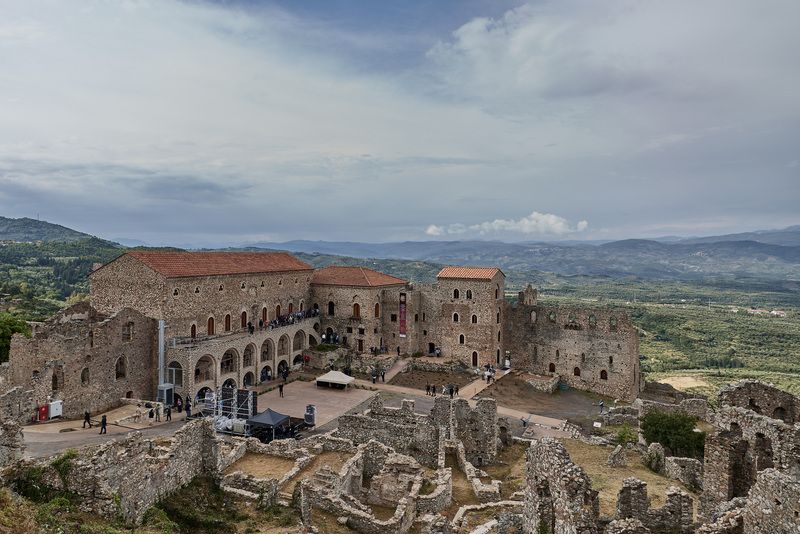
The palatial complex, which dominates the famous “Saraya of the Princess,” fully renewed and, for the first time, universally accessible, awaits the public from tomorrow, adorned with a multimedia exhibition, complemented by other exhibition presentations that revive detailed significant and everyday moments from life during the years when the last emperors of Byzantium achieved greatness.
This emblematic project, which radiates the name and significance of the region as a pillar of cultural creation at an international level, whose work was covered by the Recovery Fund, ESPA, and the Peloponnese Program, constitutes a technical intervention that implements the state’s and Ministry of Culture’s vision for the tourism upgrade of accessible archaeological sites and historical monuments of our country, making them accessible to an even wider public.
Mitsotakis: Mystras has left an indelible mark on time and space
Speaking about this restoration that allows modern visitors to experience the grandeur of the last station of the Byzantine Empire’s resurgence, Prime Minister K. Mitsotakis emphasized: “Under the shadow of Taygetos we feel the weight of history because Mystras is not only a world heritage monument that has left an indelible mark on time and space, but also the point where our own Byzantium met the dawn of modern Greek identity.”
The Prime Minister added that “here opened in the distant 13th century a dialogue between the past, which in reality never stopped and that’s why we are here today to ensure that it will continue for many more years,” as the restoration of such a work is handed over to world heritage.
Thanking Ms. Mendoni for her contribution, the Prime Minister emphasized that Mystras “is the 30th site we have delivered in the last seven years” and added that “we have eight more to deliver by the end of our term,” because culture and each of its projects has a multiplier effect for jobs and the local economy.
Mendoni: “The Palace is returned to the public as a living space of history, knowledge and experience”
For her part, Ms. Mendoni, recalling the historical course and brilliance of Mystras as a beacon of culture and bridge for transmitting the Greek spirit to the West and shaping the Renaissance, emphasized that “today the renewed and upgraded unique medieval fortress city is returned by the Ministry of Culture to the Greek and international public.” As the minister stated, “since 2019 the Ministry of Culture has implemented an extensive intervention program at the archaeological site aimed at protecting, restoring, highlighting it and creating infrastructure to serve visitors.”
“We are a team that today we are truly happy and proud,” the minister emphasized, adding that “these interventions ensure: first, maximum possible accessibility for our disabled fellow citizens with the upgrade of visiting routes and the elevator to the palace.”
As Ms. Mendoni added, the works also ensure “the monument’s protection from fire danger with the installation of a modern water supply and fire safety system” and also “comprehensive protection of important churches with systematic conservation work on structural elements and their painted decoration,” as well as “sustainable development with the completion of the comprehensive management plan for the fortress city combined with the study of its biodiversity, which together safeguard the invaluable cultural capital and natural wealth.”
As she emphasized, “today has special significance for Laconia and the Peloponnese, as this is not simply the inauguration of another restoration project. A place of national historical memory and identity is being returned to society, a cultural good of universal value, and a timeless core of culture,” adding that “the Palace is returned to the public, not as a simple architectural remnant, but as a living space of history, knowledge and experience.”
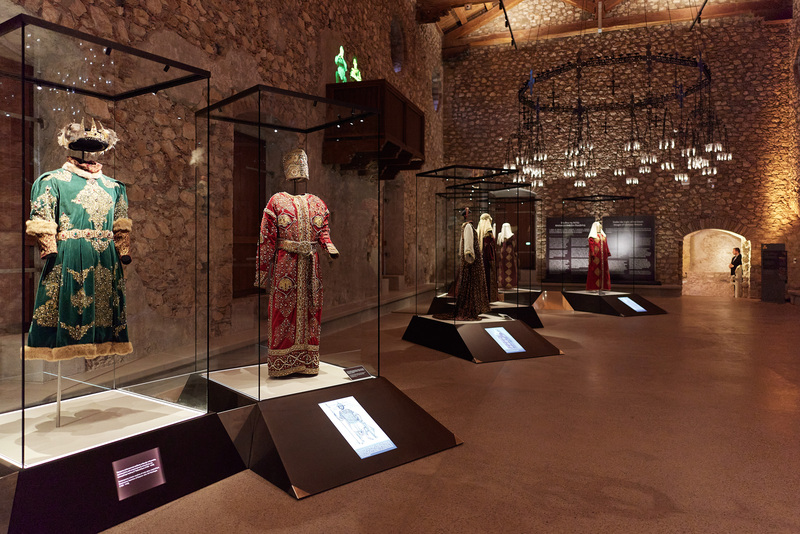
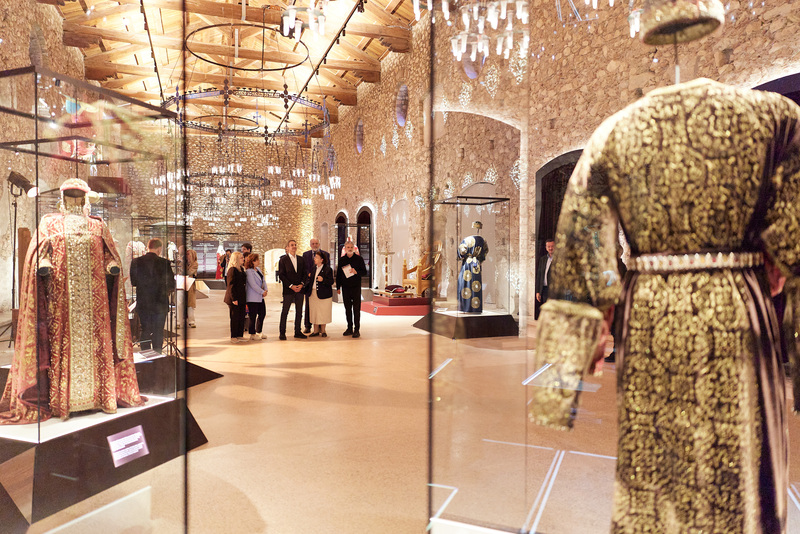
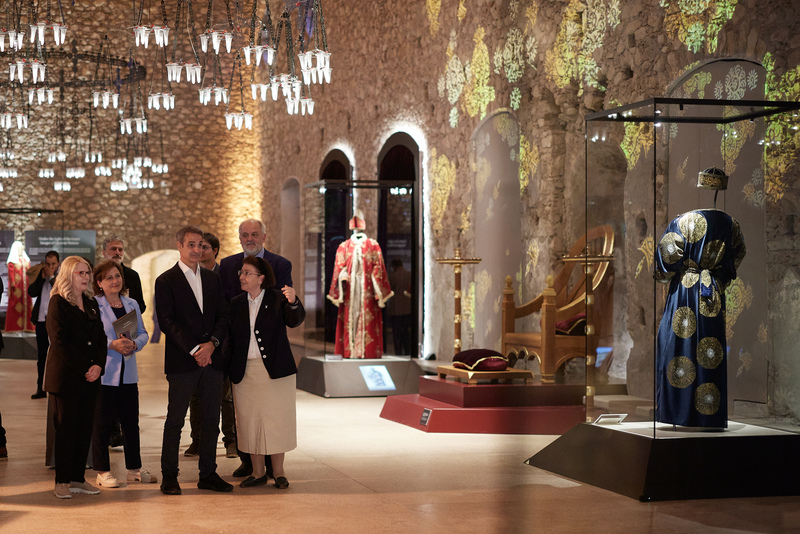
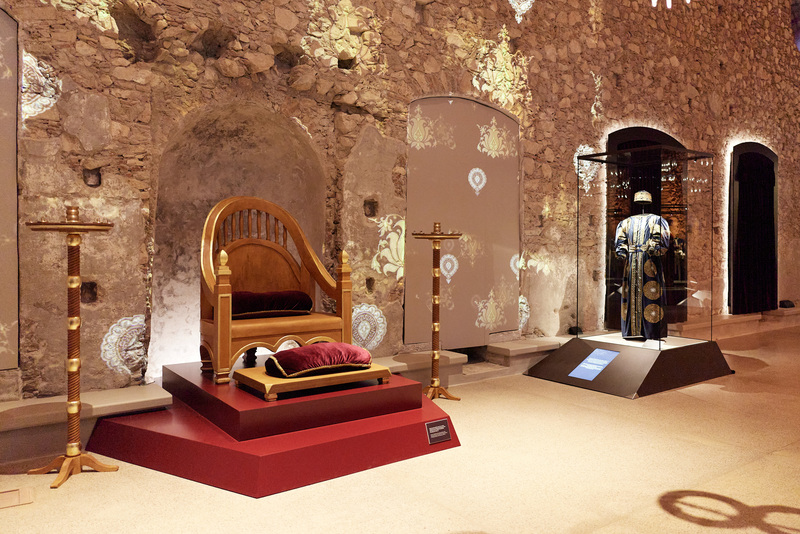
This new approach includes the permanent physical and digital exhibition titled “Hegemonic Narratives,” framed by two other important exhibitions “In the Saraya of the Princess,” one concerning the historical reception of Mystras and the other titled “In the Light of the Court. Reflection of Glorious Attire” that convey to visitors the aesthetics, ideology and atmosphere of the Byzantine court of Mystras.
“Cultural heritage,” the minister emphasized, “plays a crucial role both for collective self-knowledge and for sustainable development and social cohesion. With this strategic understanding, we have implemented, over the last seven years, the largest and most comprehensive policy of investments in Culture that the country has known. These investments create jobs, strengthen local entrepreneurship, upgrade the urban and natural environment and create new development prospects for local communities.”
The exhibition “In the Saraya of the Princess”
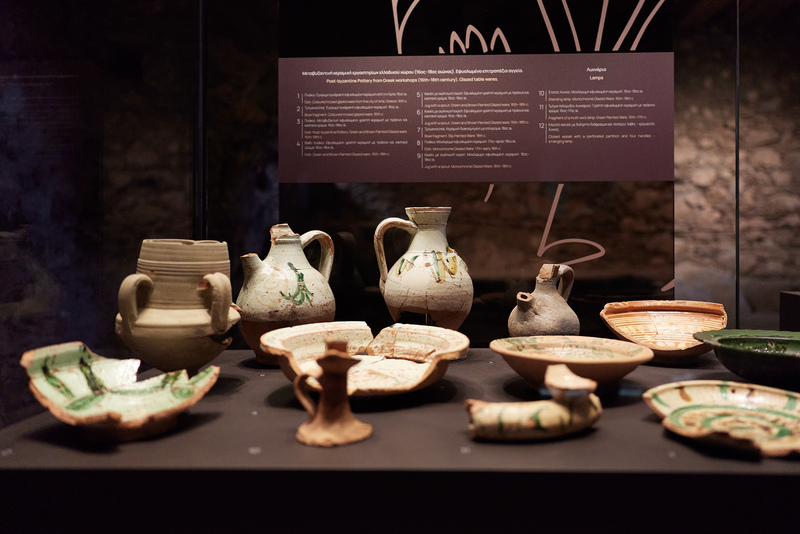
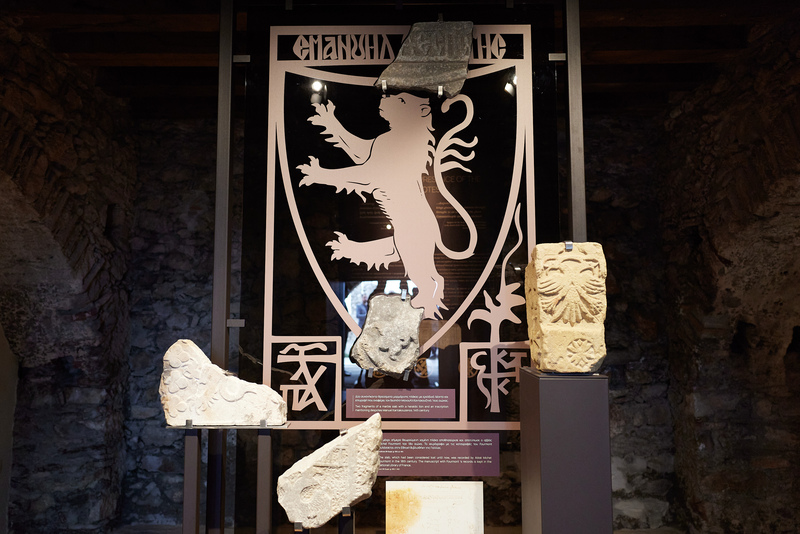
The exhibition “In the Saraya of the Princess,” which accompanies the inauguration, was created following a new museological and museographic study approved by the Central Archaeological Council and brings to life the daily life of the Despots, the diplomatic relations of the era, administrative organization and the intellectual movement of Mystras. Visitors can tour the great Throne Hall (on the upper floor of the Kantakouzenos building), admire rare exhibits, digital representations that help them understand how the administrative center of Morea functioned in the first half of the 15th century.
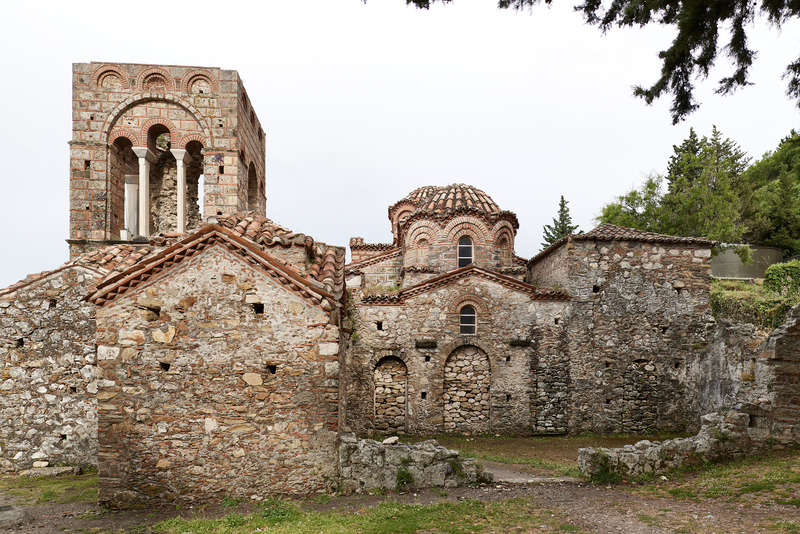
At the same time, conservation work on the unique painted decoration and stone elements in the important churches of the fortress city was highlighted, ensuring that the famous post-Byzantine frescoes will remain unchanged through the centuries.
Within the framework of renovation work, one of the basic challenges for accessibility to Mystras was significantly resolved with the steep terrain relief, cobblestones and hundreds of steps that make visits difficult for people with disabilities.
Simultaneously, existing routes were improved, on the old imperial road and the existing path, where crucial interventions were made to reduce danger.
At the same time, transportation with a special vehicle is provided, which has access to the elevator, for disabled people to the Palace, making Mystras, which since 1989 has been listed among UNESCO’s world heritage monuments, a fully accessible and visitable location.