There are regions and prefectures in our country where the demographic problem appears very intensely, with effects across the entire spectrum of social, economic and cultural life, as well as on the distribution of healthcare facilities of all types. We will discuss pharmacies in one such prefecture.
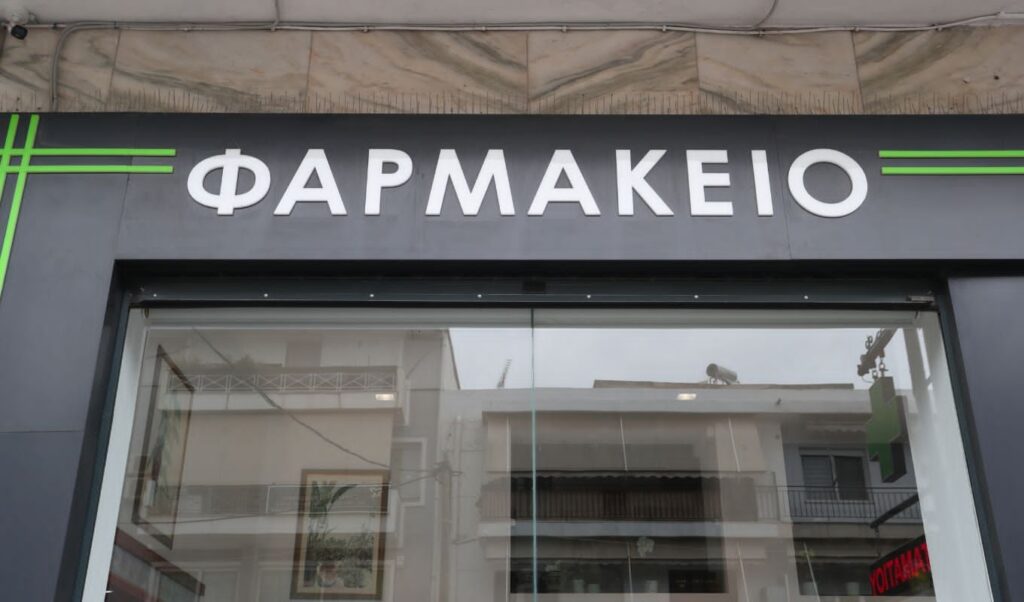
In the prefecture of Kilkis, 73 pharmacies operate. Of these, 34 are single-staff pharmacies. That means almost one in two pharmacies in the prefecture relies on just one pharmacist, often in communities where the pharmacy is the only point of primary healthcare.
The demographic problem in Kilkis prefecture is acute, with border villages, particularly in the Municipality of Paeonia, showing signs of abandonment. The region is struck by dramatic population decline and aging residents, while the lack of young people and workforce now intensely concerns local government and local economic actors.
According to what the president of the Kilkis Pharmaceutical Association, Konstantinos Katsianos, explains today to parapolitika.gr, the main characteristics of the problem include:
- Dramatic shrinkage: Indicative is the situation in villages like Skra, where the population shows vertical decline (decreased by 56% within two decades).
- Rural depletion: The region’s villages are aging without renewal, leading to gradual abandonment of the local economy.
- The area seeks active support policies, repatriation incentives and infrastructure strengthening to stem the wave of internal and external migration.
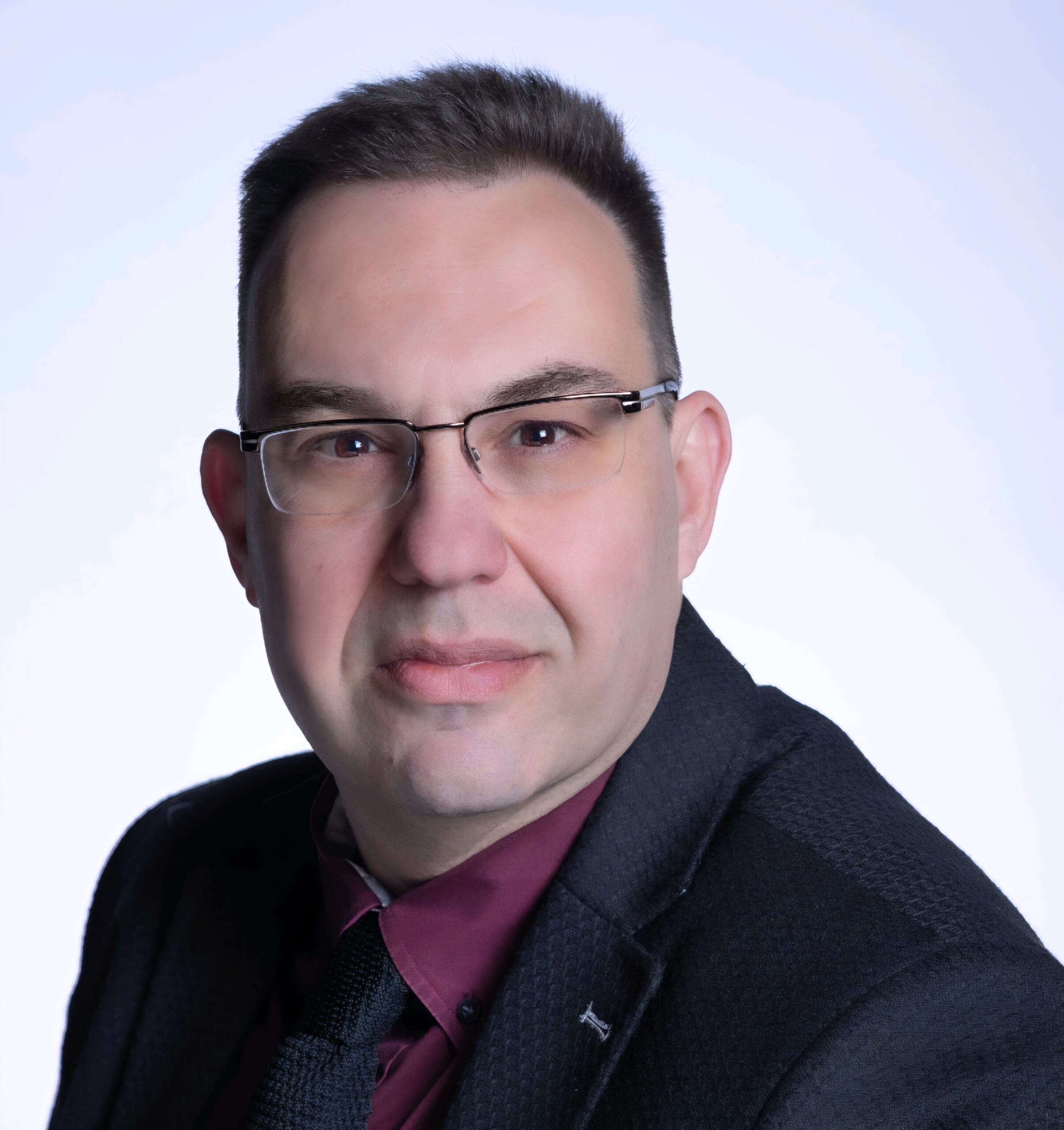
Konstantinos Katsianos also tells parapolitika.gr that “as the Kilkis Pharmaceutical Association, we have been raising the issue of these pharmacies’ viability in public discussion for years. We return not to denounce, but to propose. Because our prefecture is not just any prefecture on this issue. With a 45% ratio of single-staff pharmacies, we are among the most exposed prefectures in the country to the consequences of the demographic problem.”
The situation in Kilkis Regional Unit
According to his description, “these 34 single-staff pharmacies are mainly located in small communities, villages and border areas. In many of these, the pharmacist is the only healthcare professional with stable and daily presence, without a functioning rural clinic, without permanent medical coverage, forcing residents to travel dozens of kilometers for the smallest examination. The prefecture’s population is shrinking and aging. Young people leave, elderly remain, healthcare needs increase. At the crossroads of these trends lies the single-staff pharmacy and every time one closes, it’s not just a business that’s lost. A primary healthcare service point is lost that cannot be replaced.”
What is the role of the single-staff pharmacy? The president of the Kilkis Pharmaceutical Association is remarkably informative and clear: “The border pharmacy, the peripheral pharmacy is not treated in market terms. The pharmacist personally knows their patients, monitors their medication therapy, identifies interactions, intervenes consultatively. They are the first -and sometimes the only- health professional that the elderly, chronically ill, or citizens without easy hospital access will approach. This function ‘doesn’t fit into economic models’… However, the State, although it has silently and essentially assigned this to peripheral pharmacists for decades, has not proceeded with corresponding institutional and economic support. Fixed operating costs, increasing regulatory obligations and reduced purchasing power of the local market have brought many of the 34 single-staff pharmacies in the prefecture to the limits of viability.”
What the Kilkis Pharmaceutical Association proposes
However, since highlighting the problem is not enough, we wouldn’t lose anything –quite the contrary– if we presented a set of proposals promoted by the Kilkis Pharmaceutical Association:
First: Establishing a special regime for single-staff pharmacies in communities below a specific population threshold, with tax exemptions and insurance reliefs that offset low profitability.
Second: Recognition of single-staff pharmacies as private Primary Healthcare service providers, with corresponding funding for care services like measurements, vaccinations, first aid, early disease detection, chronic patient monitoring, etc.
Third: Targeted incentives and creating conditions for young pharmacists who choose to practice in peripheral, border area local communities. Succession in a single-staff pharmacy is not guaranteed and without new colleagues, viability becomes a one-generation issue.
Fourth: Integration of peripheral pharmacies into the health system’s digital transformation, with equipment and training funding, to fully utilize telemedicine capabilities and electronic pharmaceutical care applications.
In conclusion, Konstantinos Katsianos clarifies: “As the Kilkis Pharmaceutical Association, we don’t limit ourselves to highlighting the problem. With 34 single-staff pharmacies out of the prefecture’s 73 total, we have the experience and knowledge of a reality that few prefectures in the country live with the same intensity. This gives us the ability and responsibility to substantially contribute to shaping solutions. We have a large package of proposals. Demographics are a national challenge. Health access is a constitutional obligation. Ensuring the viability of Kilkis’s 34 single-staff pharmacies is where the two meet and there our Association will continue fighting the battle.”