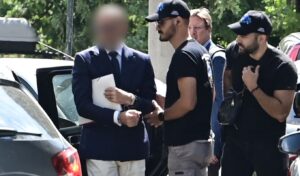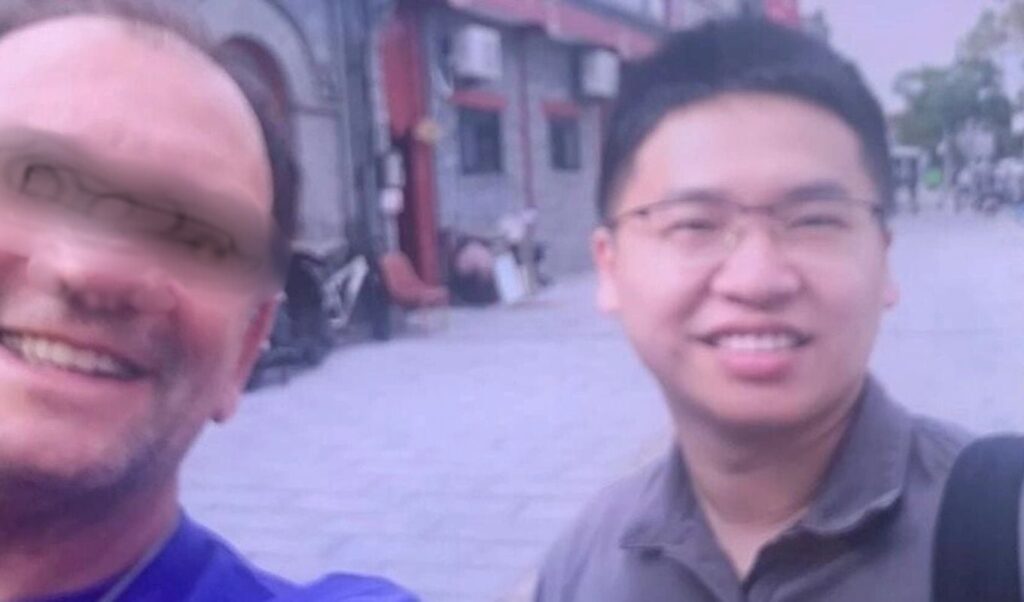
Critical photographs found on the detained air force commander’s mobile phone shed light on the espionage case that has shocked the Defense Ministry. The images show the accused officer together with two individuals he met during his recent visit to China, with authorities believing one of them is the Chinese agent who recruited him.
Espionage case: Steven Wayne and his superior William in the crosshairs
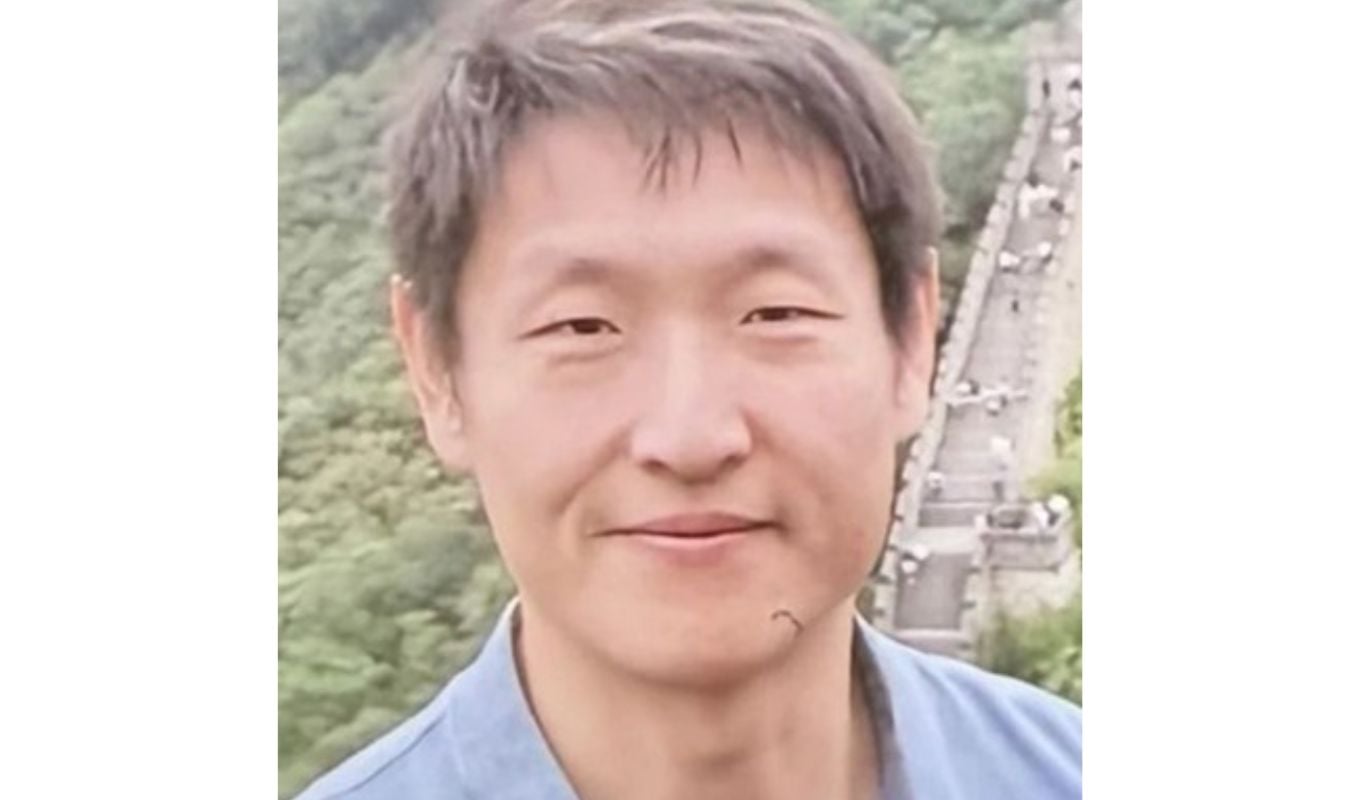
According to the investigation, one of the two people appearing in the photographs is the air force commander’s recruiter, who has been identified as Steven Wayne. The accused officer sent classified confidential documents to this specific Chinese agent, receiving substantial monetary payments in exchange.
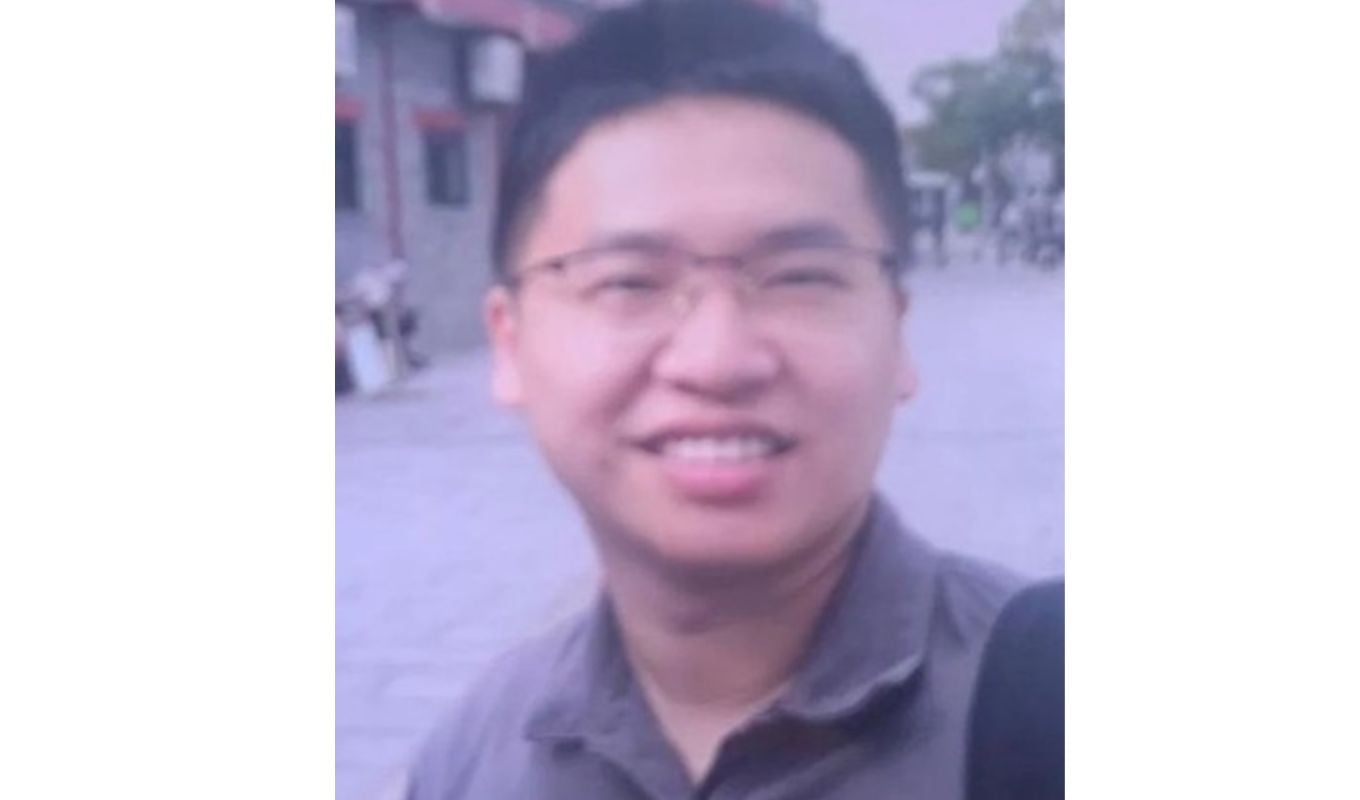
Of particular interest is a photograph taken at the Great Wall of China, where the spy air force commander appears with both Steven and his superior, known by the name William. The presence of both Chinese agents in the same photograph strengthens suspicions of an organized espionage network.
The leisure trip that concealed dark secrets
The detained officer had presented his visit to China to his family and relatives as a simple leisure trip. He had characterized the two individuals who accompanied him as chance encounters he made in the country, who helped him better explore the sights and culture of the region.
However, evidence uncovered from analyzing his mobile phone completely contradicts this version. The documentary photographs prove that the meetings were planned and had the specific purpose of recruiting the officer.
Investigation of mobile phone continues
The examination of the air force commander’s mobile phone is ongoing, with authorities expecting to uncover more evidence that will shed light on the espionage activities. Defense Ministry specialists are working intensively to decrypt a special application used by the accused.
Through this application, the spy air force commander encoded classified documents before sending them to the Chinese agents. Authorities are very close to breaking the application’s code, which is expected to reveal the full extent of information leaked and the timeline of the espionage activity.
Espionage case: The air force commander’s “apology” and fear for his life
The air force commander asked for forgiveness from his homeland, the Armed Forces, his colleagues and his family, claiming in his testimony that he became involved in a case that developed in a nightmarish and dangerous way. The air force engineer first spoke with Steven, his Chinese contact, in February 2024. Seven months later, after a series of electronic conversations, it was time for the face-to-face meeting in Beijing. According to his testimony to the investigator, this was the meeting that turned his work into a nightmare.
“They pressured him unbearably to provide documents, either intellectual or any other documents concerning potentially sensitive information,” stated his lawyer Vasilis Cheirdaris. The air force commander was particularly detailed during his lengthy testimony and emphasized that no other Armed Forces personnel were involved and that his family knew nothing. He requested to be remanded in custody rather than placed under house arrest, as initially mentioned in his defense memorandum, expressing fears for his life. “I placed myself from the beginning at the disposal of my service and Justice, with the sole aim of facilitating their work in the search for truth, which however in this case is the result of the peculiar and particularly dangerous and unmanageable conditions in which I found myself, which led to the acts for which I am accused. I sincerely ask for forgiveness from my homeland, the armed forces, my colleagues and my family,” the 54-year-old stated.
In Beijing, the contact named Steven Wang introduced the air force commander to a Chinese woman, whose profile is being outlined by security authorities. In his testimony, he named the individuals who guided him to companies with Chinese interests. “He gave three names, those he met and cooperated with. There was no justification. There was his desire to work after his retirement,” stated the air force commander’s other lawyer Panagiotis Rizos.