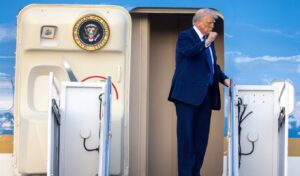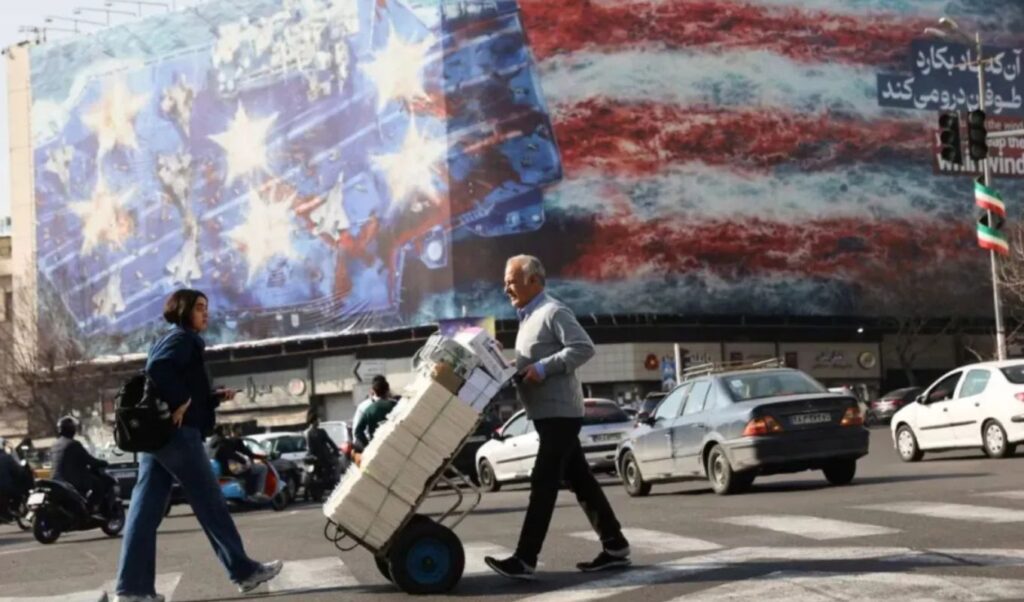
The United States and Iran have “agreed” to extend the 60-day ceasefire established under the Islamabad Memorandum of Understanding, which is set to expire on August 17, Pakistani government sources told the Anadolu Agency on Wednesday.
“Both sides have communicated their consent to the mediators for an extension of the deadline,” said a source familiar with the mediation process.
However, the duration of the new extension has not yet been determined. “The two sides are exchanging messages in order to decide on the length of the extension,” the same source added.
#BREAKING US and Iran have ‘agreed’ to extend ceasefire as 60-day deadline under Islamabad MoU set to expire next week, Pakistani government sources tell Anadolu pic.twitter.com/5ex1a0WH3I
— Anadolu English (@anadoluagency) August 12, 2026
“Things are improving in favor of a peaceful settlement or agreement”
This development out of Islamabad follows an interview given the previous day by Pakistani Defense Minister Khawaja Asif to Bloomberg, in which he stated that the US and Iran are close to “some kind of settlement,” expressing optimism about the trajectory of negotiations. “Things are improving again in favor of a peaceful settlement or agreement,” Asif said, adding that “the indications over the last two or three days are that we are close to some kind of settlement.”
The Pakistan-brokered agreement
The United States and Iran had agreed to a ceasefire in April through Pakistani mediation, and subsequently signed a Memorandum of Understanding on June 17, paving the way for negotiations aimed at reaching a final agreement. Those talks later reached a deadlock, however, due to disagreements over security guarantees and freedom of navigation through the Strait of Hormuz — one of the world’s most strategically vital maritime routes for energy supply and international trade.
The exchange of strikes in July
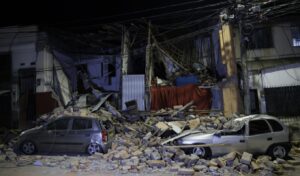
Despite the ceasefire, between July 8 and July 24, the United States and Iran exchanged military strikes. Washington launched attacks against targets inside Iran, while Tehran responded by striking facilities and equipment it claimed belonged to US armed forces across several Arab countries, including Jordan, Bahrain, and Kuwait.