A plan to end hostilities between Iran and the United States has been placed on the table of diplomatic talks, which could come into effect as early as Monday. Both sides have received this ceasefire proposal, according to Reuters citing a source with knowledge of the proposals.
The framework of the agreement was drafted by Pakistan and transmitted during the night to Tehran and Washington. The proposal envisages a two-stage process, with an immediate ceasefire as the first step, followed by negotiations for a comprehensive agreement to end the conflict.
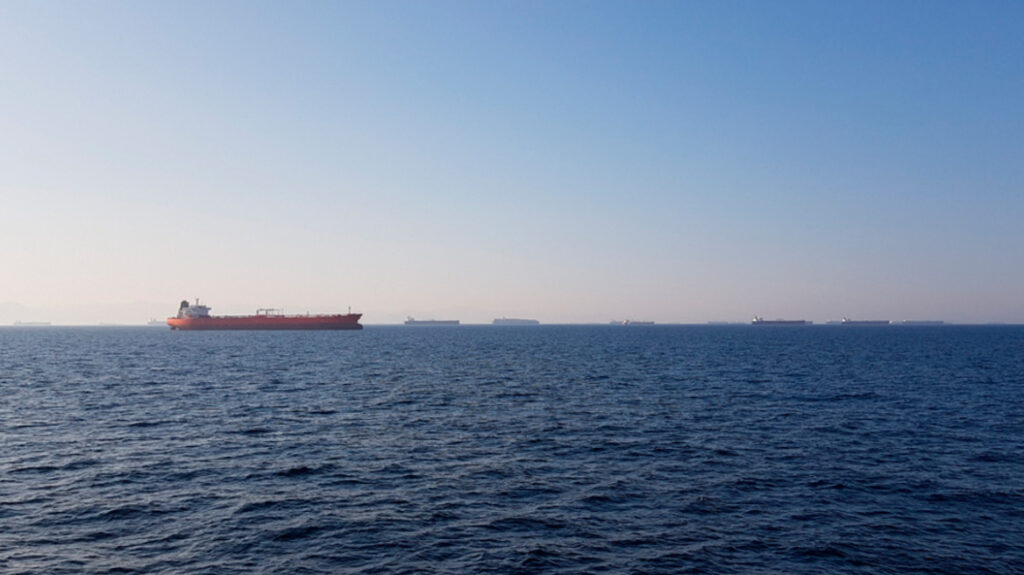
According to the same source, implementing the plan could also lead to the reopening of the Strait of Hormuz, one of the most important maritime routes for international energy transportation.
Strait of Hormuz: 15 ships passed in 24 hours
The Iranian news agency Fars, which is linked to the country’s Islamic Revolutionary Guard Corps (IRGC), reported earlier that 15 ships transited the Strait of Hormuz “with Iran’s permission” during the previous 24 hours.
It added that traffic remained 90% lower compared to the period before the war began.
Some Iranian officials, including Foreign Minister Abbas Araghchi, have repeatedly stated that the vital shipping route is not closed, but is only closed to “hostile countries.”
For example, yesterday Iran announced that Iraq is exempted from any restrictions it imposes, according to the spokesman for Iran’s Khatam al-Anbiya Central Headquarters.
Meanwhile, Iranian officials and parliamentarians have also raised the possibility of imposing transit fees on ships using the strait.
Earlier, an assistant to the Iranian President’s Office stated that the Strait of Hormuz “will reopen” when “part of the transit fees are used to compensate for all damages caused” by the war.