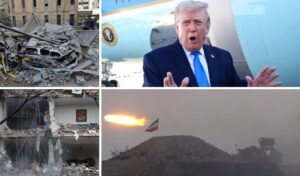
The negotiations between Iran, the United States and Israel are entering a critical phase, with Tehran presenting specific conditions for reaching an agreement. According to exclusive information from Israeli Channel 12, Iran is making demands concerning control of the Strait of Hormuz, restrictions on its nuclear program, and the future of American military presence in the region. These proposals form a complex framework that will determine the geopolitical balance in the Middle East.
Tehran’s key demands in the negotiations
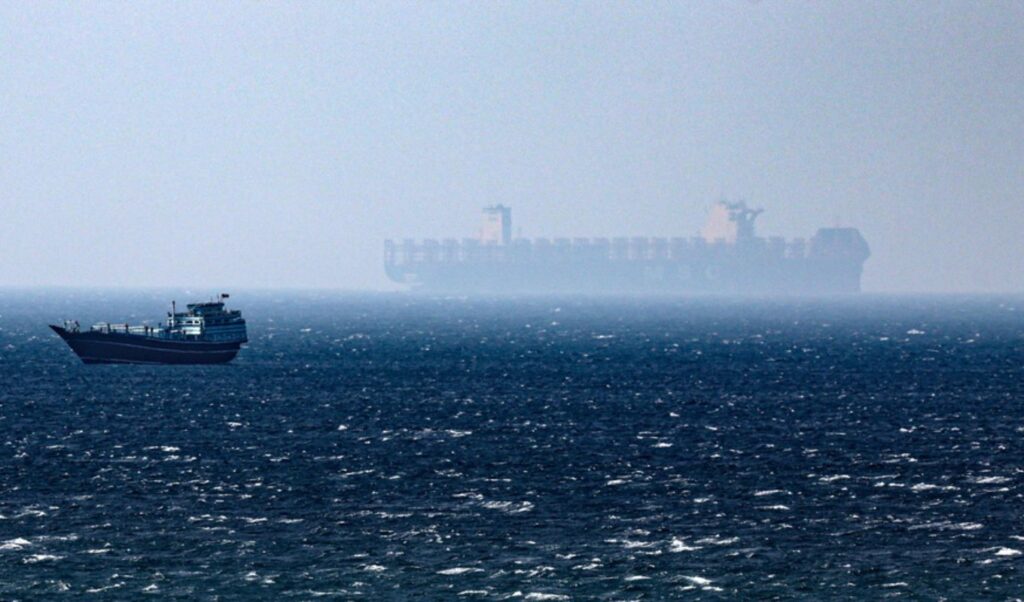
Iran has submitted a series of non-negotiable terms that form the basis for progress in the talks. A central point of the demands is the pursuit of control over the Strait of Hormuz, the vital maritime passage through which one-third of global oil trade passes. The proposal envisages a new agreement that would place this strategic area under Iranian supervision, a development that raises concerns in the international community.
At the same time, Iranian officials insist on closing all American military installations throughout the Middle East. This demand is accompanied by a request for financial compensation for damages caused during the conflict. Additionally, Iran seeks strong security guarantees that would prevent future hostilities and ensure stability in the region.
Concessions on nuclear program and ballistic missiles
Despite the tough stance on public demands, a second Channel 12 report reveals that Iran is considering specific concessions behind the scenes. According to sources from the American side, Tehran appears willing to freeze its ballistic missile program for a five-year period. This move is considered a significant retreat that could open the way for further discussions.
Regarding uranium enrichment, Iran shows willingness to impose restrictions on its activities. Specifically, Tehran could begin negotiations over its uranium stockpiles enriched to 60%, a level that dangerously approaches requirements for military use. Furthermore, there is a possibility that inspections by the International Atomic Energy Agency would be allowed at existing centrifuges, enhancing program transparency.
Cutting funding to regional armed organizations
Another critical element of the potential concessions concerns Iran’s stance toward its regional allies. Tehran is considering the possibility of ceasing funding to armed groups such as Hezbollah in Lebanon, Hamas in Gaza, and Iraqi militias. This commitment constitutes a significant demand from both the US and Israel, as these organizations are considered key factors of instability in the Middle East.
The complexity of the negotiations is reflected in the contrast between public demands and behind-the-scenes discussions. While Iran maintains a tough stance on issues such as control of the Strait of Hormuz and closure of American bases, it simultaneously shows flexibility on matters concerning the nuclear program and ballistic missiles.
Netanyahu’s position and agreement prospects
Israeli Prime Minister Benjamin Netanyahu revealed on Monday that he spoke with President Donald Trump, who sees an opportunity for reaching an agreement with Iran. According to the Israeli leader, Trump believes that the military achievements of the Israeli Armed Forces and the American military can be used as leverage to achieve war objectives through diplomatic means.
However, Netanyahu clarified that Israel remains determined to protect its vital interests regardless of the negotiations’ outcome. In a videotaped statement published by his office, the Israeli prime minister emphasized that military operations continue against both Iran and in Lebanon. Specifically, he mentioned that Israel is crushing Iran’s missile and nuclear program while severely striking Hezbollah.
Netanyahu also revealed that two more nuclear scientists were recently eliminated, emphasizing that Israeli forces remain on high alert. This statement demonstrates Israel’s dual approach, combining the diplomatic process with continued military operations.
Challenges and negotiation prospects
Iran’s conditions and potential concessions form a complex puzzle requiring balanced approaches from all sides. The Strait of Hormuz zone represents a critical point of disagreement, as any change in its control would directly affect international energy security. Meanwhile, the issue of American military bases is directly connected to US strategic presence in the Middle East.
The nuclear program and support for regional armed groups remain central security issues requiring substantial guarantees. Iran’s willingness to limit uranium enrichment and freeze the ballistic missile program could serve as the foundation for a broader agreement, provided it is accompanied by corresponding concessions from the American and Israeli sides.