The world faces the risk of experiencing the worst energy crisis in decades due to the war in the Middle East, warned Fatih Birol, director of the International Energy Agency (IEA) today, referring to a “major threat” to the global economy.
“To date, we have lost 11 million barrels per day, in other words more than the two previous oil crises combined,” Birol emphasized at the National Press Club in Canberra, referring to the crises of the 1970s.
“At the time, in each of the crises, the world had lost about five million barrels per day, or in other words, if we added both together, 10 million barrels per day,” Birol explained.
Also referring to the consequences of Russia’s military invasion of Ukraine in 2022, he added that “this crisis at this stage is equivalent to two oil crises and the collapse of the gas market combined.”
At least forty energy infrastructures have suffered “serious or very serious” damage due to the war in the Middle East for the 24th day, he continued.
“No country will be able to have immunity against the consequences of this crisis, if it continues on this path. It is therefore necessary to have action on a global scale,” Birol further estimated.
“The global economy faces a major threat and I hope (…) that the problem will be resolved as soon as possible,” he added.
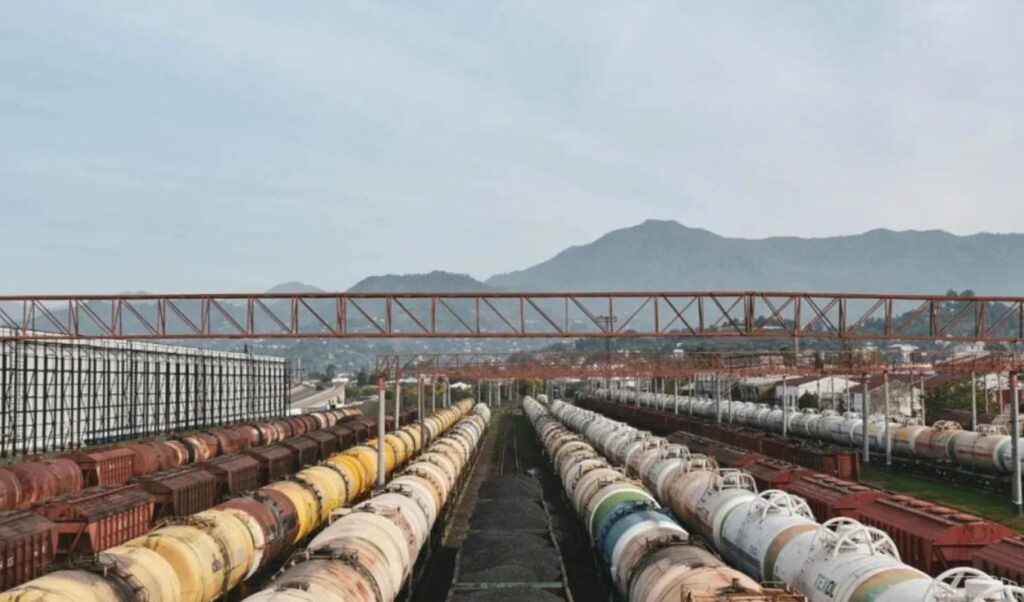
The Strait of Hormuz, through which 20% of global hydrocarbon production normally passes, has been essentially closed since the outbreak of the war that has set fire to the Middle East since February 28th — cargo transport has plummeted (-95%), according to analytics company Kpler.
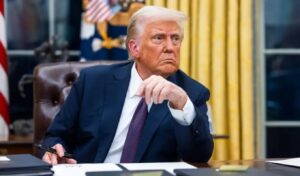
If Iran has not opened the strait by dawn, US President Donald Trump threatened to “bomb and destroy” Iranian power plants, “starting with the largest one.”
In retaliation for American-Israeli attacks, Iran is conducting retaliatory strikes against infrastructure, especially energy facilities, in Washington’s allied states in the region, and against ships moving in the Gulf, particularly those near the strait.
With the expectation of curbing the soaring prices of black gold, the US announced on Friday that it would allow, for one month, sales of Iranian oil carried by ships. However, Tehran countered that it has no surplus crude oil at sea.
APE-MPE