Some convergences and softening of differences, which had previously suggested a casus belli, appear to have emerged following the completion of talks in Geneva between American and Iranian officials. However, the question of whether the US will strike Iran does not appear to have been removed from the geopolitical chessboard, as American military forces are gathering in the Middle East and everything indicates that the objections are not limited only to the nuclear program, since the US appears to be encouraging the creation of fertile ground for the overthrow of the theocratic regime of Iran.
The current situation in the Middle East thus resembles shifting sand, with Gulf countries on heightened alert in case the US strikes during the weekend and Iranian retaliation follows. Israel is also in a state of readiness, as Tehran has posed a threat for some time with its aggressive actions. The big question at this moment is whether the side of the Iranian theocratic regime, Ayatollah Ali Khamenei, will accept American terms regarding nuclear weapons and the cessation of uranium enrichment.
US & Iran: When American strike could be avoided
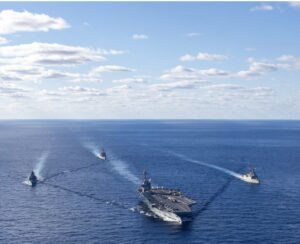
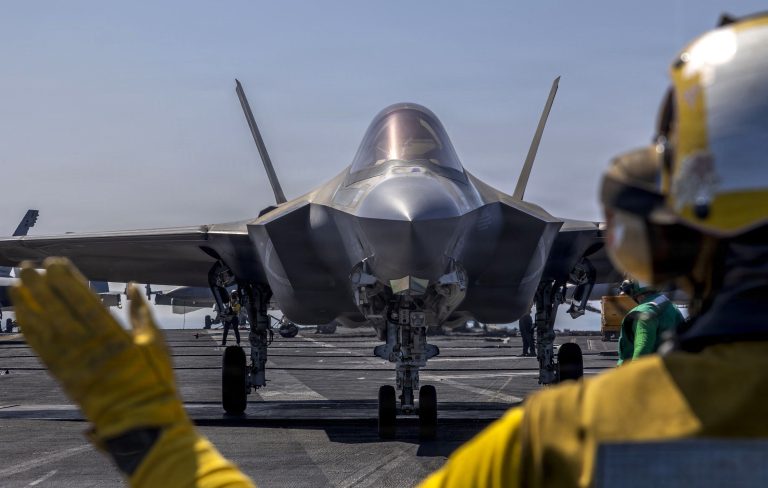
As international analysts write, the prospect of further talks could reduce the likelihood of Donald Trump implementing his plans for an attack against Iran. So far, however, Trump has ordered the largest American military buildup in the Middle East since the US invasion of Iraq in 2003, while Iran has committed to responding to a potential attack.
For decades, the US and Israel have accused Iran of trying to secretly develop nuclear weapons. Iran has repeatedly denied seeking to build a bomb and states that its program has exclusively peaceful purposes, although this country is the only non-nuclear weapons state that has enriched uranium to a level close to that required for weapons manufacturing.
According to Iranian state media, negotiators insisted that Iran has the right to peaceful use of nuclear energy and rejected US demands to completely stop uranium enrichment on Iranian soil and transfer its stockpile of 400 kilograms of enriched uranium outside the country.
However, it is estimated that Iranian officials offered to make concessions, although the proposals have not been made public. One of the options mentioned was to allow Iran to enrich uranium at minimal levels after a suspension of three to five years, under international supervision.
In exchange for the agreement, the Foreign Minister stated on Iranian television that negotiators requested the lifting of sanctions that have paralyzed Iran’s economy.
The next hours in the Middle East
It remains a puzzle whether Trump will choose a high-impact strike that would constitute a deep blow to the theocratic regime or whether he will follow a Venezuela-style policy, that is, whether – as in the case of Nicolás Maduro – he will choose a surprise move to remove an official.
According to assessments from military members cited by analysts, attacks can now be carried out “at any moment.” American preparations suggest that the military operation may be immediate, but also long-term.
Regarding the involvement of other Middle Eastern countries, since January, Saudi Arabia, Qatar and Oman, along with Turkey and Egypt, have engaged in intense diplomatic efforts to keep Washington and Tehran away from escalation. This is not exclusively due to their good relations with Tehran, but because they realize they will be on the front line of Iranian retaliation and the consequences that will follow in case of collapse of the Iranian regime.