Time is counting down for the start of negotiations between the United States and Iran, which will sit at the dialogue table tomorrow, Friday (6.02) in Oman, as both governments confirmed. The talks will take place in the morning hours, while Iranian Foreign Minister Abbas Araghchi and US President’s envoy Steve Witkoff are expected to be in Oman.
US and Iran begin dialogue on Friday
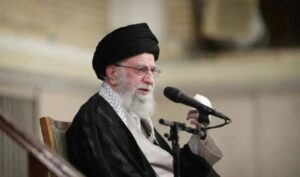
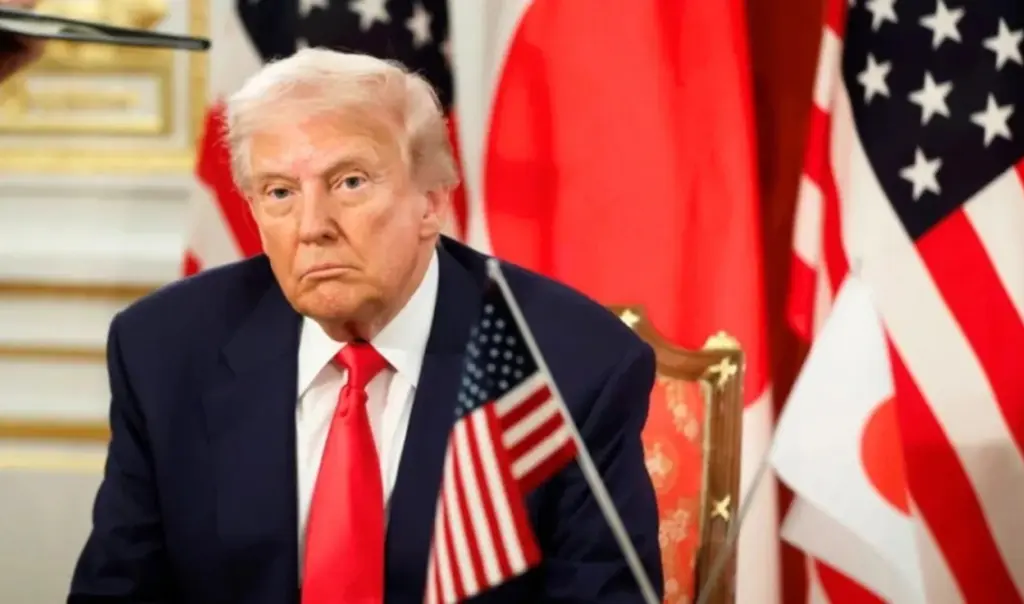
At the same time, Donald Trump continues to apply pressure, just days after sending a naval strike force and many other military assets, saying that Iran’s supreme leader, Ayatollah Ali Khamenei “should” be “very worried.” For his part, Iranian Foreign Minister Abbas Araghchi stated via platform “X”: “Nuclear talks with the US are scheduled to take place in Muscat at 10:00 AM (tomorrow) Friday,” after reports and statements from his American counterpart created doubts about whether negotiations would actually take place.
The US president threatens to order a military operation if Iran does not accept a series of American demands, which are not limited to the country’s nuclear energy program issue. As he said in an interview broadcast by NBC News, when asked about the Iranian leader: “I think he should be very worried right now. As you know, they are negotiating with us.”
Furthermore, Trump claimed that Iranian authorities are considering the possibility of creating a new nuclear facility, following US strikes in June 2025 against 3 key facilities. “They were thinking of opening a new facility, somewhere else in the country,” he said, adding: “we discovered it and I told them, if you do this, we will make you suffer very harsh consequences.”
“We are ready”
Yesterday, Wednesday (4/02) US Secretary of State Marco Rubio cast doubt on whether talks with Iran would actually take place, stating “We thought an approved forum had been created in Turkey. It had been created by various partners who wished to participate (…) Yesterday I saw contradictory information from Iran’s side, saying they did not agree to this. The issue is therefore still under discussion.”
“If the Iranians want to meet with us, we are ready,” declared the head of American diplomacy during a press conference. Iranian Foreign Minister Abbas Araghchi will lead the Iranian delegation, according to Tehran while the US is expected to be represented by President Trump’s envoy for sensitive diplomatic missions Steve Witkoff.
Threats from Tehran
Threats alternate with openings to dialogue after the bloody suppression of mass mobilizations in Iran in January, Washington and Tehran, while other governments attempt mediation to de-escalate tensions.
Tehran has repeatedly emphasized that the talks must be strictly limited to the issue of Iran’s nuclear energy program, rejecting any negotiation on its ballistic missile manufacturing program and more broadly on its defense capabilities. For his part, Marco Rubio insisted categorically: “for negotiations to really achieve something substantial, they must include certain elements, particularly the range of their ballistic missiles, their support for terrorist organizations in the region, their nuclear program and the treatment of their own people.”
More than 10 warships were sent by Washington to the Gulf, including the aircraft carrier USS Abraham Lincoln, while Tehran has threatened to strike US Navy vessels and American bases in the region if it comes under attack. The American president keeps his cards close to his chest, as he has given no indication of the scope and purposes of a possible American military operation in case of negotiation failure. He could order targeted strikes against infrastructure or a much broader campaign to overthrow the Islamic Republic, which was established in 1979. In Iran, social media reopened -after 3 weeks of internet blackouts- and filled with messages paying tribute to protesters who were killed.