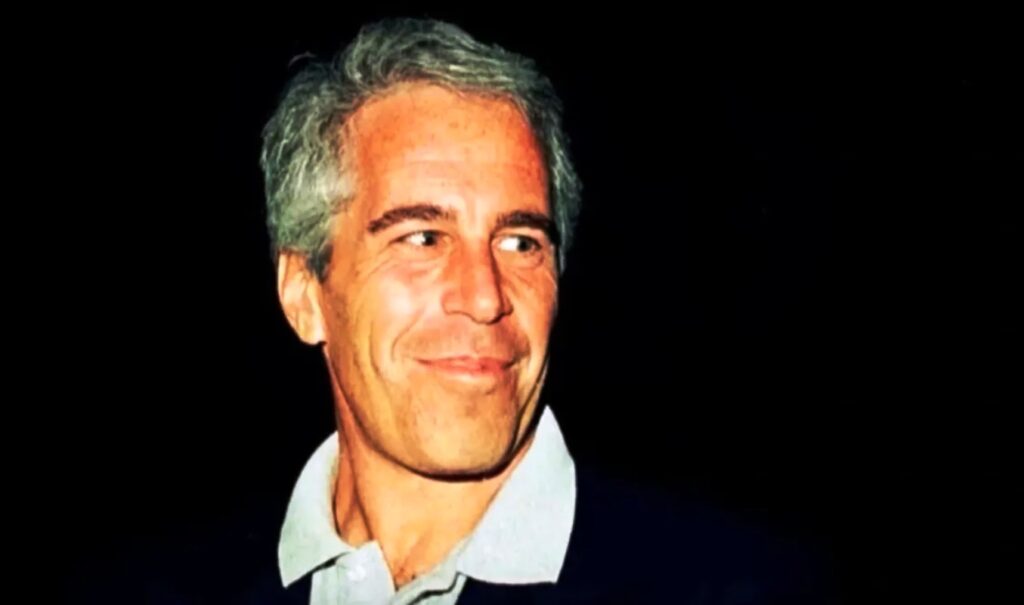
At least three million documents from the notorious Epstein files were released to the public on Friday, following a decision by the United States Department of Justice. This development comes after years of pressure and questions surrounding what exactly is contained in the files relating to the financier and convicted sex offender Jeffrey Epstein. American officials had repeatedly stated that less than 1% of the files related to Epstein had been made public until now. As they explained, the delay was due to the particularly demanding work of reviewing thousands of pages, as well as the need to redact sensitive personal information concerning survivors and victims of the case.
Epstein files and cover-up allegations
This multi-year delay, however, did not come without political cost. Congressmen and senators expressed strong concern and frustration, accusing the Department of Justice of foot-dragging. Some even argued that the delay was aimed at removing or concealing information that could relate to American President Donald Trump. These allegations reinforced the sense that the Epstein files constitute politically explosive material, with potential implications beyond the criminal aspect of the case. The release of millions of documents is viewed by many as an attempt to close a cycle of questioning and provide answers about what American authorities knew and when. For his part, Deputy Attorney General Todd Blanche categorically denied allegations of political cover-up. He emphasized that the process was time-consuming exclusively due to the need to protect victims and comply with legislation, stressing that no information was removed for political reasons. Despite the denials, the massive release of the Epstein files is expected to reignite public debate and trigger new political and social reactions in the United States.