The signs emerging from the Ukraine front in recent hours are being interpreted as encouraging, as following an appeal by the American president to stop the gunfire, smoke from bombardments did not rise above the cities in the war zone. For a few hours, the parties involved in the four-year war decided to implement a ceasefire until February 1, with Moscow accepting Trump’s request following American pressure and hoping that Sunday’s talks in Abu Dhabi will succeed. Success translates to easing differences and finding more common ground, which may still be difficult since the Kremlin insists on annexing 20% of Ukraine’s territory. However, Kyiv appears to reject this term despite previous reports suggesting possible concessions in exchange for substantial reconstruction aid.
It’s important to note that the bombardments were “frozen” briefly after Russia had launched a barrage of missile attacks on Ukraine’s energy infrastructure. These strikes are considered crucial as they significantly weaken the country’s power by causing blackouts, driving citizens into chaos amid freezing temperatures, and intensifying problems even further.
Ukraine war: Scenarios in case of ceasefire violation
If the temporary ceasefire is violated and a new round of exchanges begins, peace efforts risk falling into absolute void, with the distance growing between Moscow and Kyiv, Zelensky making new requests for military aid from Europe, and Trump pressuring Kyiv to back down from its red lines.
What’s significant for now is that Ukraine experienced a quiet night – by the standards of the four-year war – after Donald Trump stated that his Russian counterpart agreed not to attack Kyiv and “various cities.” The Kremlin confirmed it agreed to stop attacks on Kyiv until Sunday to “create favorable conditions” for peace talks.
Ukrainian authorities expected a major attack this weekend, but if this doesn’t happen, it could signal a significant step for US efforts to end the war.
Kremlin spokesperson Dmitry Peskov said earlier that Putin ordered the suspension of attacks on Kyiv “for one week, until February 1,” following Trump’s personal request. This week there were 530 air raid alerts in Kyiv, but so far no new attacks on electricity or heating infrastructure vital for maintaining temperature have occurred.
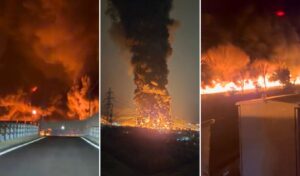
Ukraine had recently targeted oil depots and refineries within Russia in an attempt to limit its ability to finance the invasion.
Meanwhile, Kyiv residents who spoke to the BBC expressed skepticism about the agreement between Trump and Putin.
“I don’t believe Putin will stop even for a week,” said Olena. “We’ve seen so many talks and agreements, but nonetheless, he continues doing whatever he wants,” she added.
Her words reflect the struggle during wartime: “We recently survived -20°C temperatures and if air raids decrease even slightly, we’ll get through next week too.”