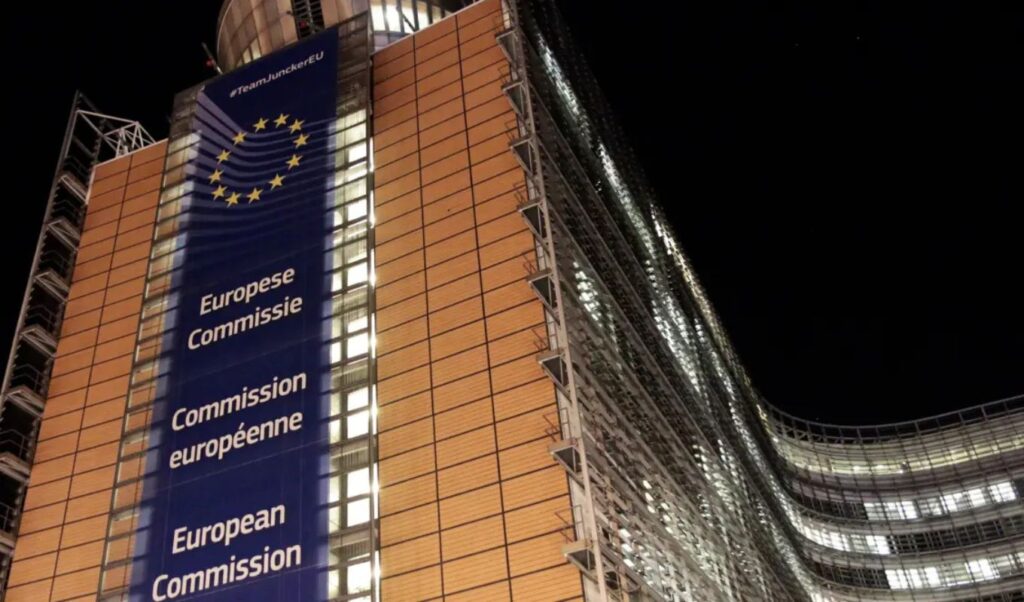
The European Commission has approved the national defense plans of eight EU member states, including Greece, under the European financing instrument SAFE (“Security Action for Europe”). According to the Commission’s announcement, following a “rigorous assessment” of the National Defense Investment Plans, a proposal for financial support approval has been submitted to the EU Council for Estonia, Greece, Italy, Latvia, Lithuania, Poland, Slovakia, and Finland.
The EU Council has a four-week deadline to review and give final approval to the plans. Once the “green light” is given, the European Commission is expected to proceed with the first disbursements in March 2026.
In mid-January, the Commission had already approved the first eight national defense plans (for Cyprus, Bulgaria, Romania, Croatia, Belgium, Denmark, Spain, and Portugal). Of the nineteen countries participating in the SAFE instrument, plans for sixteen countries have been approved so far, and the Commission continues to evaluate the plans of France, Hungary, and the Czech Republic.
It should be noted that in September 2025, the Commission approved the provisional allocation of SAFE funds, totaling €150 billion. For Greece, an amount of €787.67 million was approved, compared to the €1.2 billion it had requested in late July.
The SAFE regulation was issued on May 27, 2025, as part of the ambitious package of measures to strengthen EU defense – “Readiness 2030”. SAFE will enable member states to immediately and massively increase their defense investments through joint procurement from the European defense industry. Ukraine and EFTA/EEA countries will be able to participate in joint procurement and purchase from their industries. SAFE will also allow accession countries, candidate countries, potential candidate countries, and countries that have signed security and defense partnerships with the EU to participate in joint procurement and contribute to overall demand. They can also negotiate specific, mutually beneficial agreements regarding the participation of their respective industries in these public contracts.