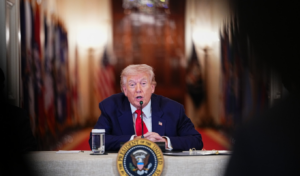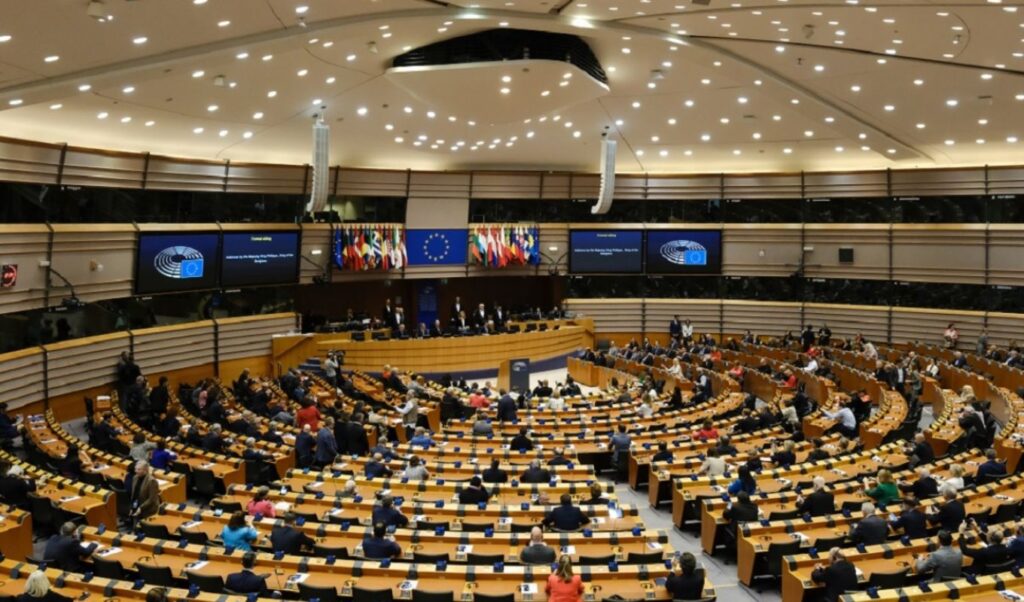
Amid increased volatility in transatlantic relations, European Union-United States relations are occupying the emergency European Council convening in Brussels. The European Council’s agenda includes the issue of Greenland, potential trade threats against EU member states, as well as broader security and geopolitical issues, such as Ukraine and Arctic security.
According to a senior EU official, after one year of the new American administration, 2025 has been characterized by a new tone, new policies and a different US stance in many areas. For its part, the EU has moved with the goal of stabilizing the relationship within a framework of mutual benefit. Regarding the “lessons” from recent developments, the urgent need to accelerate the agenda for “EU strategic autonomy” is confirmed once again, while according to a senior EU official, the reaction of member states was swift, coordinated and calm, with clear and consistent messages.
Greenland: The issue that’s destabilizing the climate between US & EU
Regarding Greenland, it is acknowledged that open issues remain. It is recalled that in a recent briefing by the NATO Secretary General, it became known that in a conversation with the US president, a two-pronged approach was agreed upon: On one hand, bilateral dialogue between the US, Greenland and Denmark within the framework of the existing defense agreement, and on the other hand, strengthening NATO’s role in Arctic security.
The EU declares full solidarity with Denmark. The fact that the US president clarified that there is no question of military threat against Greenland is characterized as a positive element.
In the field of trade, the EU declares itself ready to react if the threats are confirmed, something that has not happened so far. At the same time, it is emphasized that there is an EU-US trade agreement, while the Union remains on standby for any eventuality.
Regarding Donald Trump’s so-called “Board of Peace,” EU officials clarify that the issue will be raised within the framework of the overall discussion on transatlantic relations. Several member states have received invitations to participate, however the vast majority of European leaders have already made it clear that they do not intend to participate.