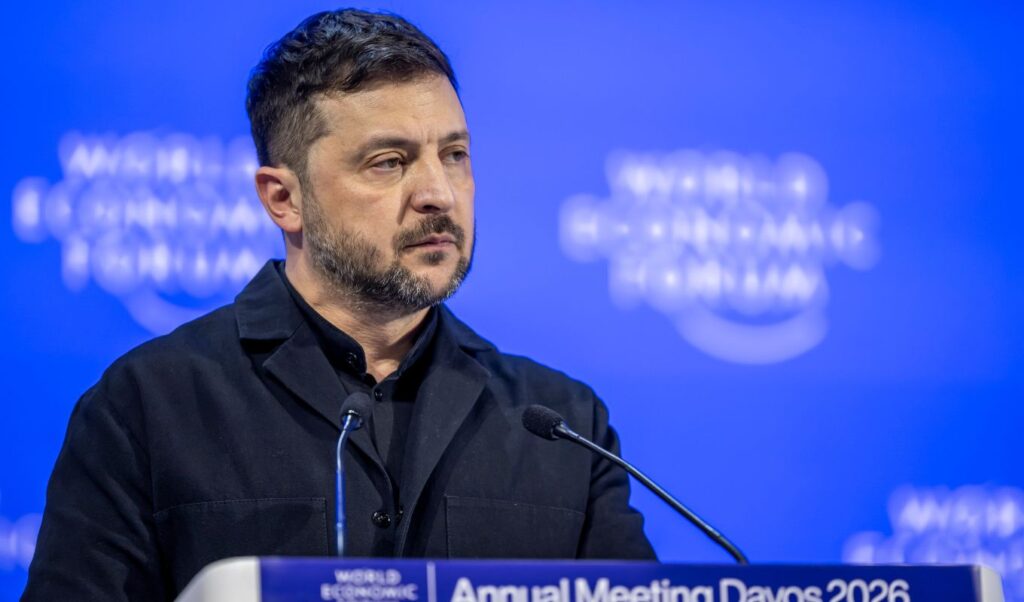
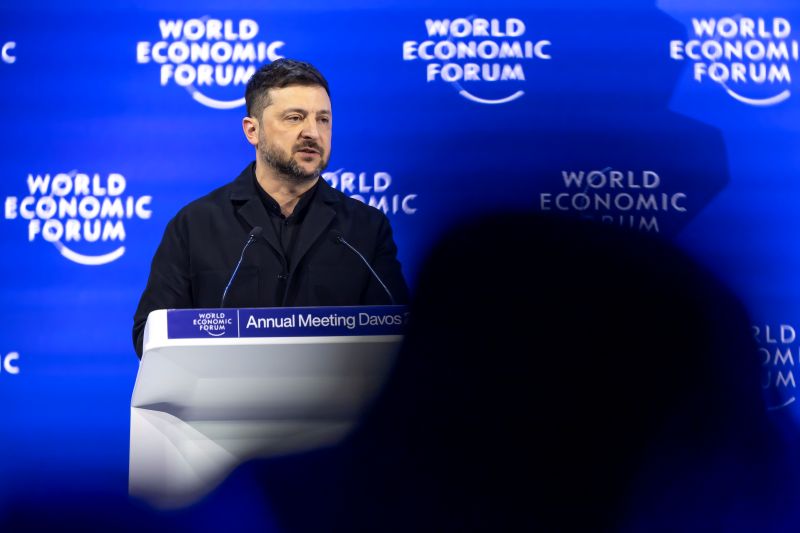
Volodymyr Zelensky’s speech at the World Economic Forum in Davos sounded like a farewell address. Like an employee who gets fired from a company and lashes out at their supervisors, Zelensky blamed the European Union for the recycling adverse situation Ukraine finds itself in. He said that Europe “looks like geography, history and tradition, but not like real political power or a great power.” The President of Ukraine stood before the attendees of the World Economic Forum and avoided pleasantries. He emphasized that he sees no progress on his country’s issue: “And yet, this is exactly what is happening to us today: the same thing is repeated for weeks, months and, of course, for years.”
Zelensky spoke about internal conflicts and enemies of Europe within its gates. He targeted Hungary’s far-right leader, Viktor Orbán, saying: “Everyone sees that the forces trying to destroy Europe operate freely, even within Europe. Every Viktor who lives off European money while trying to sell European interests deserves a slap in the head and if he feels comfortable in Moscow, that doesn’t mean we should let European capitals become like Moscow.”
Zelensky: Beautiful but fragmented kaleidoscope
“Don’t do this, don’t do that” Zelensky said are the signals he receives from his allies. Furthermore, he commented that “nothing has changed” in what he asked for a year ago, namely that “Europe must know how to defend itself.” He emphasized that new challenges each new year distract attention, while there are permanent and substantial security problems. “Europe loves to discuss the future, but avoids taking action today, action that will determine the kind of future we will have.”
He continued, claiming that “they often tell me not to mention Tomahawk missiles to the Americans so as not to spoil the mood, not to mention Taurus missiles and to be careful when talking to Turkey and Greece.” “In Europe, there are endless internal conflicts and things left unsaid, which prevent Europe from uniting and speaking honestly enough to find real solutions. And very often, Europeans turn against each other, leaders, parties, movements and communities, instead of uniting to stop Russia,” he said.
He characterized it as “a beautiful but fragmented kaleidoscope of small and medium powers.” He commented on the mindset mistake that makes leaders not always defend real European interests. “Some Europeans are really strong, it’s true, but many say we must remain strong, and they always want someone else to tell them how long they must remain strong, preferably until the next elections.”
“What happens if it’s not forgotten?”
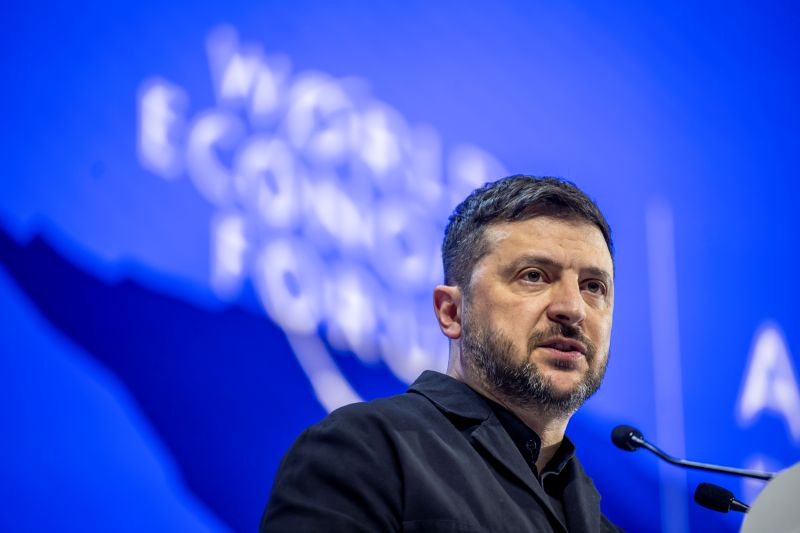
He also criticized the European Union’s behavior on issues not related to his own, such as that of Greenland. He emphasized that EU leaders are waiting for the storm to pass, while no way of managing it has been outlined: “It’s obvious that many are just waiting for US interest to wane, hoping the issue will be forgotten.” However, he wondered: “But what if it’s not forgotten? What happens then?“
He also spoke about Iran. He said that the rest of the world… was watching Christmas and New Year while protests were being drowned in blood: “much was said about the protests there, but they were drowned in blood, as the world did not help the Iranian people enough, since everyone was busy with Christmas and New Year celebrations.” “When politicians returned to work and began to form their position, the Ayatollah had already killed thousands of people. And what will Iran become after this bloodshed? If the regime survives, it will send a clear message to every tyrant: kill enough people and you will stay in power.”
He then warned that Russia “is trying to freeze the Ukrainians” in temperatures of -20 degrees Celsius and says that, despite sanctions, it continues to receive support from its partners in Europe, as it finds ways to circumvent the sanctions. “Europe says almost nothing. America says nothing and Putin builds missiles. It helps Ukraine in every way, but says ‘wouldn’t it be cheaper and easier to cut Russia off from the components it needs to produce missiles or even destroy the factories that manufacture them?'”