The United States is once again increasing pressure on Mexican authorities, demanding permission for American armed forces to conduct joint operations on Mexican soil to destroy fentanyl production laboratories, according to a New York Times report citing officials from Donald Trump’s administration.
As the newspaper reports, Washington is seeking the participation of American troops – either special forces members or CIA agents – in raids alongside Mexican forces, targeting laboratories where the extremely deadly fentanyl is believed to be produced.
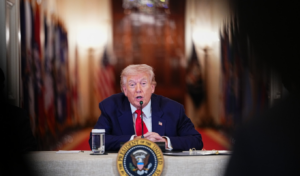
This pressure is part of the broader doctrine of the Trump administration for confronting drug cartels, which the American president himself has accused of “governing” Mexico.
In an interview with Fox News last week, Donald Trump argued that cartels control the country and implied that the US could even proceed with ground strikes to combat them. He has made similar threats in the past regarding Venezuela as well as Colombia.
Firm rejection from Mexican government to US military intervention
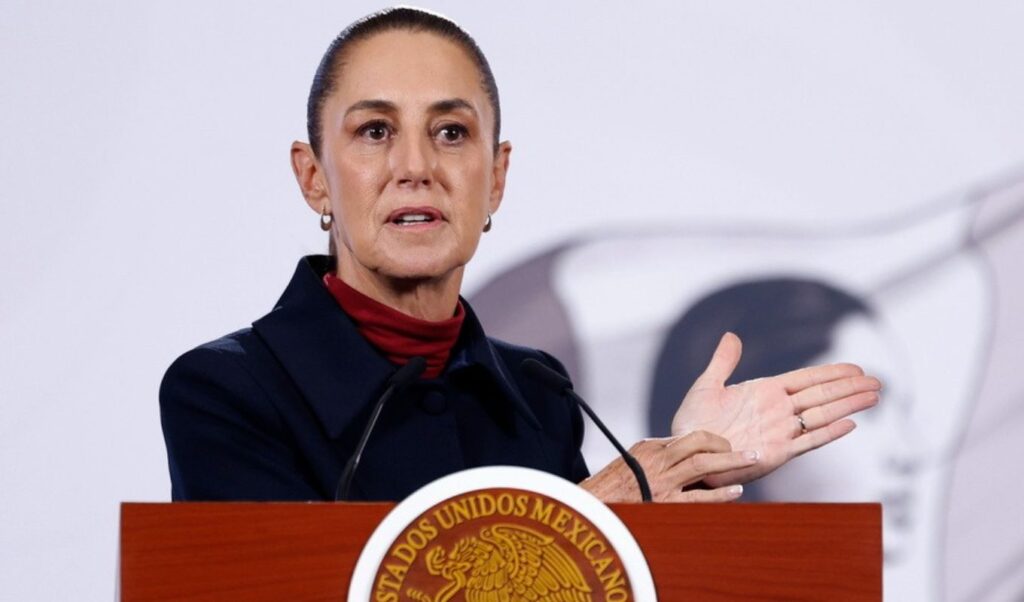
For her part, Mexican President Claudia Sheinbaum reiterated this week that she categorically rules out any intervention by the American military on Mexican territory to combat drug trafficking, even after a “good conversation” she had with her American counterpart. Sheinbaum has repeatedly rejected the possibility of US military action in Mexico, while declaring support for bilateral cooperation on security issues and combating cartels.
The connection to the Caracas operation
According to the report, American pressure intensified after the US military operation on January 3rd in Caracas, which – according to the same sources – led to the arrest of Venezuelan President Nicolás Maduro.
Reuters agency notes that it was not in a position to immediately verify the information in the report. Neither the White House nor Mexico’s Foreign Ministry responded immediately to requests for comment.
The issue is expected to cause new tensions in Washington-Mexico relations, as it directly touches on the country’s national sovereignty and the limits of bilateral cooperation in the “war on drugs.”