While Iran continues to witness ongoing protests and rising death tolls, the question of US military intervention in the Asian country has fundamentally shifted. The question is no longer whether the American military will intervene, but when. Reuters reports the conviction of two European officials that military intervention in Iran is likely. One of them even estimated it could happen within the “next 24 hours.” An Israeli official added mystery to the timeline, admitting that while the decision to intervene has been made, neither the timing nor the scale of intervention has been determined.
Iranians had ruled out American intervention until Sunday, January 11. They emphasized that the US wouldn’t dare proceed with such action, fearing defeat. However, since Monday, January 12, the rhetoric has shifted and diplomatic discourse has become purely military. Any potential American attack on Iranian cities would result in “strikes on American bases.” Moves from Washington indicate these threats are being taken seriously by Donald Trump’s administration, as he was reportedly briefed by officials on available options while continuing to weave American intervention and warning Iran’s theocratic government not to execute another protester.
Iran: Who has left American bases
From Iran’s perspective, if they fear Trump’s threats, it’s not apparent at this point. Over 2,000 deaths are estimated in the past 18 days in Tehran and other cities. However, one name currently dominates attention: “Erfan Soltani”, a 26-year-old arrested nearly a week ago on January 8 and condemned as an “enemy of God” and sentenced to death. This protester’s execution is primarily what the US President is addressing, with the White House emphasizing it will be very difficult to prevent.
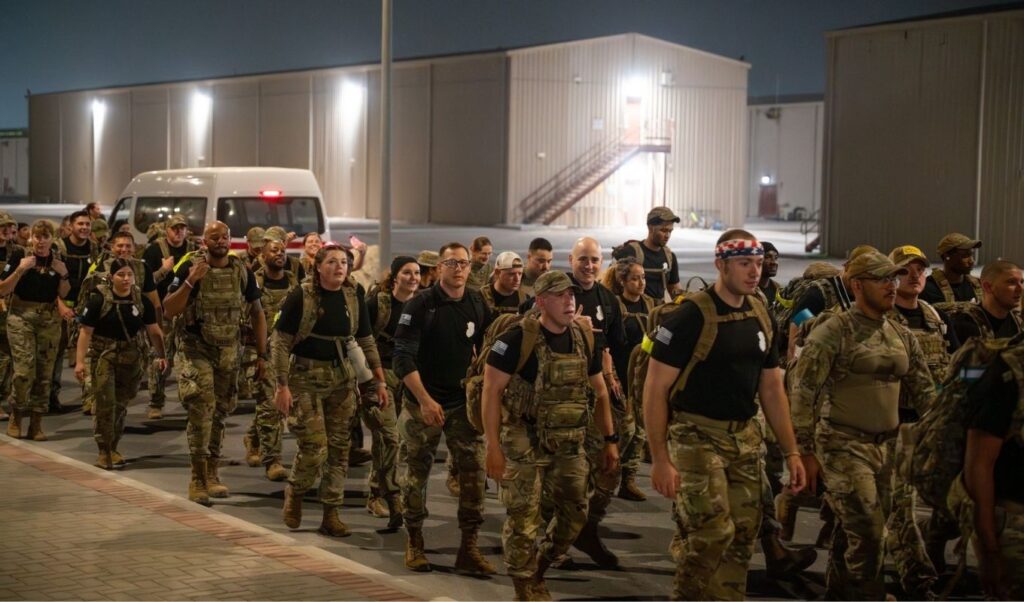
Americans are therefore evacuating their military bases. This move responds to Iran’s threats of retaliation should the US intervene militarily. The conclusion is that by ordering soldiers to withdraw, a strike is imminent – and they want to ensure their safety.
Reports indicate orders were given to hundreds of soldiers at Al Udeid Air Base in Qatar to leave. Trump ordered “get out” rather than “abandon,” partly to highlight urgency and partly because that’s his typical language. The air base in the Gulf state is the largest US facility in the Middle East. NBC News hosts statements from two informed sources. According to them, military personnel stationed at Qatar’s air base have already moved to other facilities and hotels within the state. However, the order doesn’t only concern this specific location, as Reuters reports, but others that haven’t been disclosed, likely because they don’t want Iran to know which soldiers have left, from where, and where they’ve gone.
Genuine concern
The method of troop relocation isn’t known, but it doesn’t follow last spring’s pattern when, fearing missile attacks that Iran eventually carried out, countless soldiers were moved to shopping centers and football stadiums. The Qatar air base houses not hundreds but thousands of soldiers, raising questions about what would happen if orders came to evacuate completely. The same questions must arise regarding the transfer of materials from high-importance aviation and administrative infrastructure at the base.
These specific actions weave the palimpsest of a militarily catastrophic situation and reveal US concerns about the consequences of intervention in Iran. An intervention that now seems almost certain to occur.