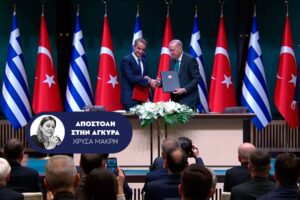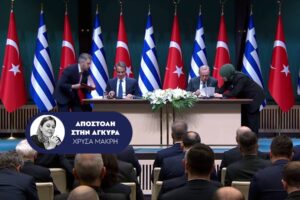
“Turkey and Greece agreed to deepen their cooperation for the sustainable management of waters in the Maritsa/Evros river basin, strengthening resilience against the impacts of climate change. In this context, the two countries decided to reactivate the ad hoc Joint Committee established under the Joint Declaration of the Minister of Environment, Energy and Climate Change of the Hellenic Republic and the Minister of Environment and Forests of the Republic of Turkey, which was signed in Athens on May 14, 2010, with the aim of ensuring the protection and sustainable use of the Maritsa/Evros river. The two sides also expressed their joint commitment to addressing the impacts of floods in the Maritsa/Evros river basin, in cooperation with the other riparian state” was highlighted – among other things – in the joint declaration reached by Turkey and Greece after the completion of the 6th High-Level Cooperation Council and the talks between Kyriakos Mitsotakis and Recep Tayyip Erdogan.
“Both sides reiterated that expanded bilateral cooperation, with full respect for international law, including the UN Charter, will further strengthen regional peace, stability and prosperity and will boost the economic development of the region” the joint declaration states. “Turkey and Greece reaffirmed their commitment to improving effective channels and communication mechanisms at all levels, as well as to eliminating unjustified sources of tension, in order to avoid potential escalation and related risks for the successful management of their bilateral relations” it adds.
Mitsotakis & Erdogan meeting: What the joint declaration states
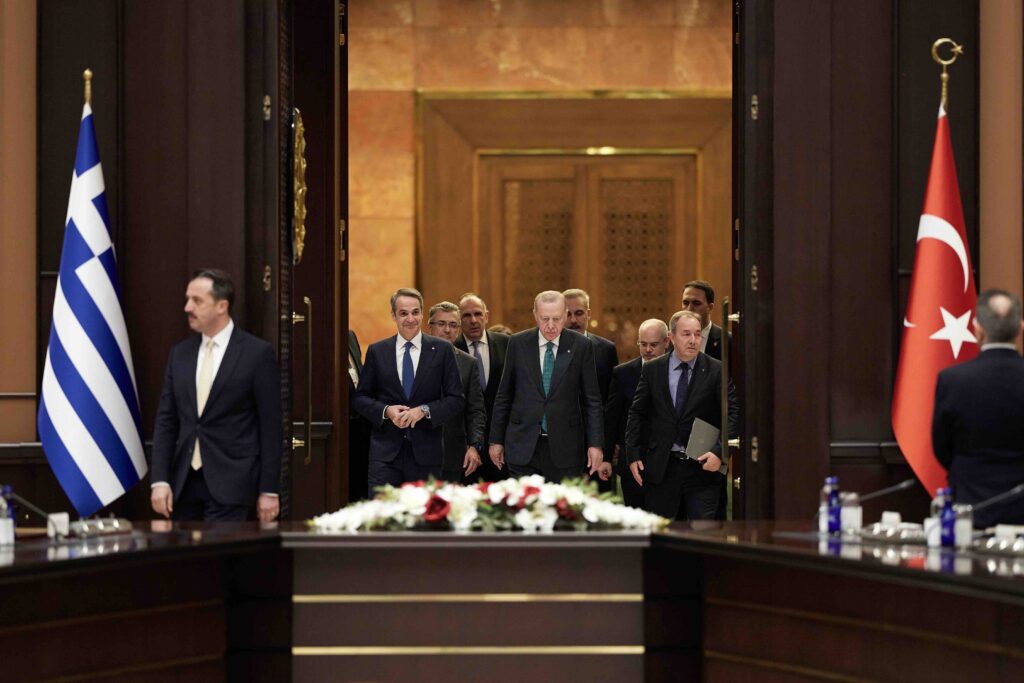
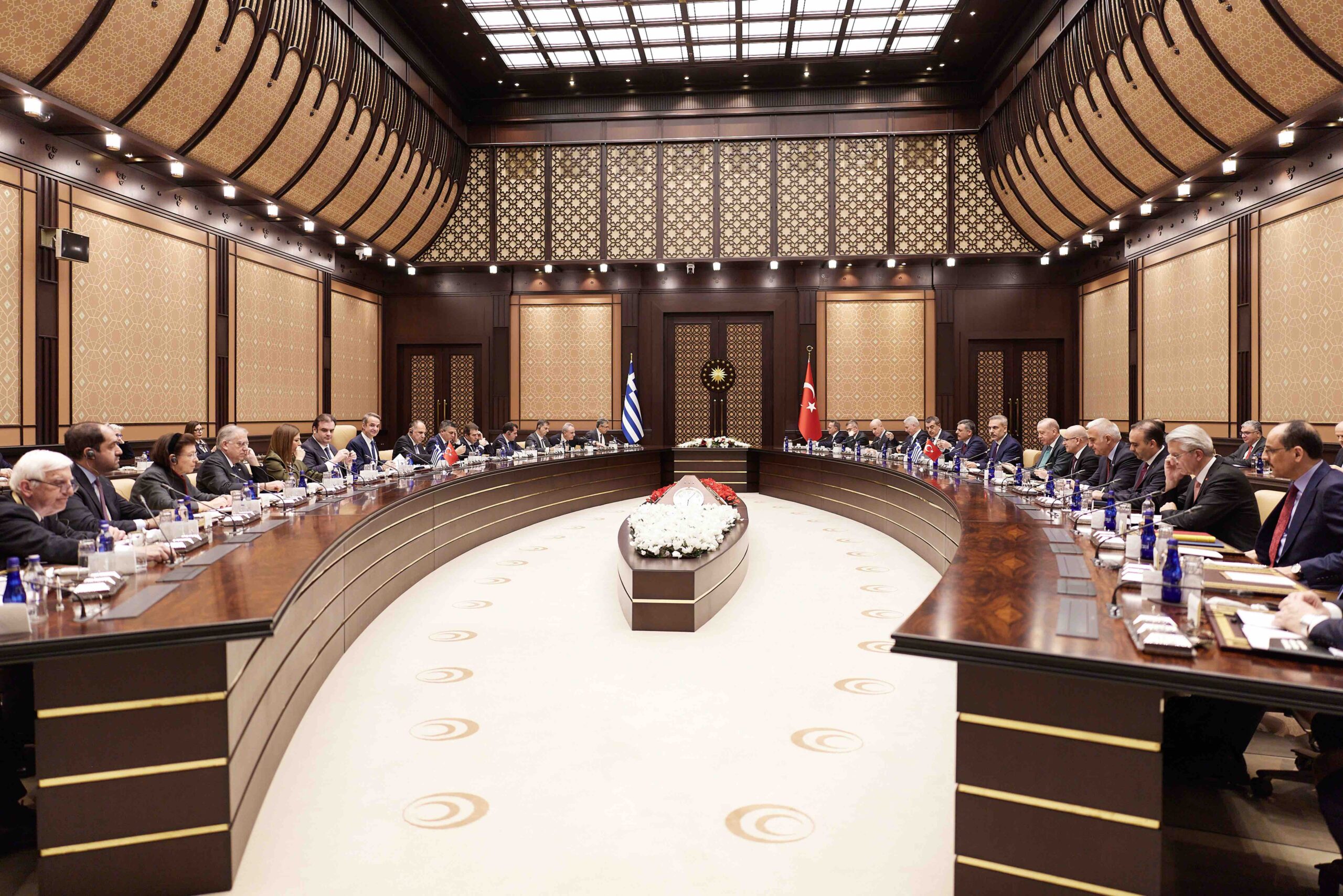
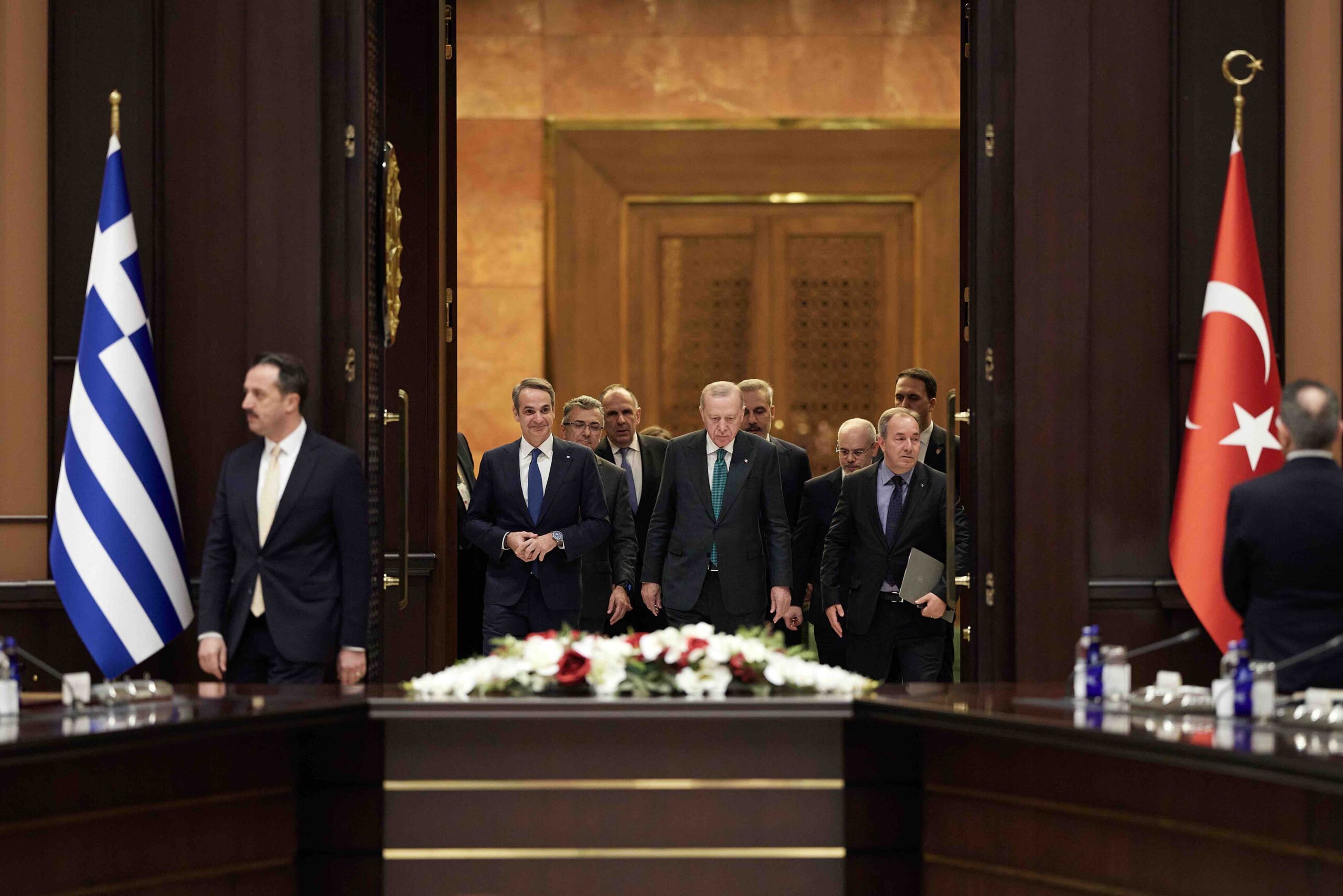
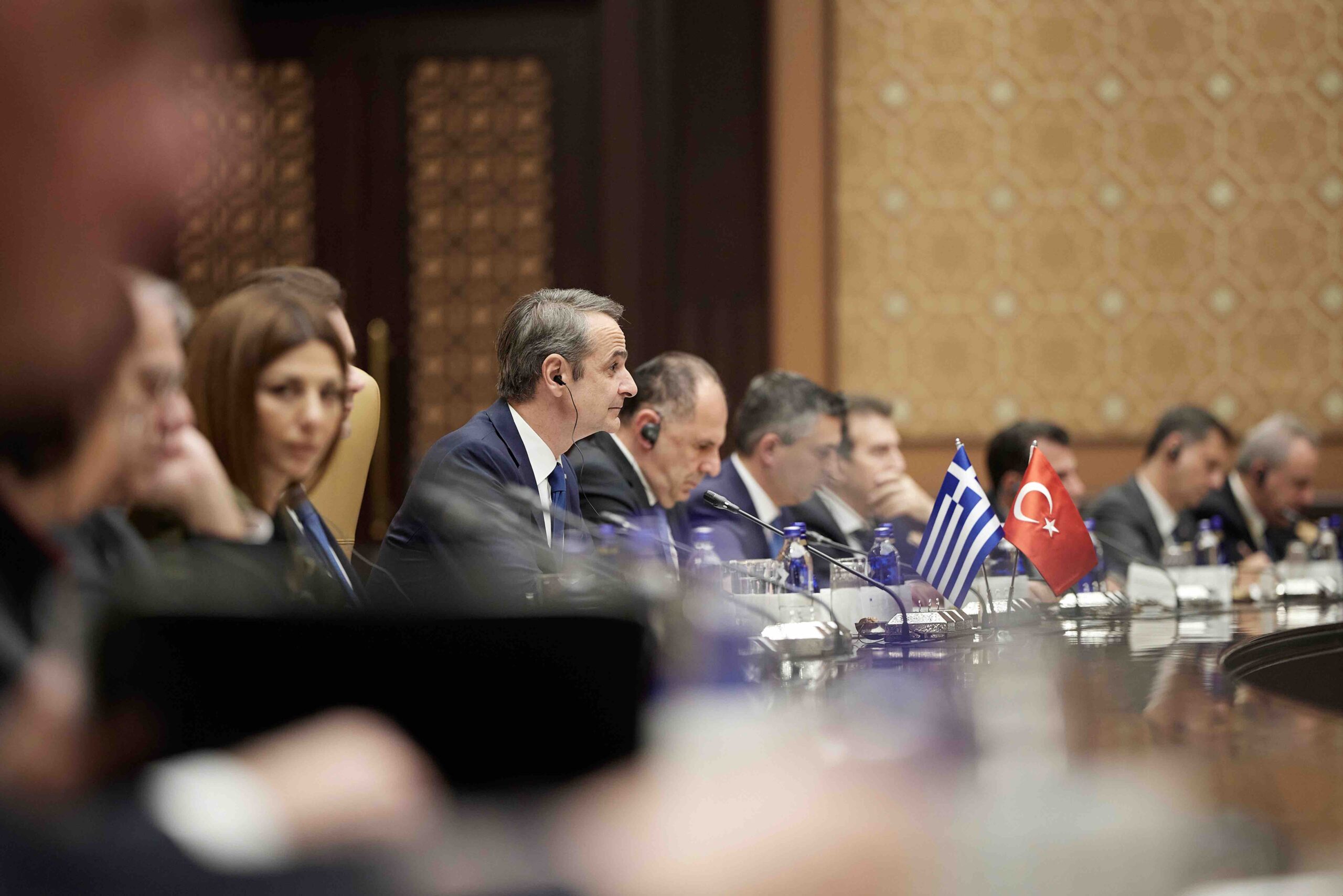
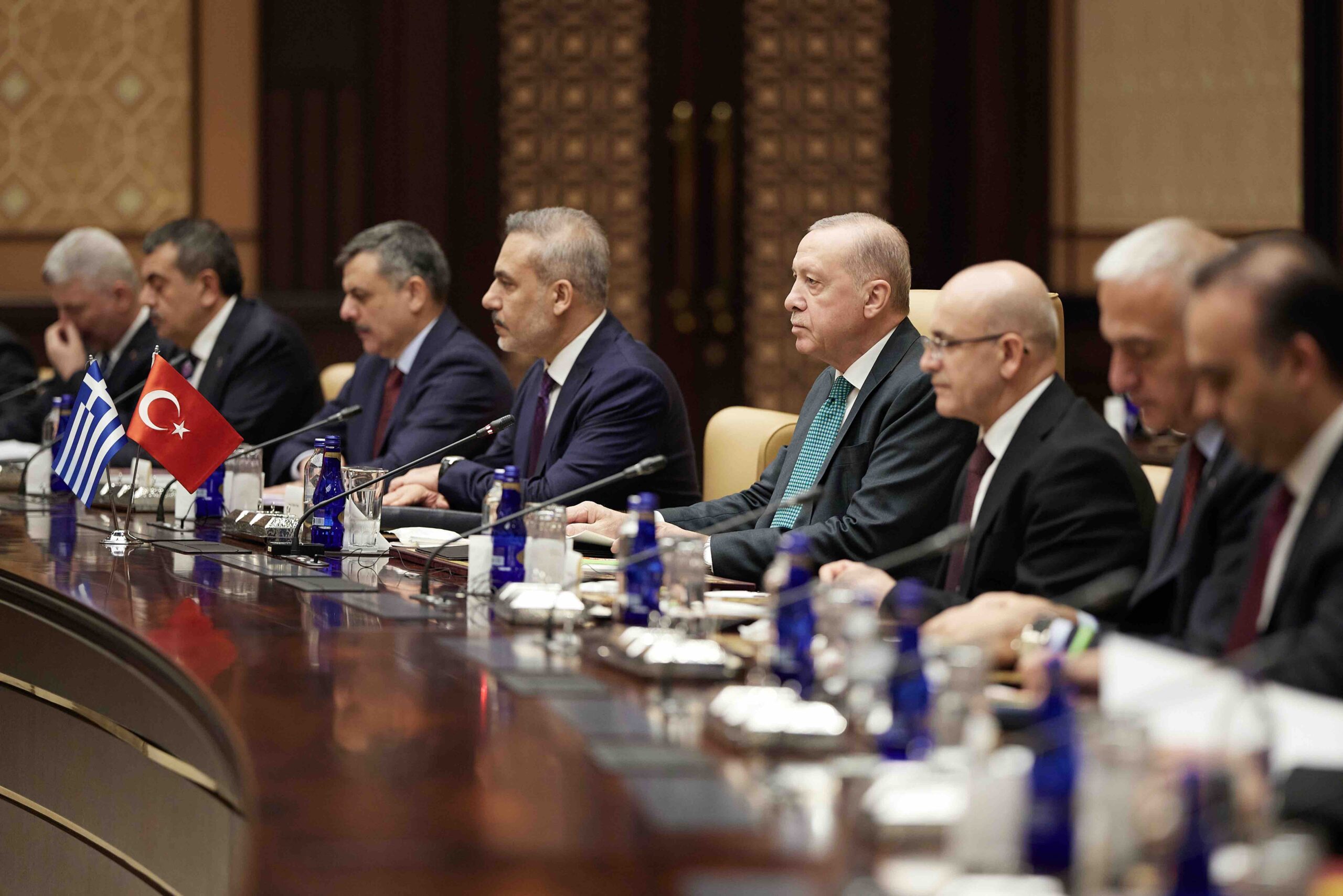
“The President of the Republic of Turkey, Mr. Recep Tayyip Erdogan, and the Prime Minister of the Hellenic Republic, Mr. Kyriakos Mitsotakis, met in Ankara on February 11, 2026, within the framework of the 6th Session of the High-Level Cooperation Council between Turkey and Greece. The two Leaders co-chaired the sixth Session of the High-Level Cooperation Council, with the participation of the Foreign Ministers as coordinators, as well as the Ministers responsible for Treasury and Finance/Economy and Finance; Interior/Migration and Asylum, Citizen Protection, Climate Crisis and Civil Protection; Culture and Tourism/Culture; National Education/Education, Religious Affairs and Sports; Industry and Technology/Development, Infrastructure and Transport; and Trade.
The two Leaders noted the following:
Turkey and Greece re-emphasized that they are determined to cultivate relations of friendship and good neighborliness, mutual respect, peaceful coexistence and understanding, in accordance with the “Athens Declaration on Relations of Friendship and Good Neighborliness,” which was signed on December 7, 2023 in Athens, during the 5th Session of the High-Level Cooperation Council. The two countries are committed to further promoting bilateral relations and expanding areas of cooperation.
Turkey and Greece reaffirmed their commitment to improving effective channels and communication mechanisms at all levels, as well as to eliminating unjustified sources of tension, in order to avoid potential escalation and related risks for the successful management of their bilateral relations.
Both sides reiterated that expanded bilateral cooperation, with full respect for international law, including the UN Charter, will further strengthen regional peace, stability and prosperity and will boost the economic development of the region.
In light of the increase in bilateral trade volume and economic cooperation, the two countries agreed to further strengthen their trade ties and achieve the goal of $10 billion in bilateral trade volume by the end of the decade. To this end, they committed to intensify cooperation between their respective business communities, with particular emphasis on the activities of the Greek-Turkish Joint Business Council, as well as other related business associations and investment promotion organizations of the two countries.
Turkey and Greece welcomed the continuation of the temporary visa regime for short-stay Schengen visas, aimed at facilitating tourist visits by Turkish citizens to twelve Greek islands in the Aegean.
Turkey and Greece confirmed that, beyond the existing bilateral cooperation to combat irregular migration, the trilateral cooperation mechanism, which also includes Bulgaria, has yielded positive results. The two countries emphasized the importance of continuing and further strengthening cooperation in this area.
Both sides underlined the importance and necessity of developing international cooperation to combat terrorism and organized crime.
Both countries expressed their determination to assess existing cooperation possibilities in the energy sector — particularly in electricity interconnection and renewable energy sources — with the aim of strengthening regional stability.
The two sides agreed to continue their cooperation for the modernization of critical cross-border road and rail corridors. These projects substantially enhance the safety, reliability and capacity of both passenger and freight transport, while simultaneously creating the technical and operational conditions for stronger connectivity between Turkey and Greece, as well as with the broader Balkan region and Southeastern Europe, while also strengthening the resilience of regional supply chains. In this context, the two sides examined the progress of the construction of a second cross-border bridge at Kipi–Ipsala, following the 2006 Agreement. The integrated and effective connection of the Trans-European Transport Network with Turkey’s road and rail transport network is recognized as critical for ensuring smooth circulation, system interoperability and further strengthening cross-border cooperation.
Turkey and Greece reiterated the ever-increasing importance of emerging technologies, including artificial intelligence and digitization, in the economic and strategic sectors. Both sides reaffirmed their commitment to strengthening cooperation in science, technology, research and innovation, through the implementation of a bilateral cooperation program in the fields of science and technology.
Turkey and Greece agreed to deepen their cooperation for the sustainable management of waters in the Maritsa/Evros river basin, strengthening resilience against the impacts of climate change. In this context, the two countries decided to reactivate the ad hoc Joint Committee established under the Joint Declaration of the Minister of Environment, Energy and Climate Change of the Hellenic Republic and the Minister of Environment and Forests of the Republic of Turkey, which was signed in Athens on May 14, 2010, with the aim of ensuring the protection and sustainable use of the Maritsa/Evros river. The two sides also expressed their joint commitment to addressing the impacts of floods in the Maritsa/Evros river basin, in cooperation with the other riparian state.
Turkey and Greece reaffirmed their commitment to cooperate constructively within NATO as two Allies, including preparation for the Ankara Summit to be held on July 7–8, 2026 in Turkey.
The two sides exchanged views on Turkey–EU relations.
The two countries agreed to extend their cooperation in international organizations and, where possible, to support each other’s candidacies in international fora.
The two Leaders also had an extensive exchange of views on bilateral issues, as well as on regional and international developments. They agreed to maintain momentum in their Political Dialogue, the Positive Agenda/Joint Action Plan and discussions on Confidence Building Measures.
Recep Tayyip Erdogan
President of the Republic of Turkey
Kyriakos Mitsotakis
Prime Minister of the Hellenic Republic”