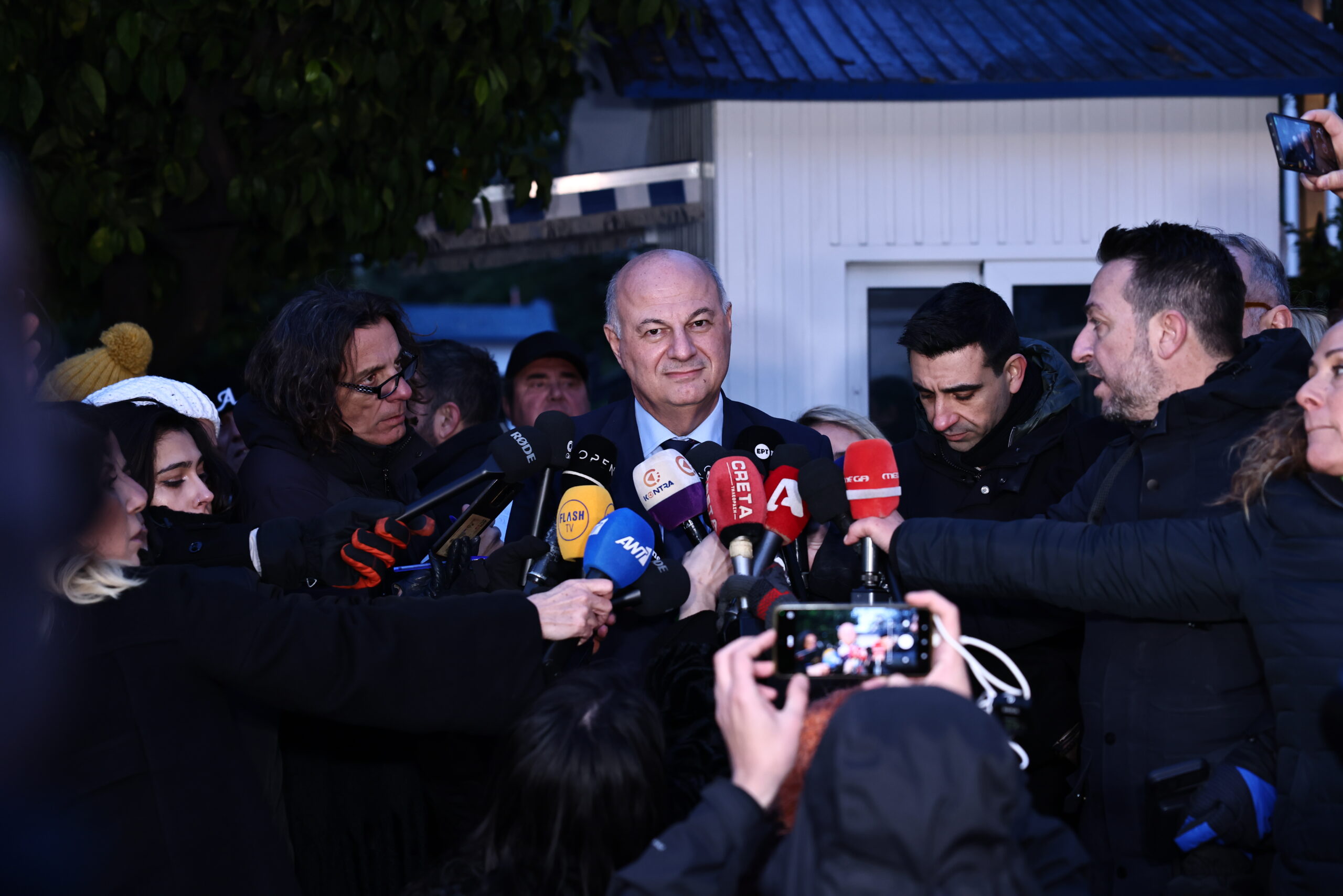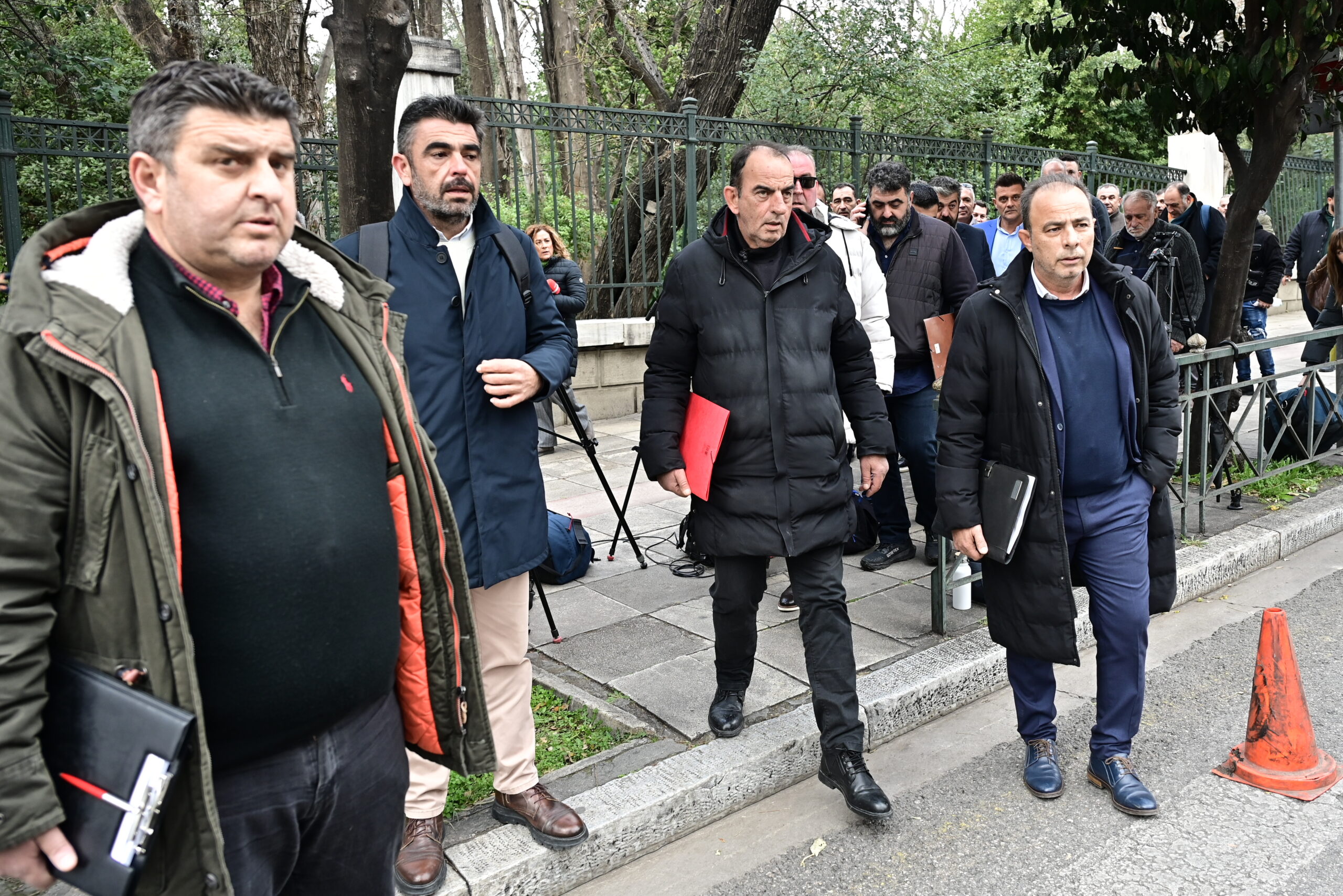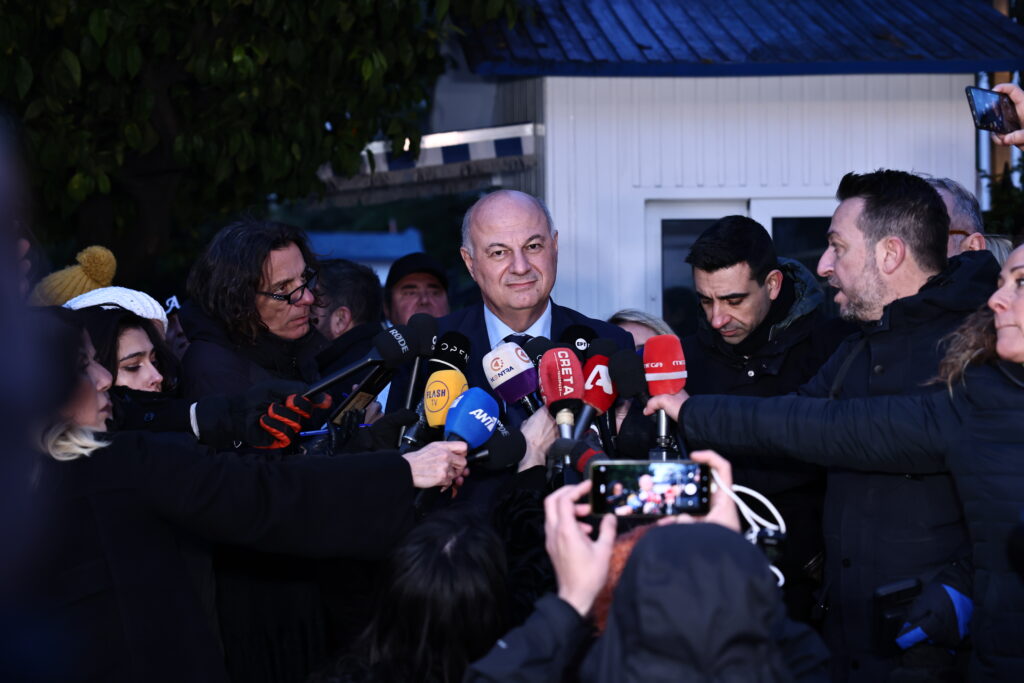
Marathon negotiations unfolded between the “hardliners” of the blockades, the representatives of the farmers and Prime Minister Kyriakos Mitsotakis, with the meeting exceeding four hours in duration, demonstrating the criticality of the situation. However, the government conveyed in every tone that it seeks to de-escalate tensions and open a channel of understanding based on productive dialogue. After the lengthy meeting concluded, Agriculture Minister Kostas Tsiaras made special statements, providing insight into the discussions and highlighting two key issues that were brought to the table: production costs and the special consumption tax at fuel pumps. The message emanating from Maximos Mansion, which had insisted on the need for dialogue even before the talks, is that the discussion did not lead to a deadlock – on the contrary, common ground was found on certain issues. Moreover, before the crucial meeting, the Prime Minister implied in his remarks that he did not expect agreement on everything, focusing on the need for a productive discussion.
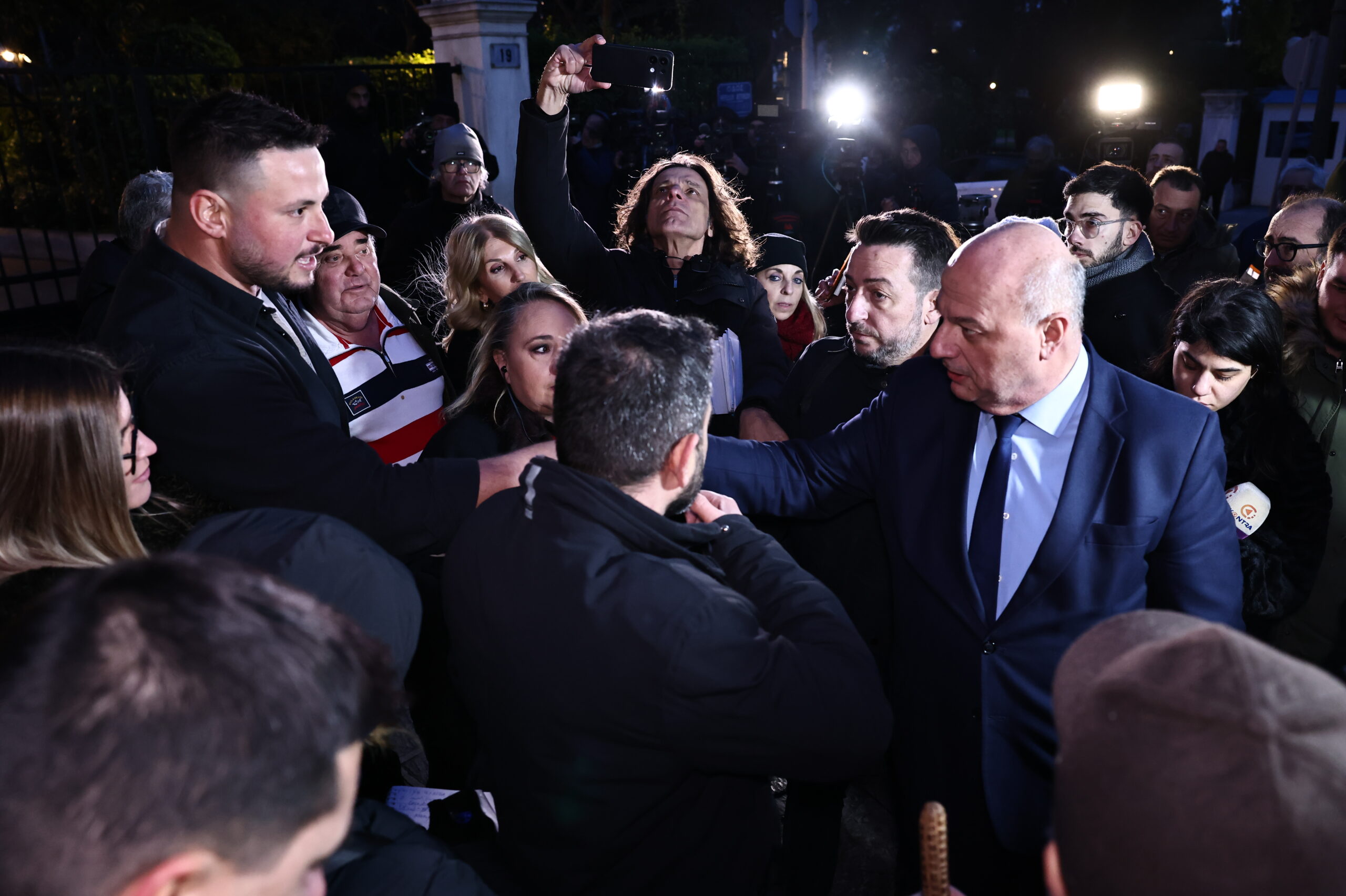
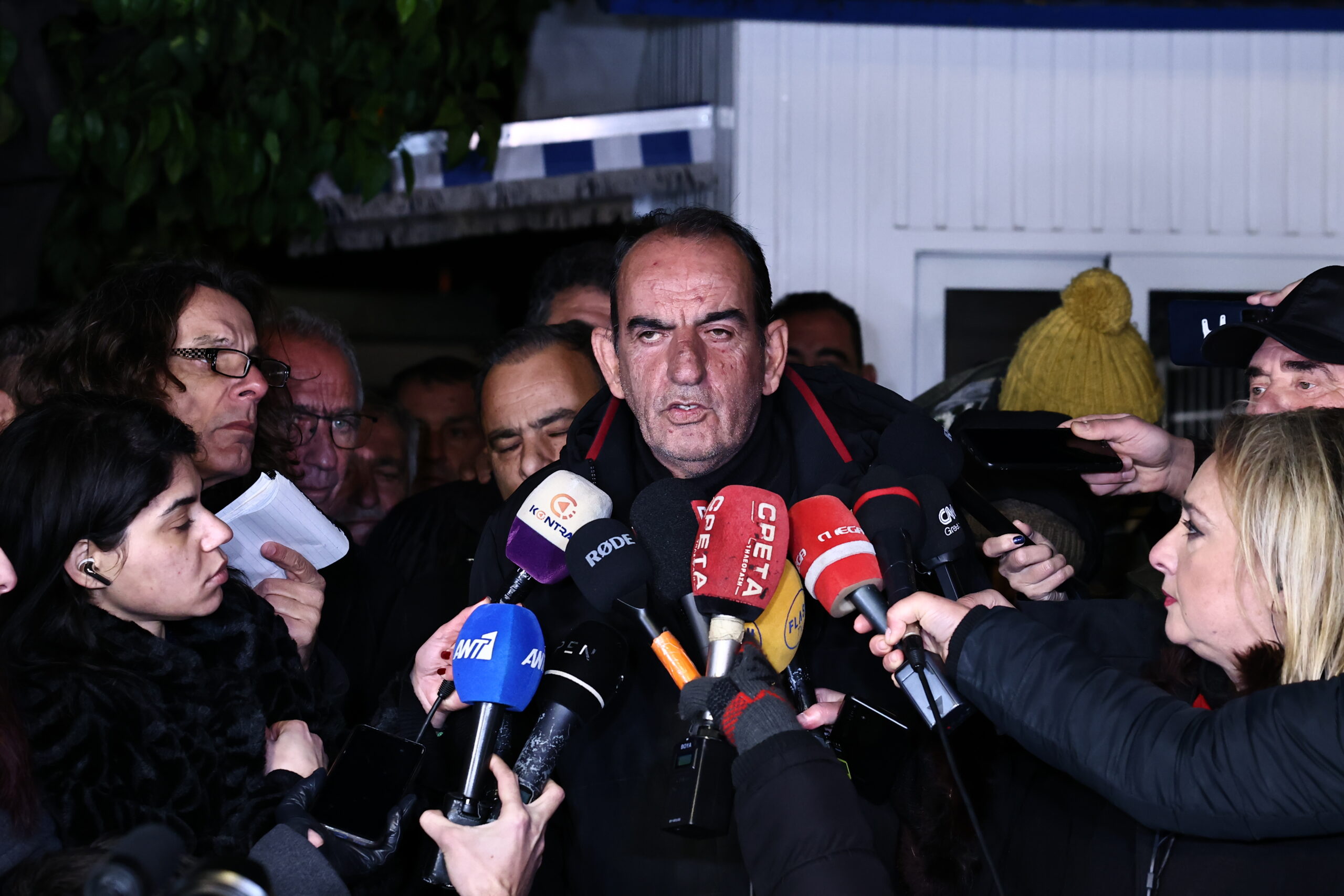
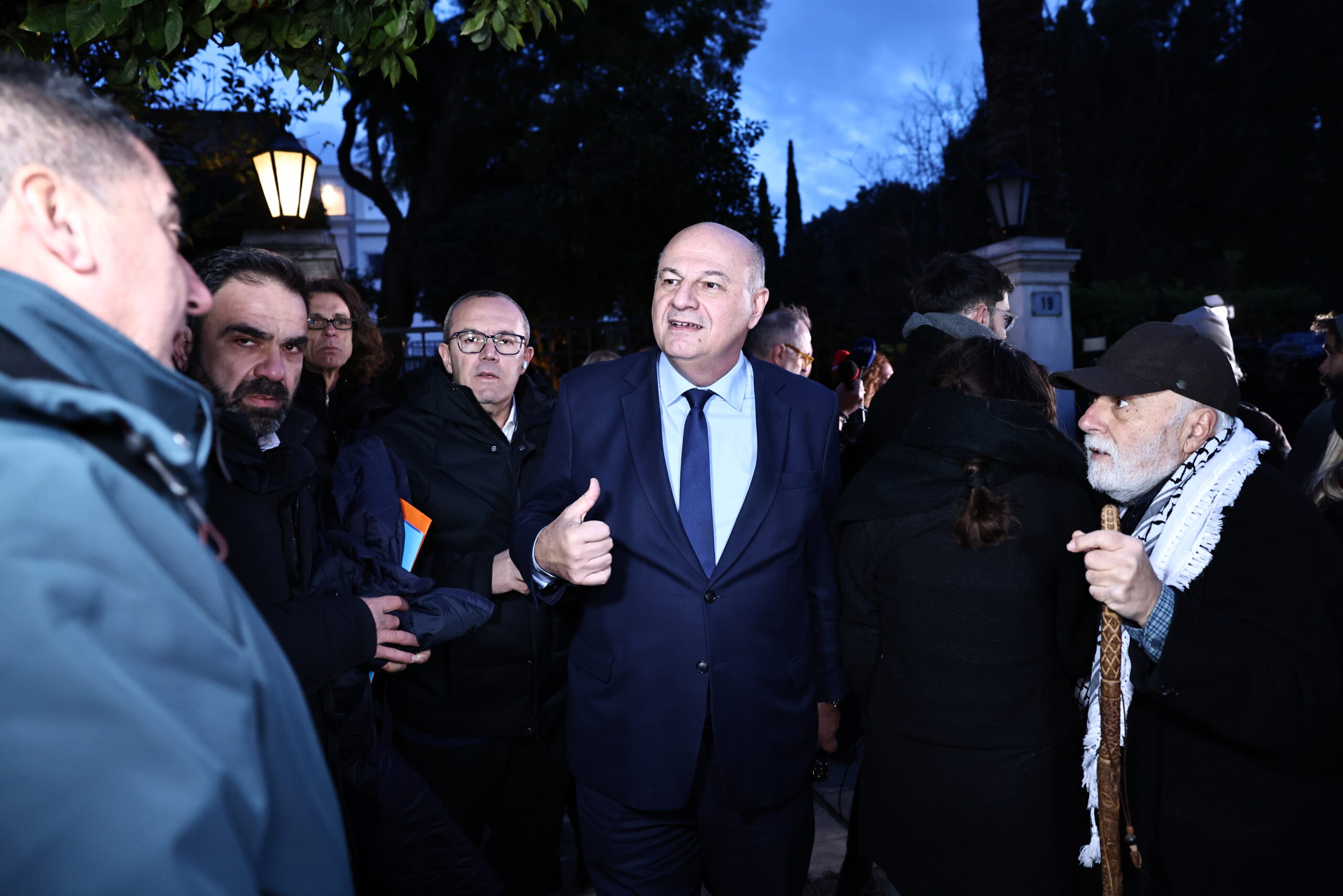
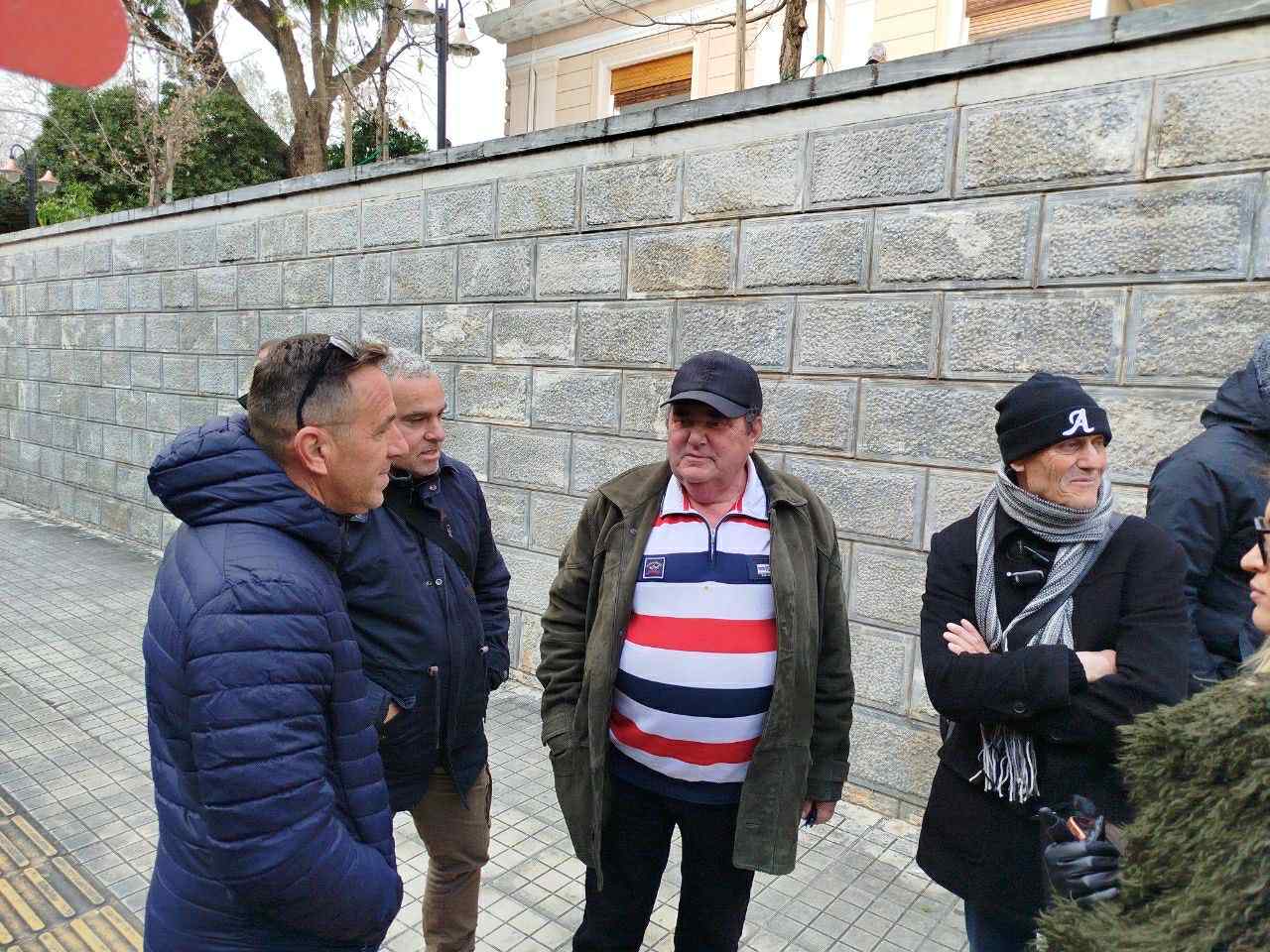
Rizos Maroudas, president of the Federation of Agricultural Associations of Larissa Prefecture, spoke about continuing the mobilizations after the meeting with the Prime Minister. The farmers leaving the meeting stated they were not satisfied with the content of the discussions, emphasizing that decisions on continuing the mobilizations would be made at the blockades, most of which are convening on Tuesday afternoon.
Farmers & Mitsotakis meeting: Chronicle of marathon consultations
Just before 5:30 PM on Monday afternoon, the marathon meeting of farmer blockade representatives at Maximos Mansion with Prime Minister Kyriakos Mitsotakis was completed. Immediately after, Agriculture Minister Kostas Tsiaras sent this message: “We had a detailed and productive discussion, it was lengthy and gave us the opportunity to examine all individual issues for the primary sector. We agreed to look at some additional issues regarding production costs, for example electricity and special consumption tax at pumps, strengthening specific crops. It was agreed to have cooperation with the Prime Minister. There was a very good and productive discussion, I wish and hope that common sense will prevail from now on. The farmers’ demands will receive further elaboration.”
The Agriculture Minister clarified that “the general framework has been set” and added that “nothing will change based on last week’s announcements.”
“Specific technical issues were raised that the government is ready to discuss and certainly to initiate any solution,” noted Mr. Tsiaras elsewhere.
As he added, after today’s meeting “the possibility is given for the group of specific blockades to participate in committees that will elaborate on these issues” and noted that “the Prime Minister’s briefing and analysis helped farmers understand that the government is on their side.”
The Prime Minister’s message
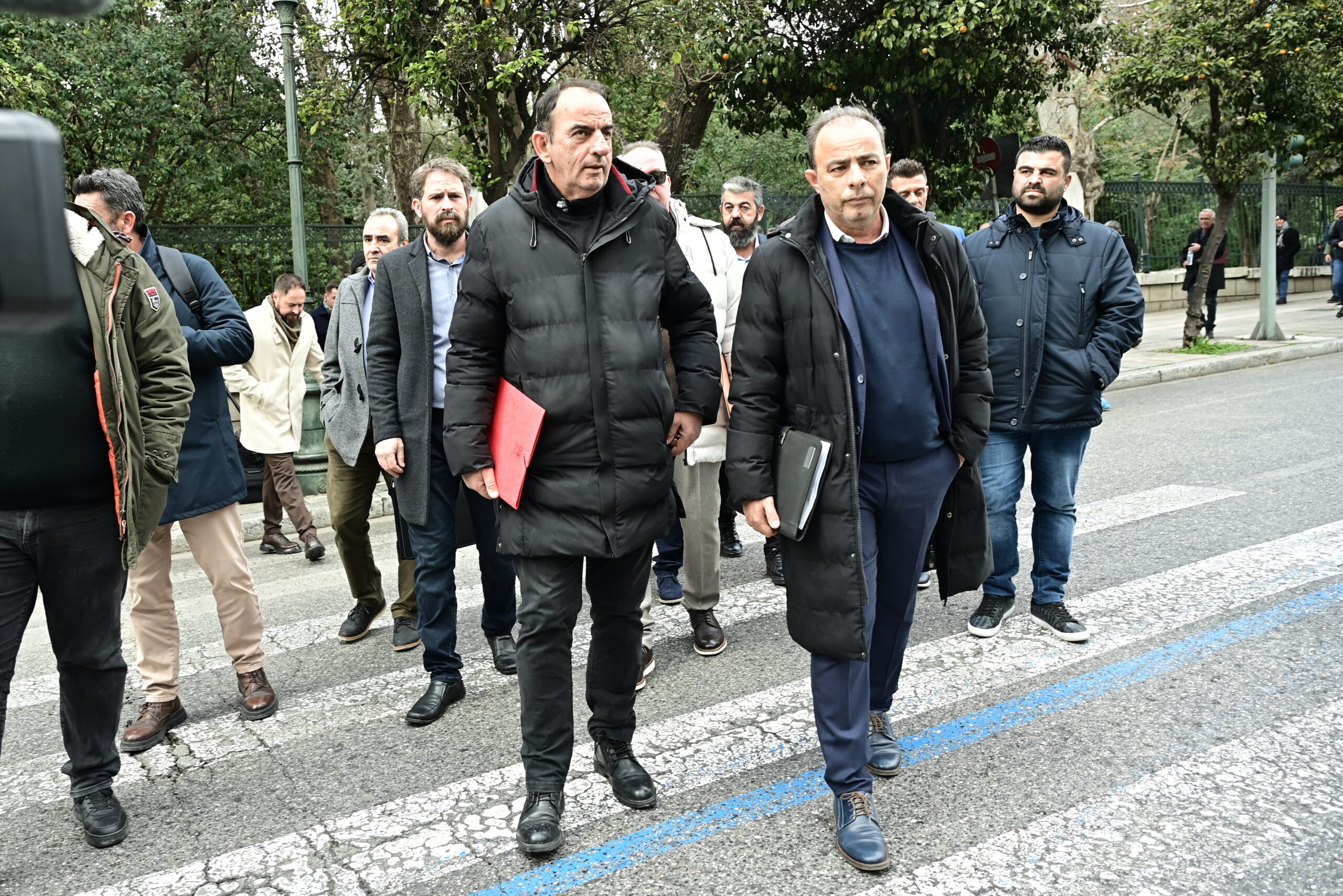
The farmers’ delegation consisted of 25 people and 6 observers and presented their list of 14 demands, for which, as they said, there are fiscal margins to provide solutions. The Prime Minister, during his introductory remarks, sent the message that he hopes to have “a productive discussion” with the farmers. “I don’t need to tell you that, in our opinion, this meeting should have happened earlier. I think we have already moved on many levels and addressed issues you have raised over time, such as interventions in agricultural electricity and the possibility of refunding the Special Consumption Tax at pumps, which was a standing demand of yours, which we are in a position to satisfy and we can discuss implementation details.” Elsewhere, Mr. Mitsotakis emphasized that “I don’t have the requirement that we agree on everything, but I believe we will have a substantial discussion so as to put an end to a period of great tension.”
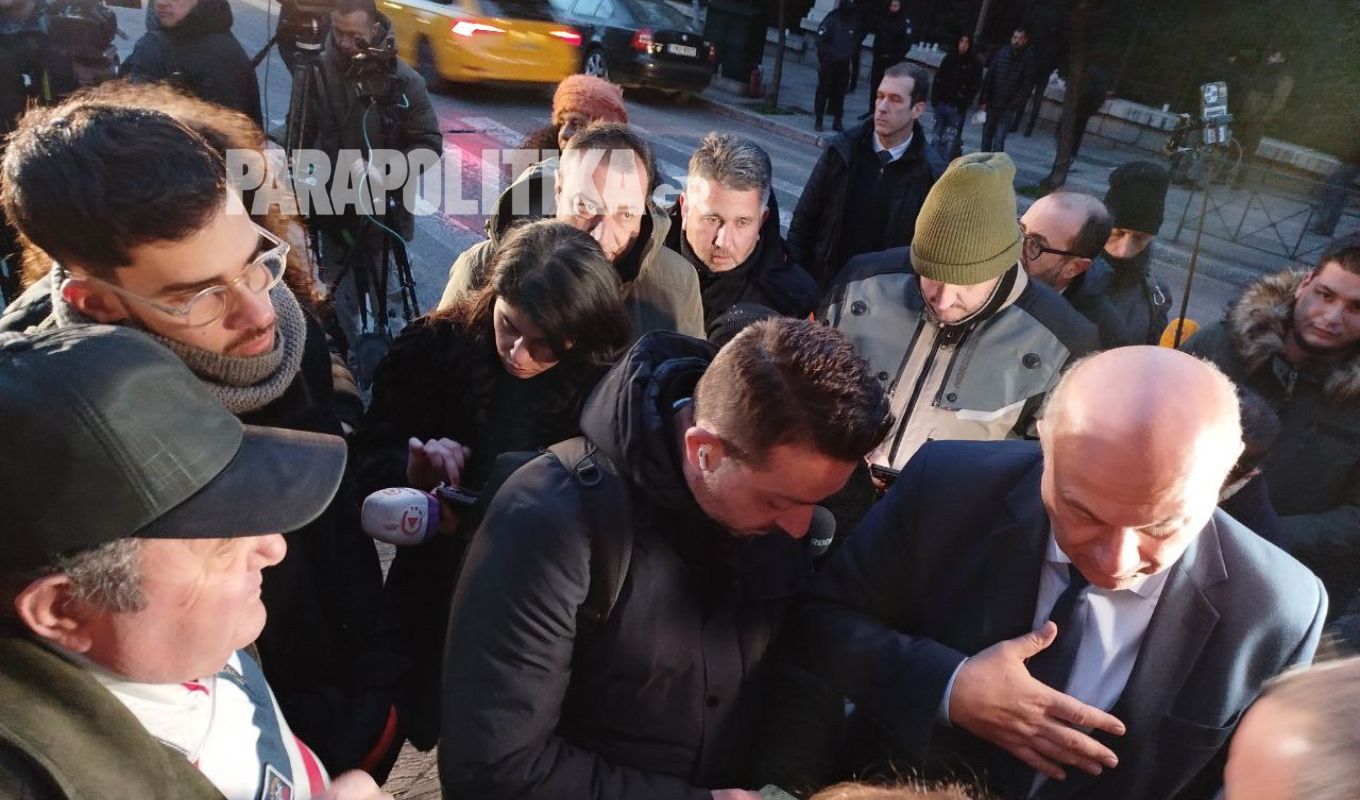
From his side, and shortly before the Prime Minister’s meeting with producer representatives, agricultural unionist Kostas Anestidis declared in front of cameras, after the incident caused by his abusive statements towards the Prime Minister, that he would not participate in the meeting. Significant issues brought to the table at Maximos included production costs, addressing sheep and goat pox, and compensating for lost income. After the meeting with the Prime Minister, farmers are expected to go to the blockades, where they will hold general assemblies. At the Nikaia blockade, they have decided to hold a meeting on Tuesday afternoon at 6 PM to determine their next steps.
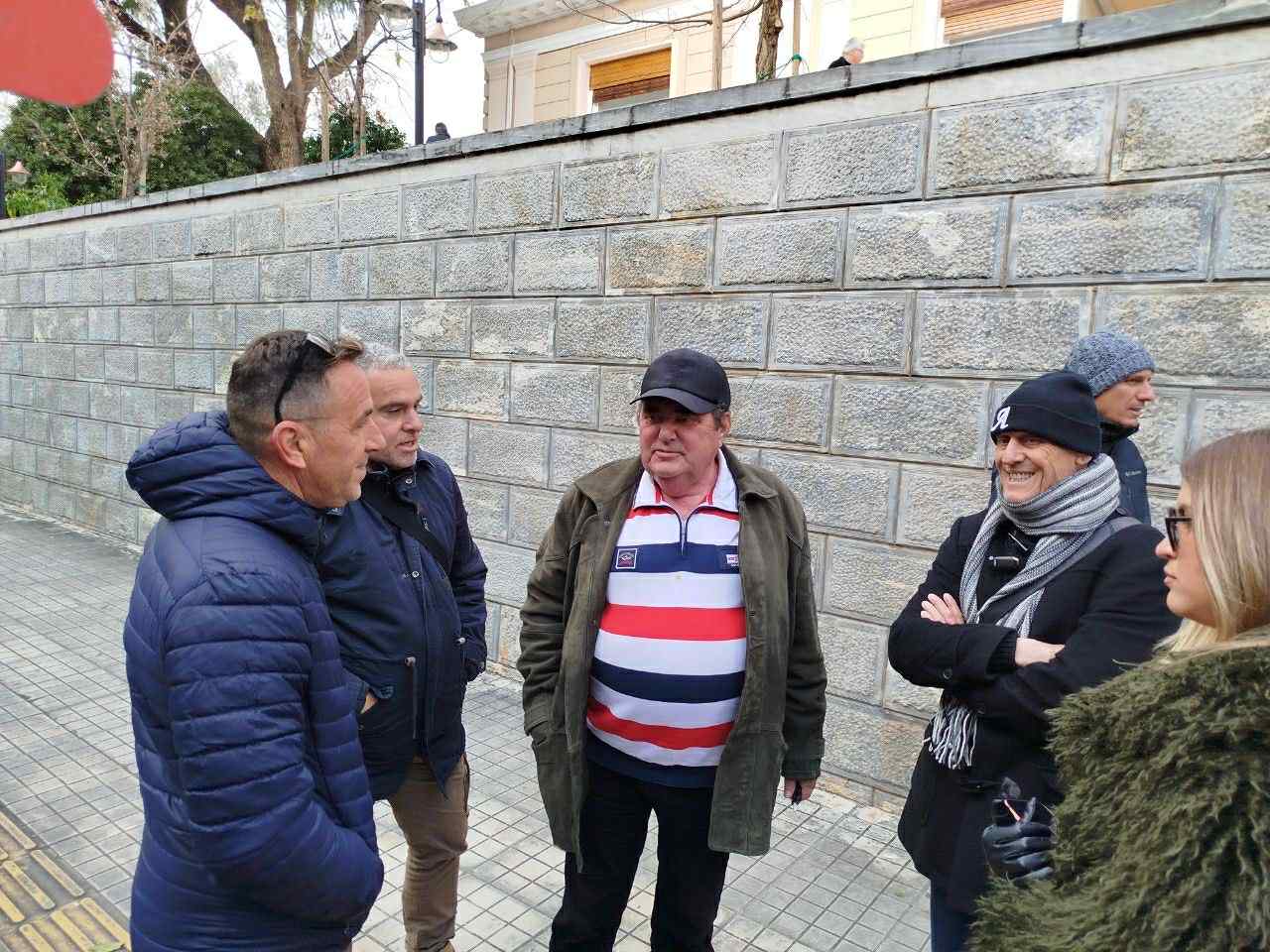
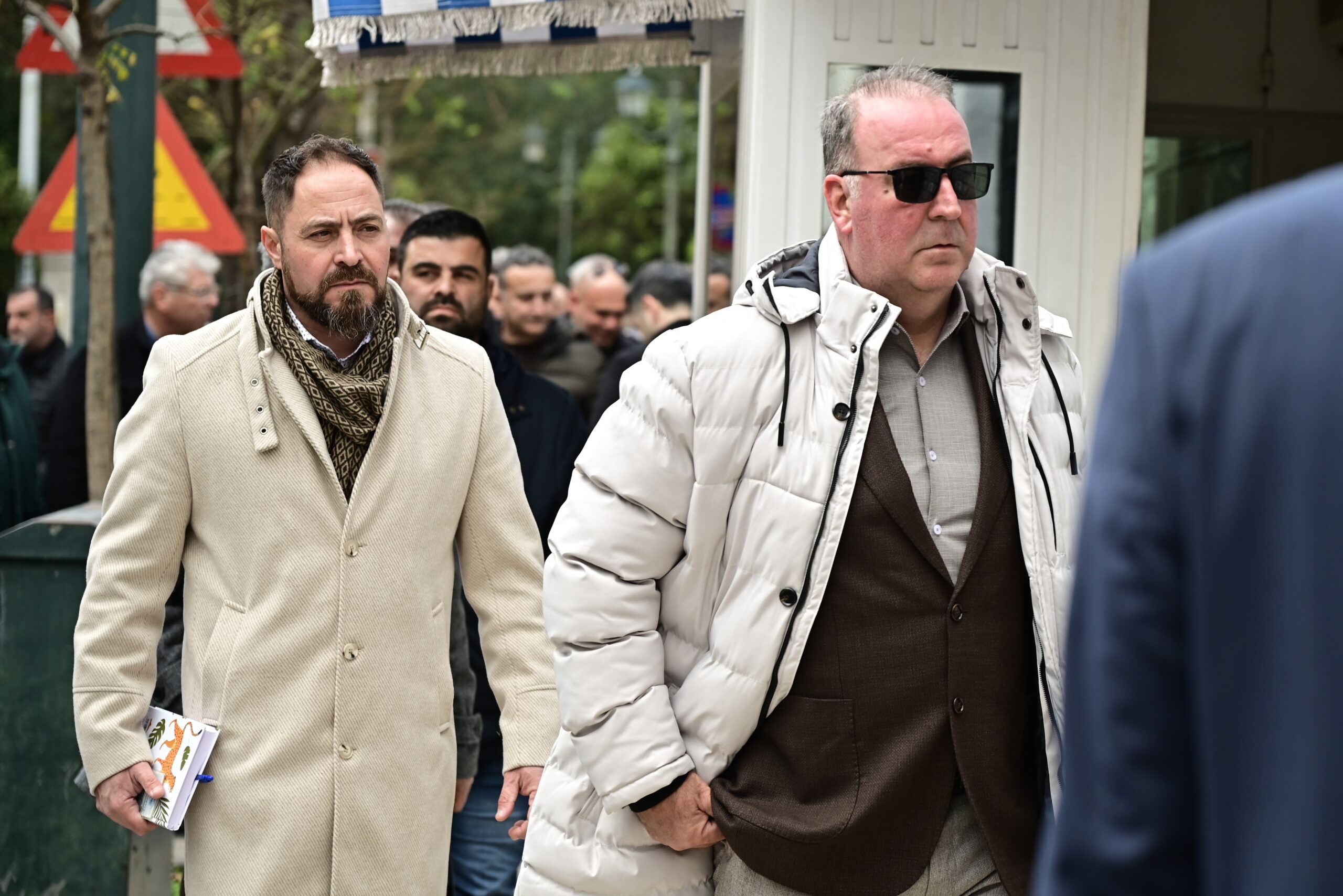
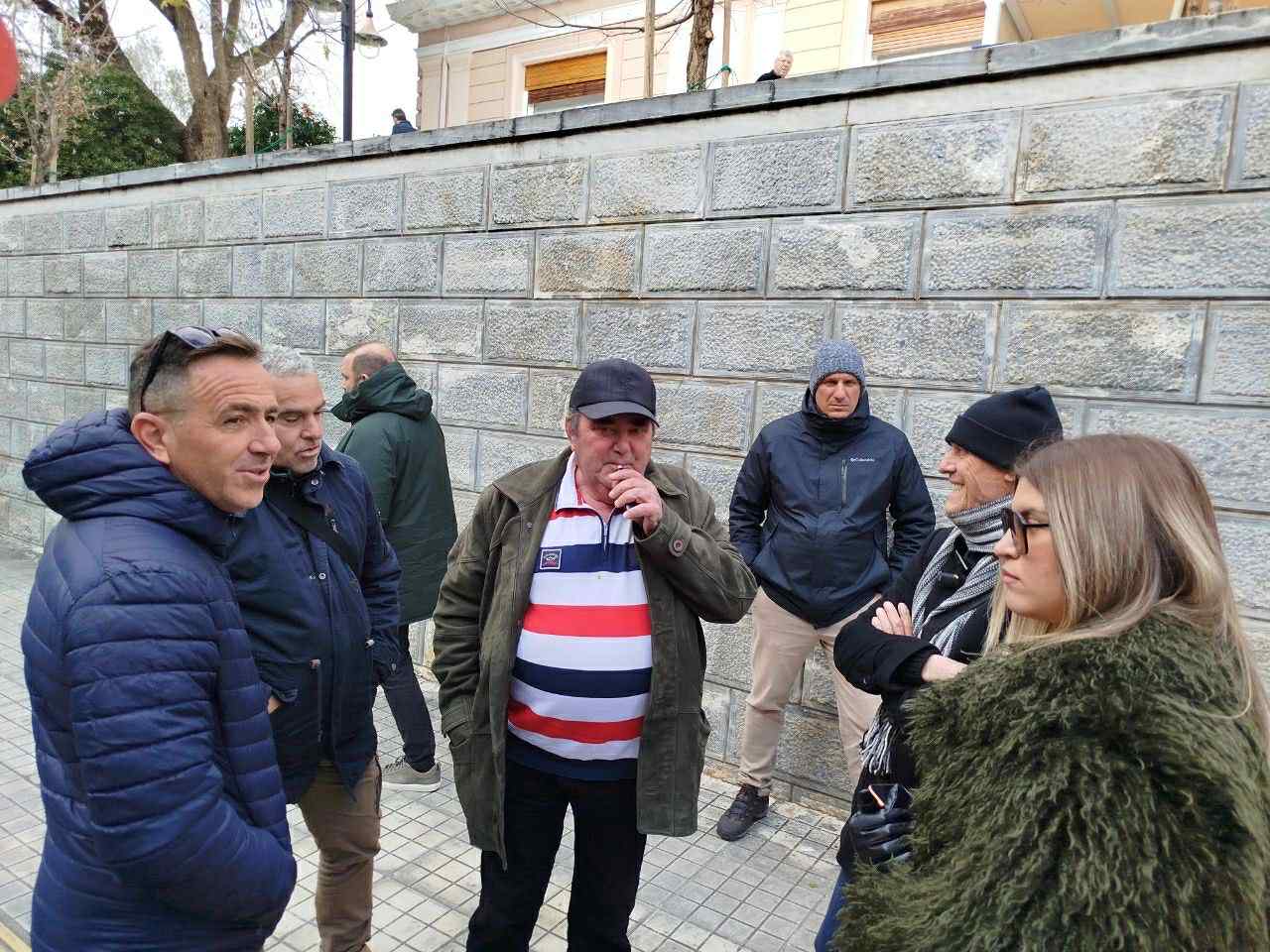
Video and images from the farmers’ meeting with Kyriakos Mitsotakis