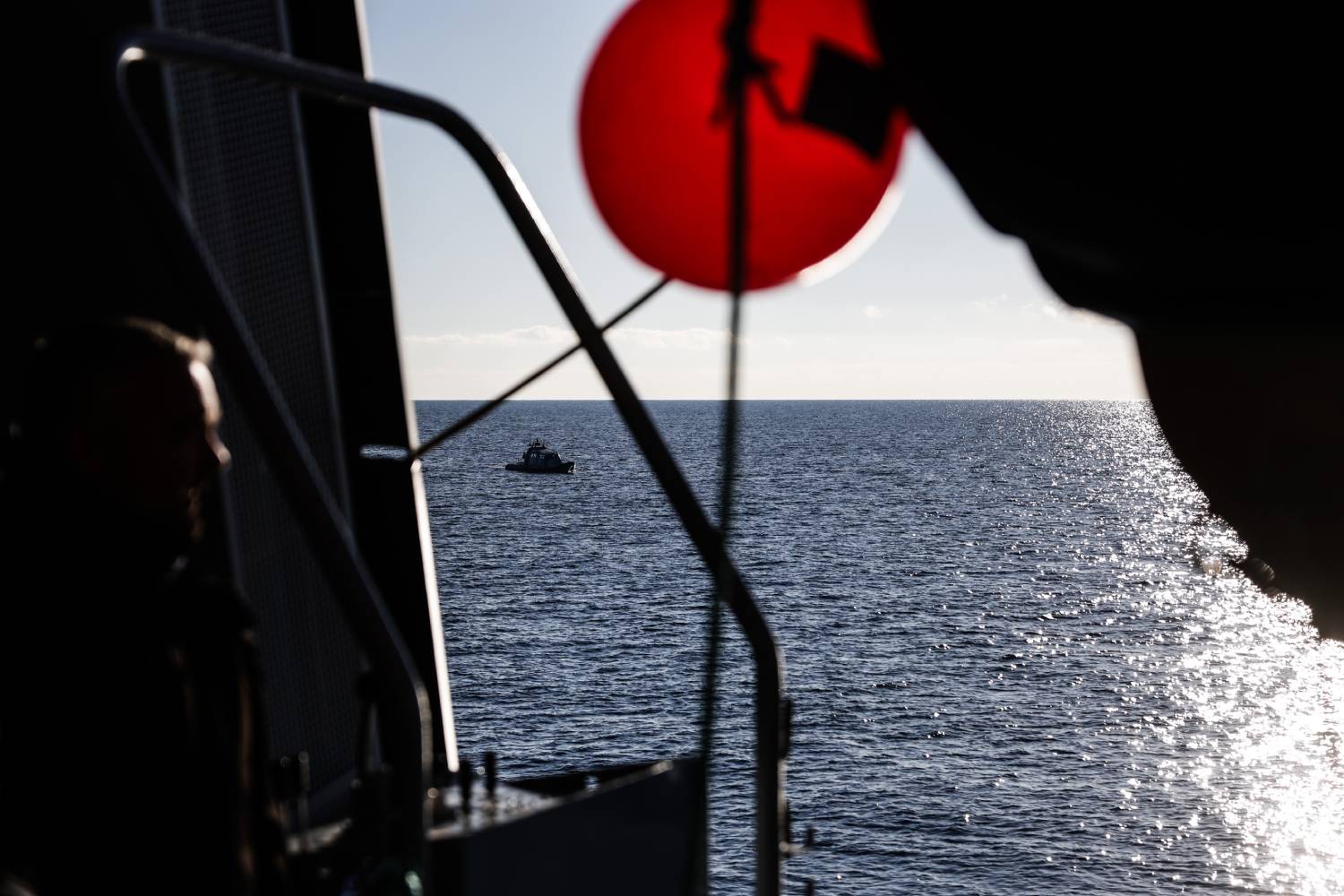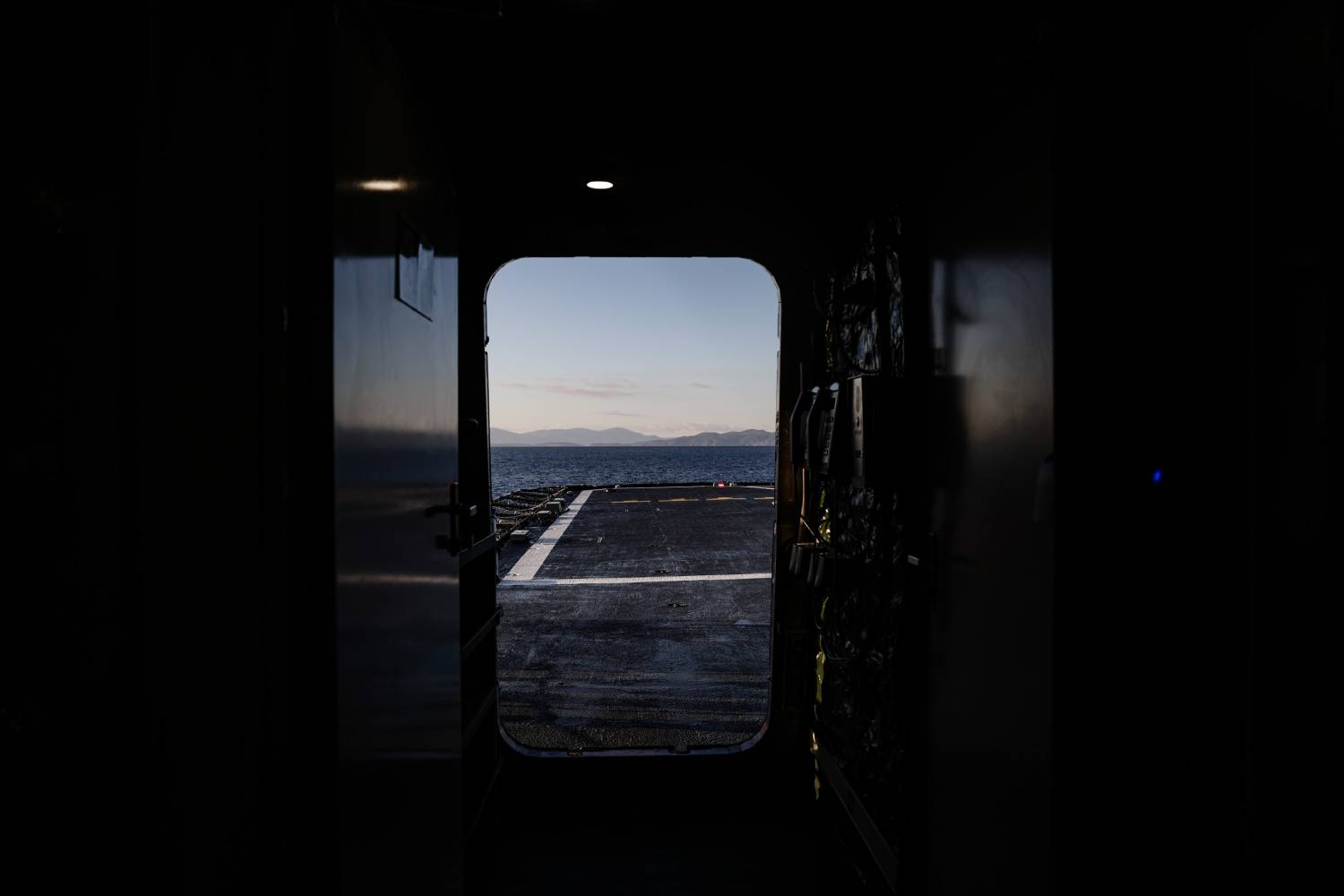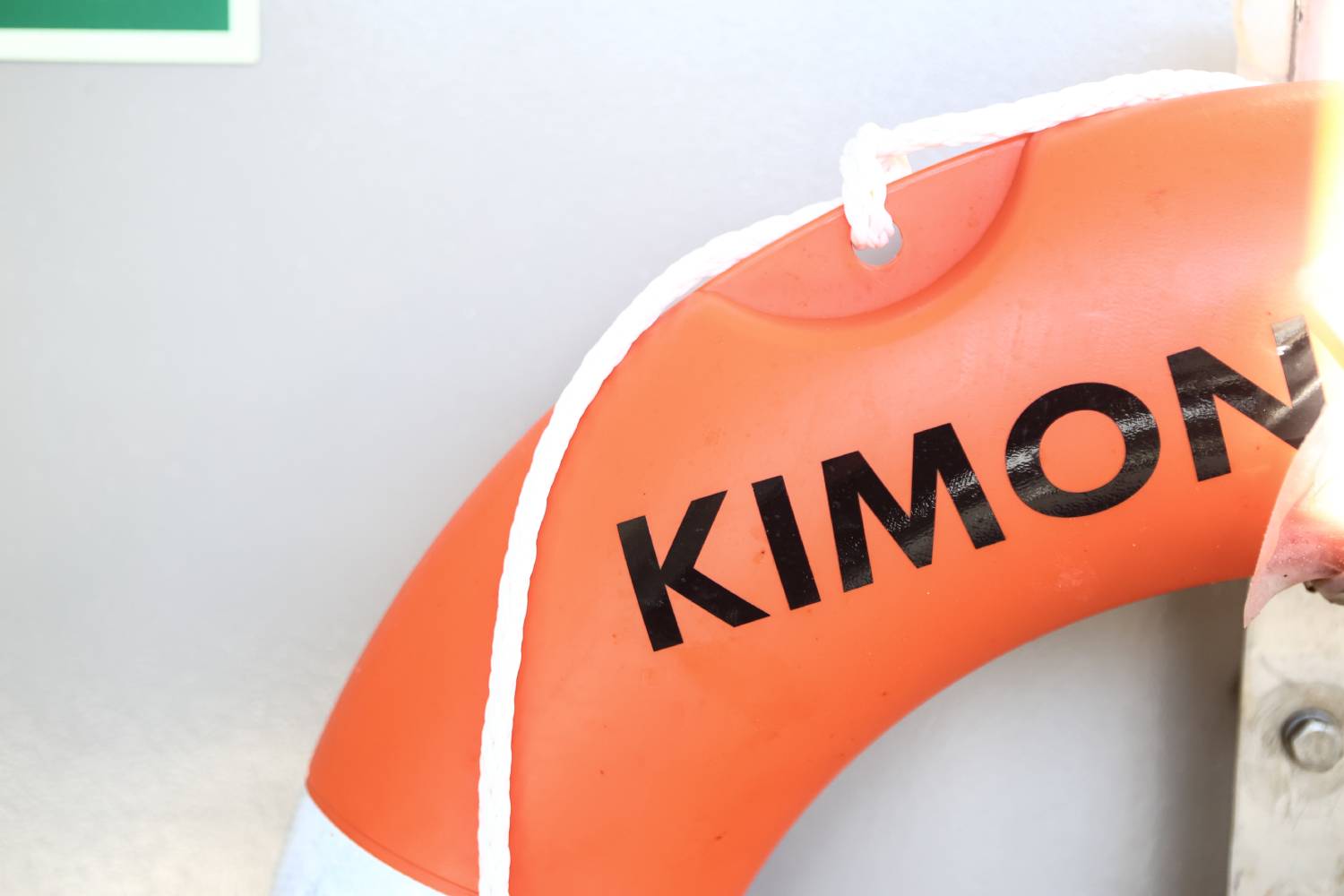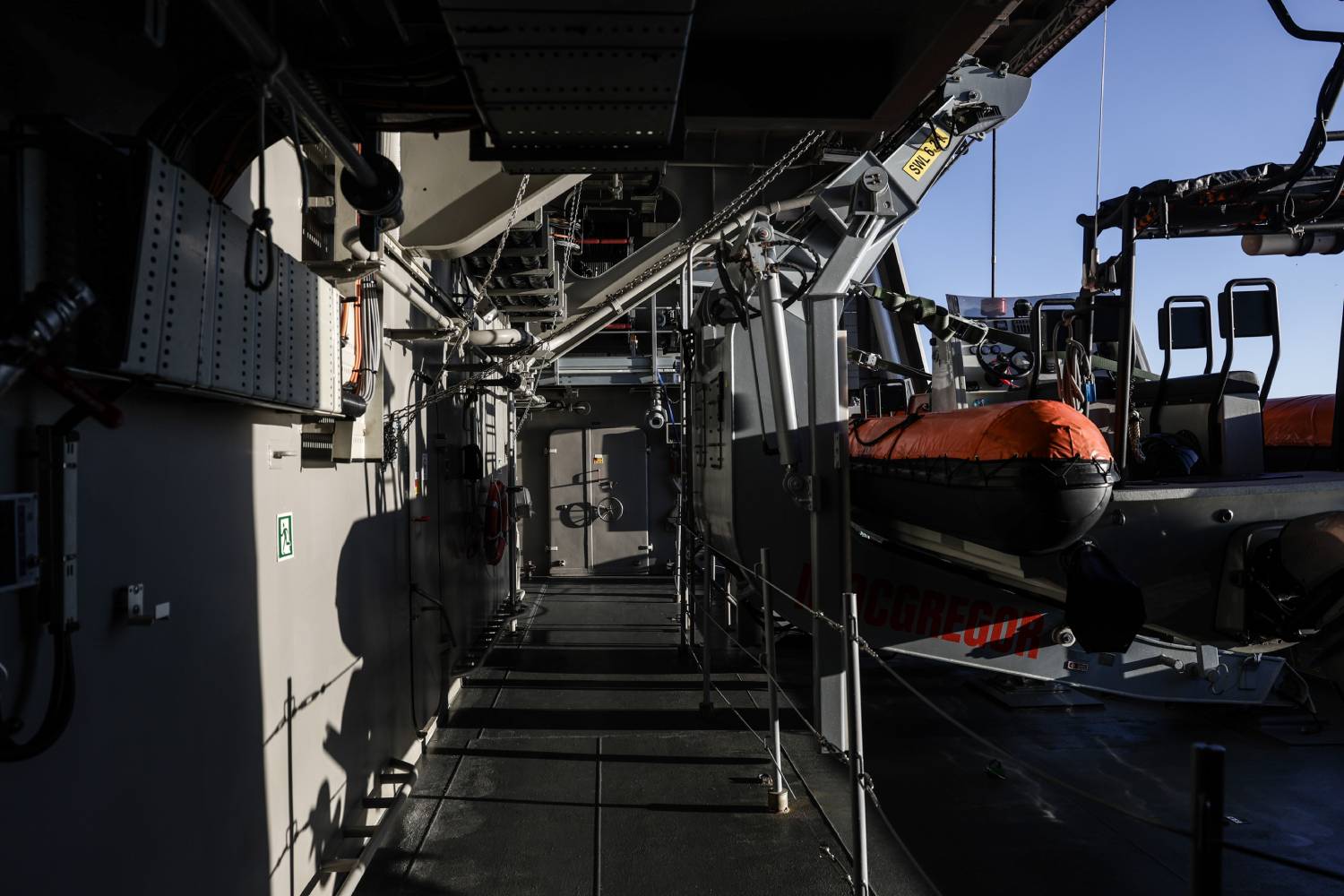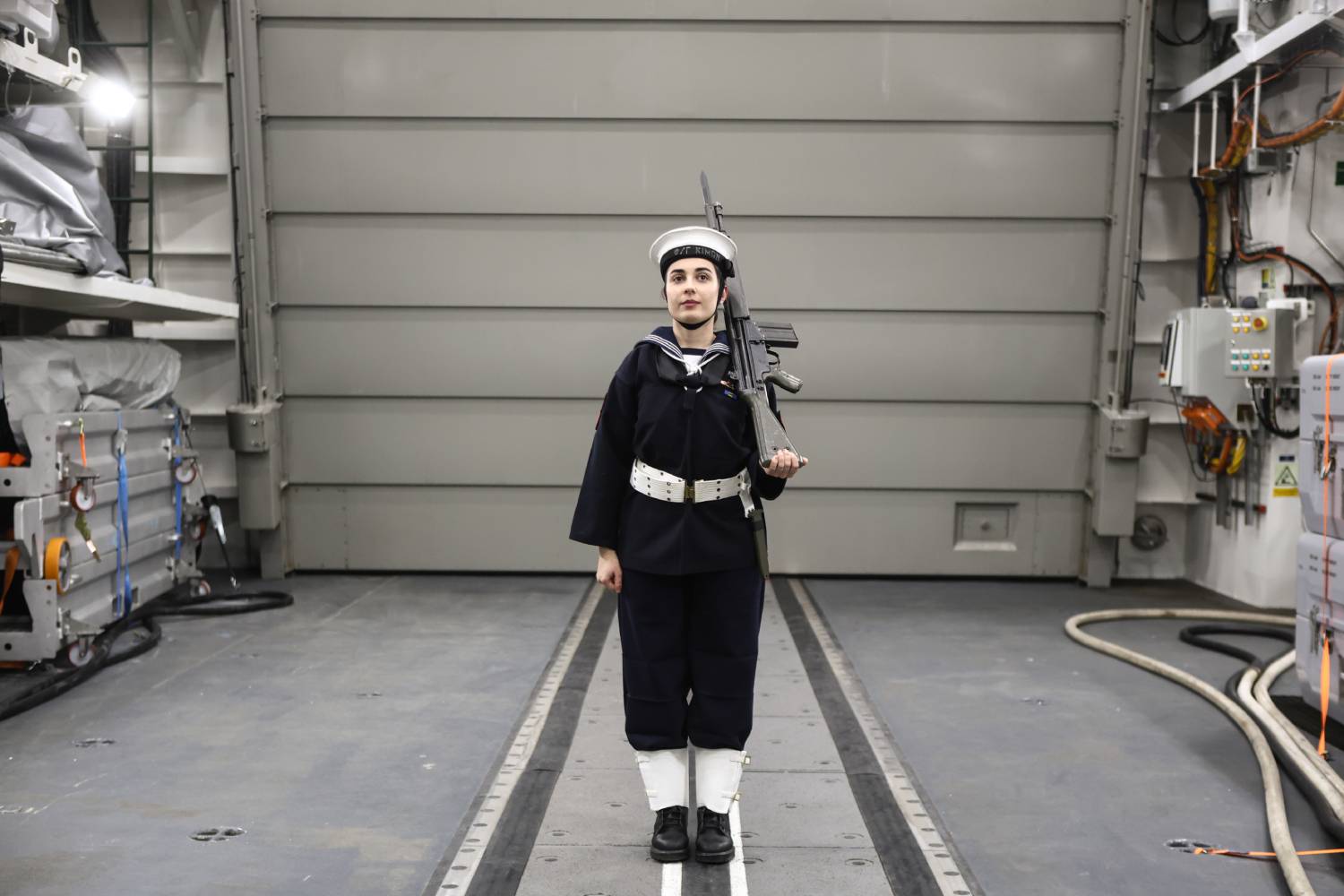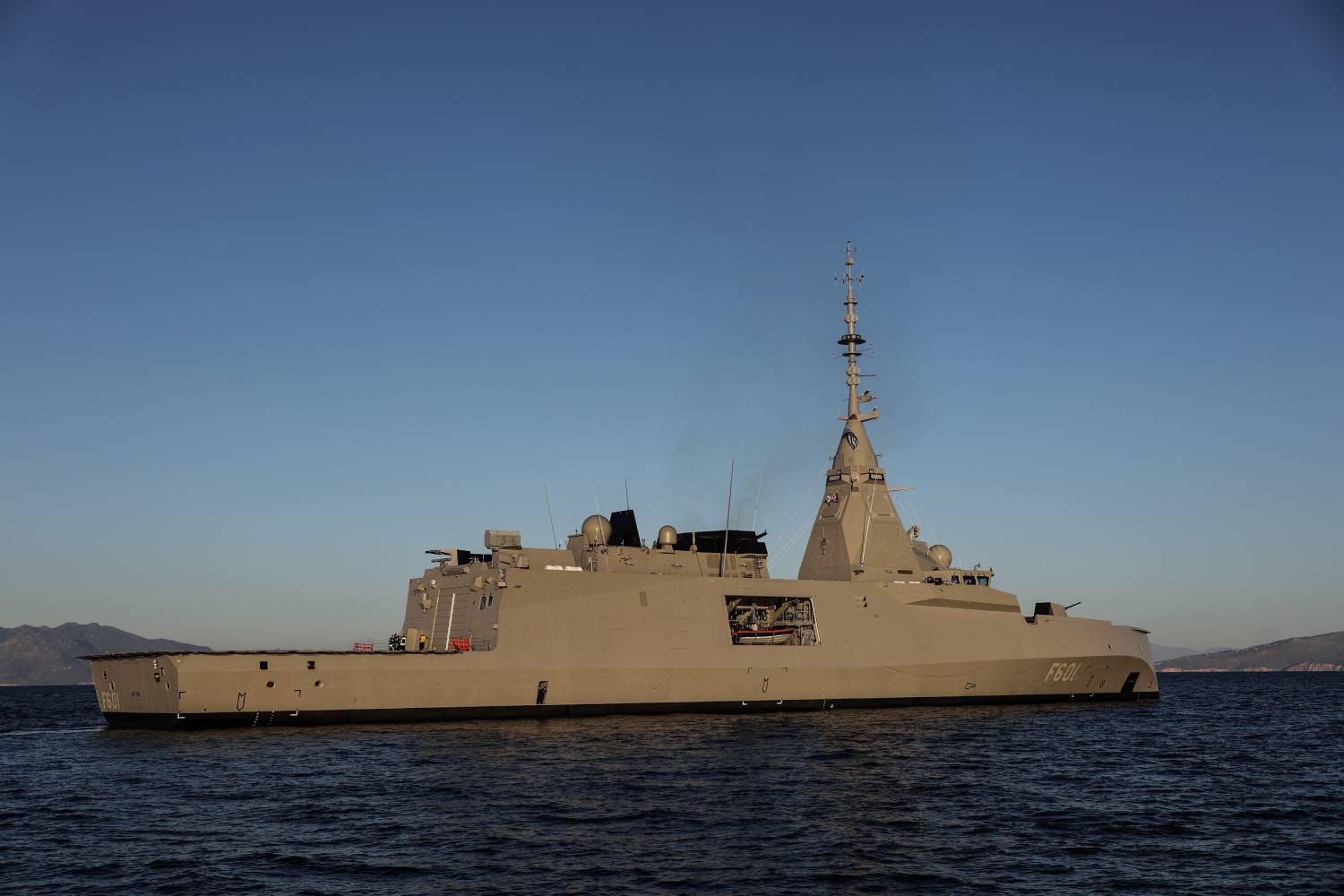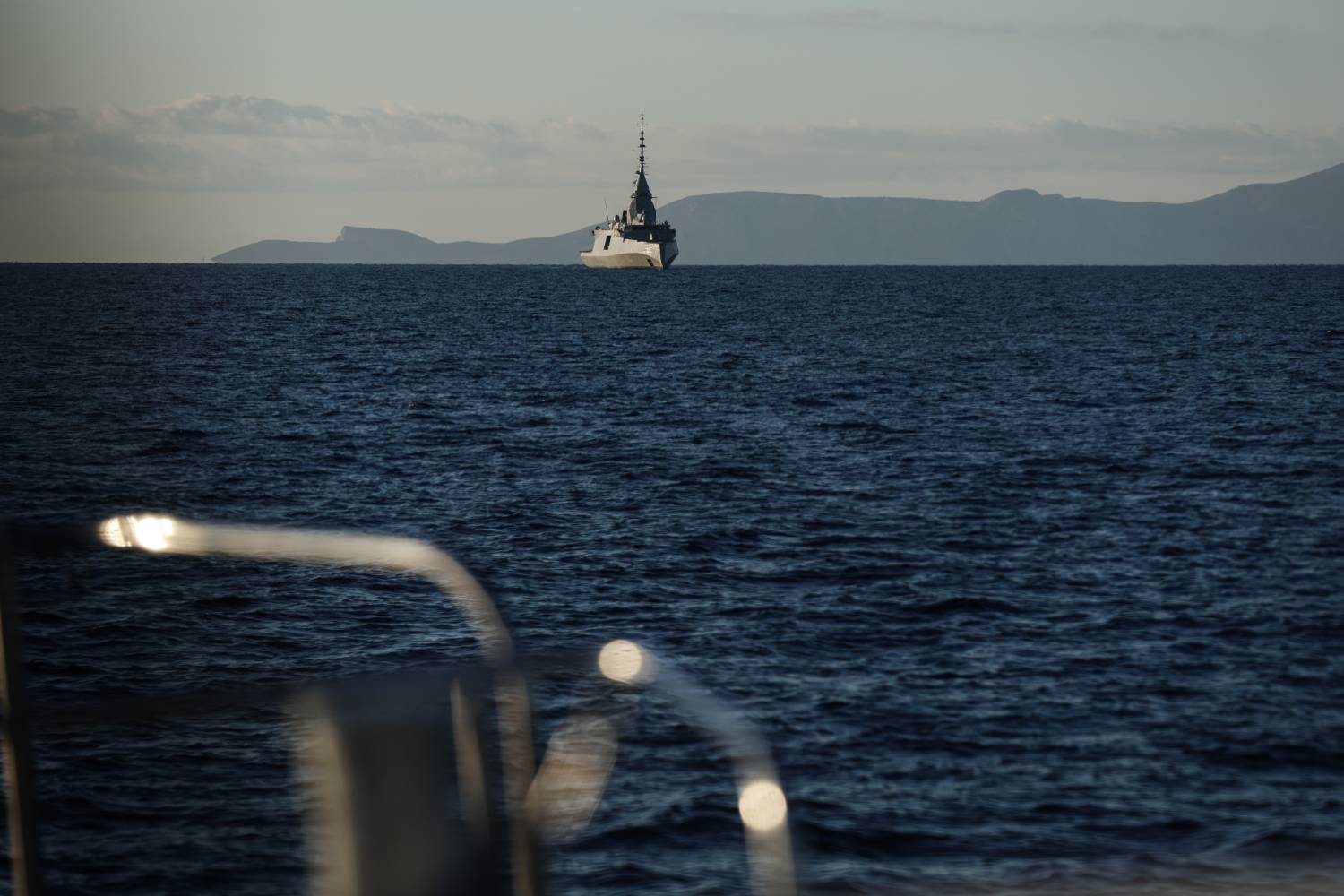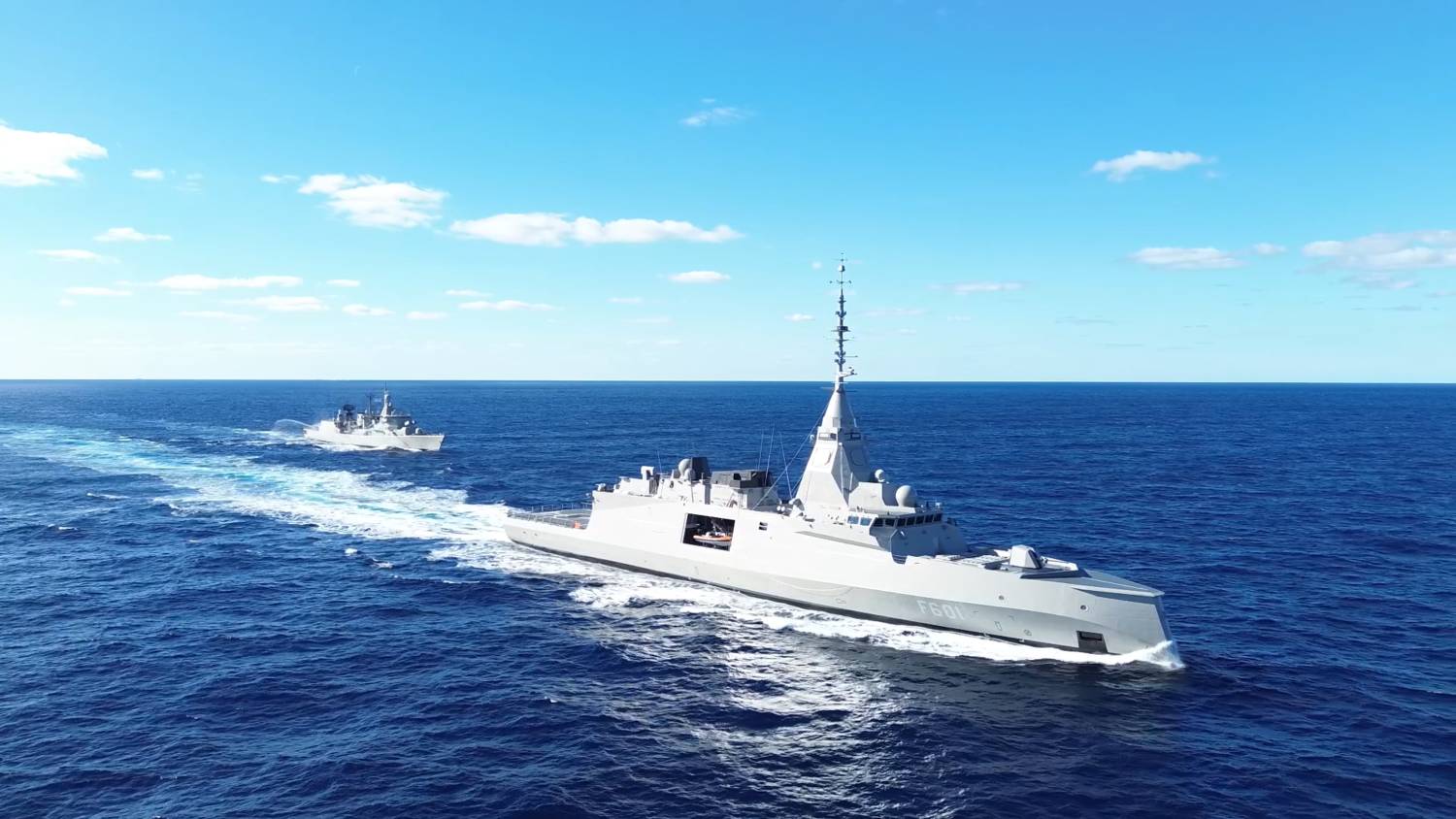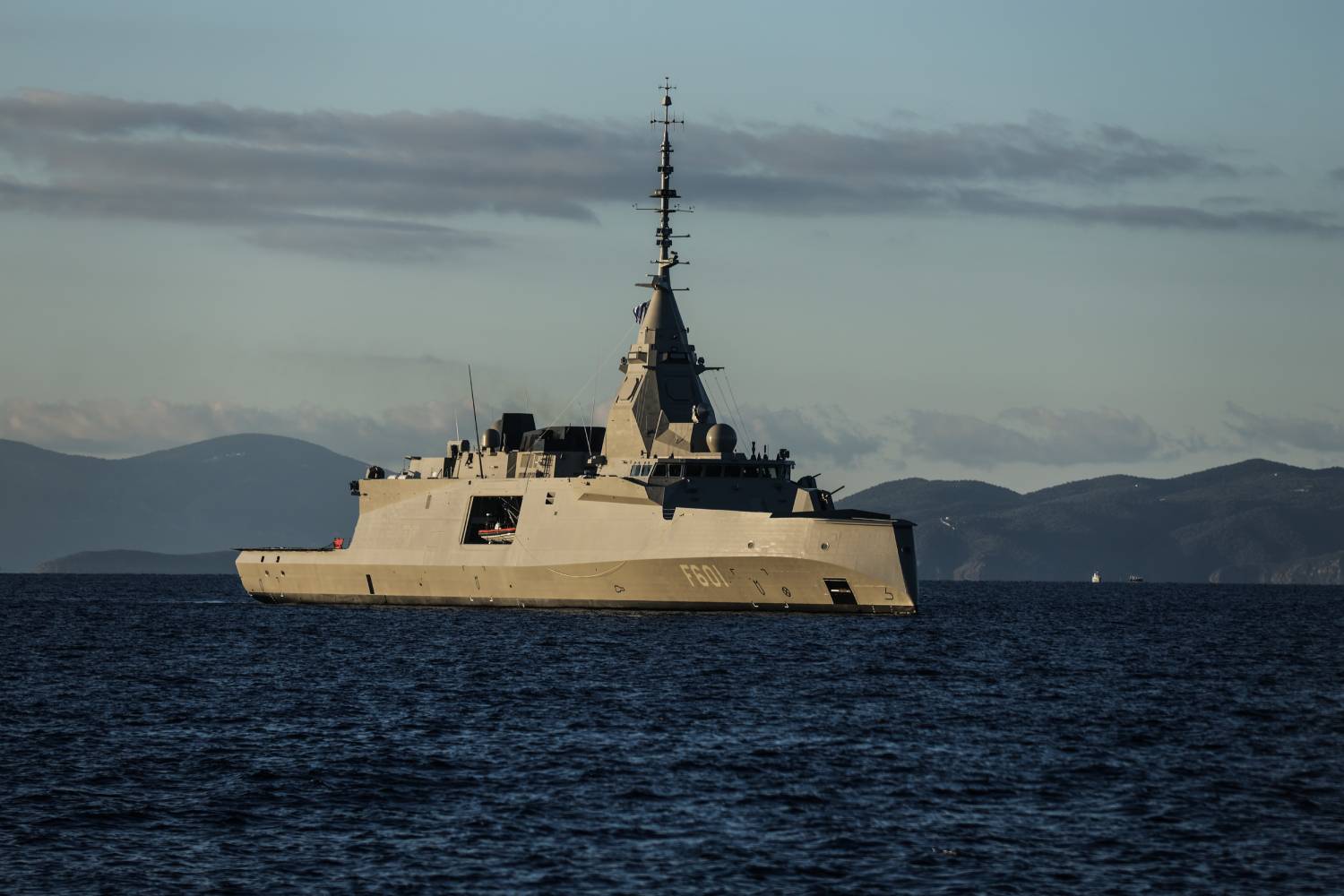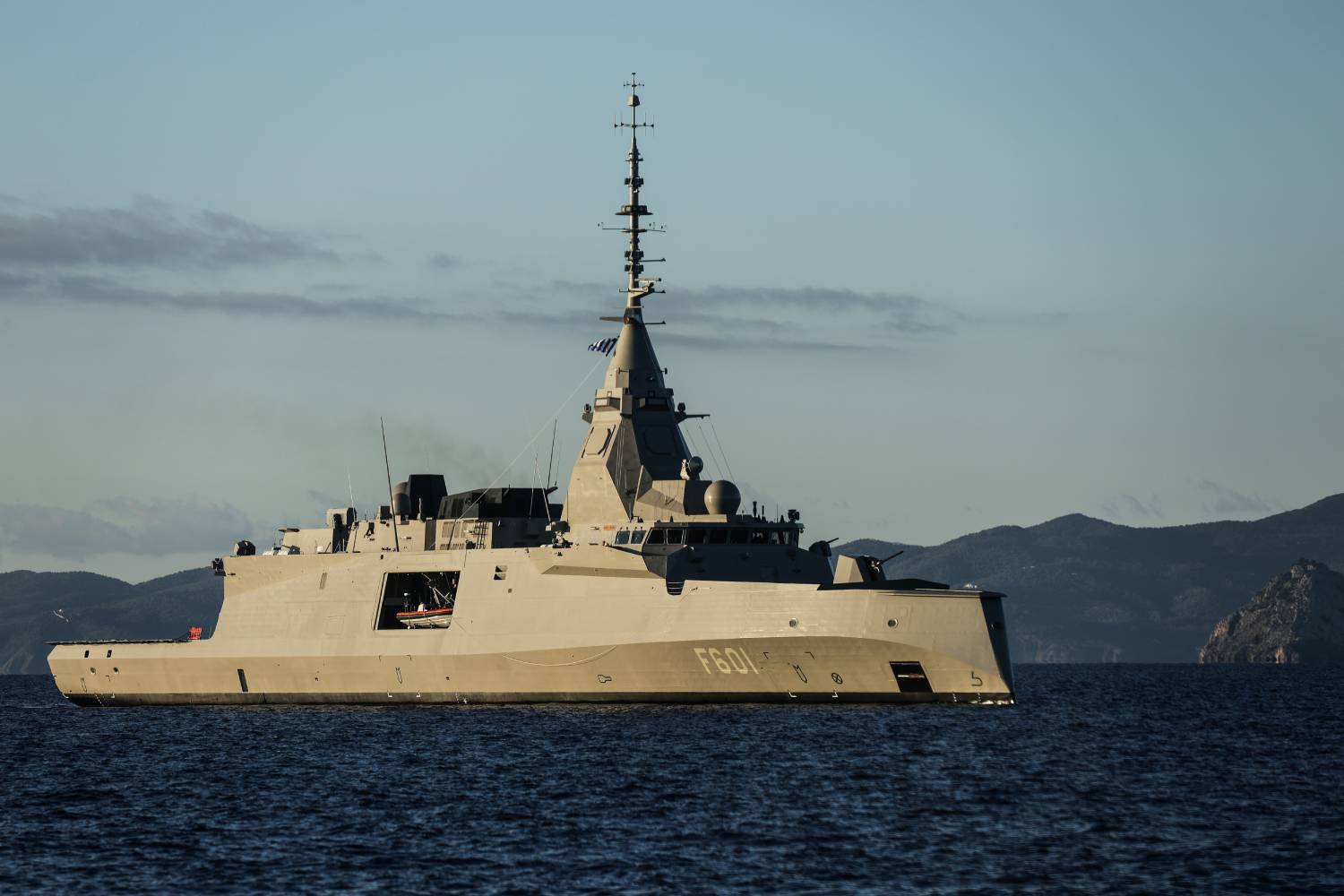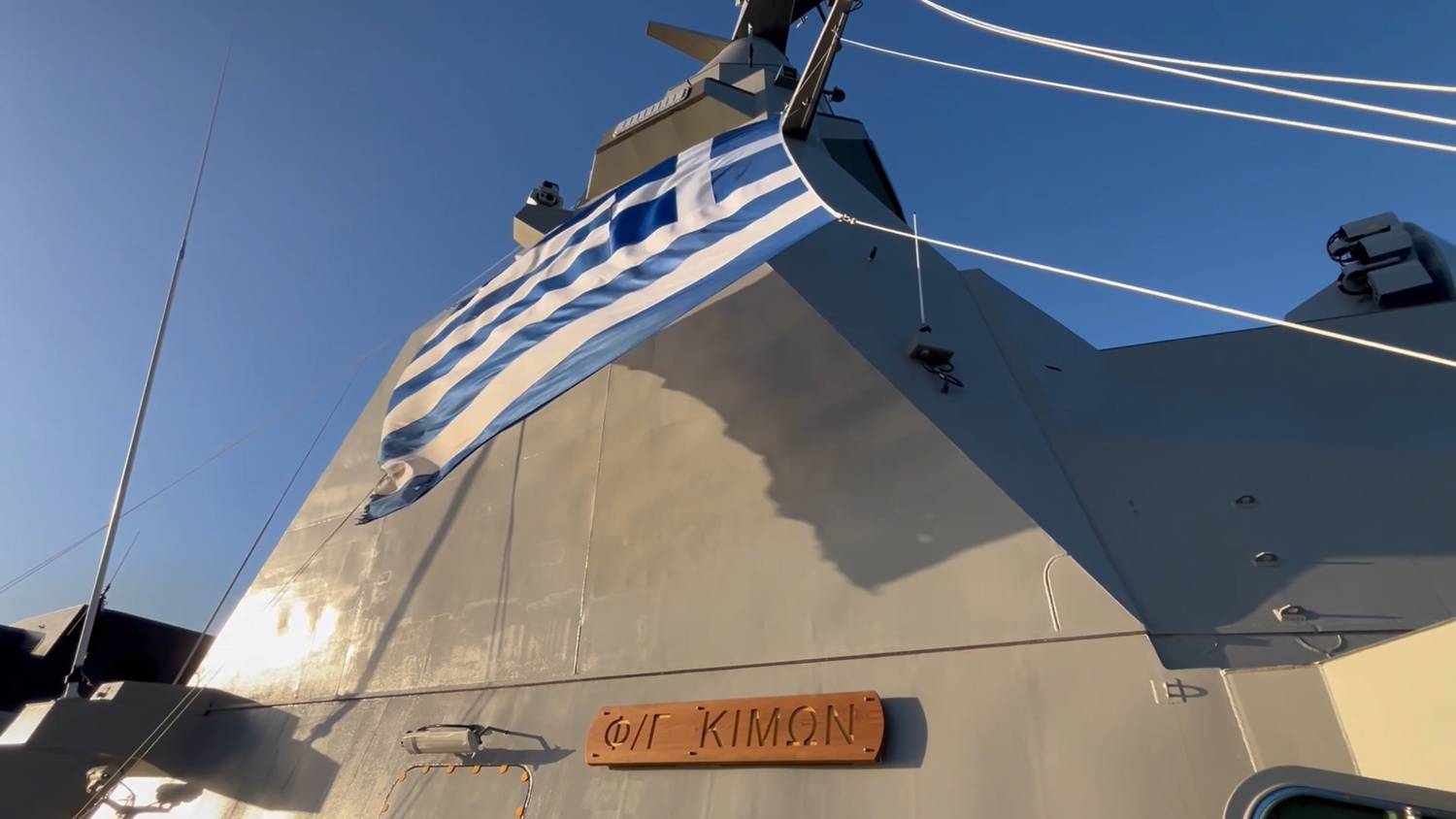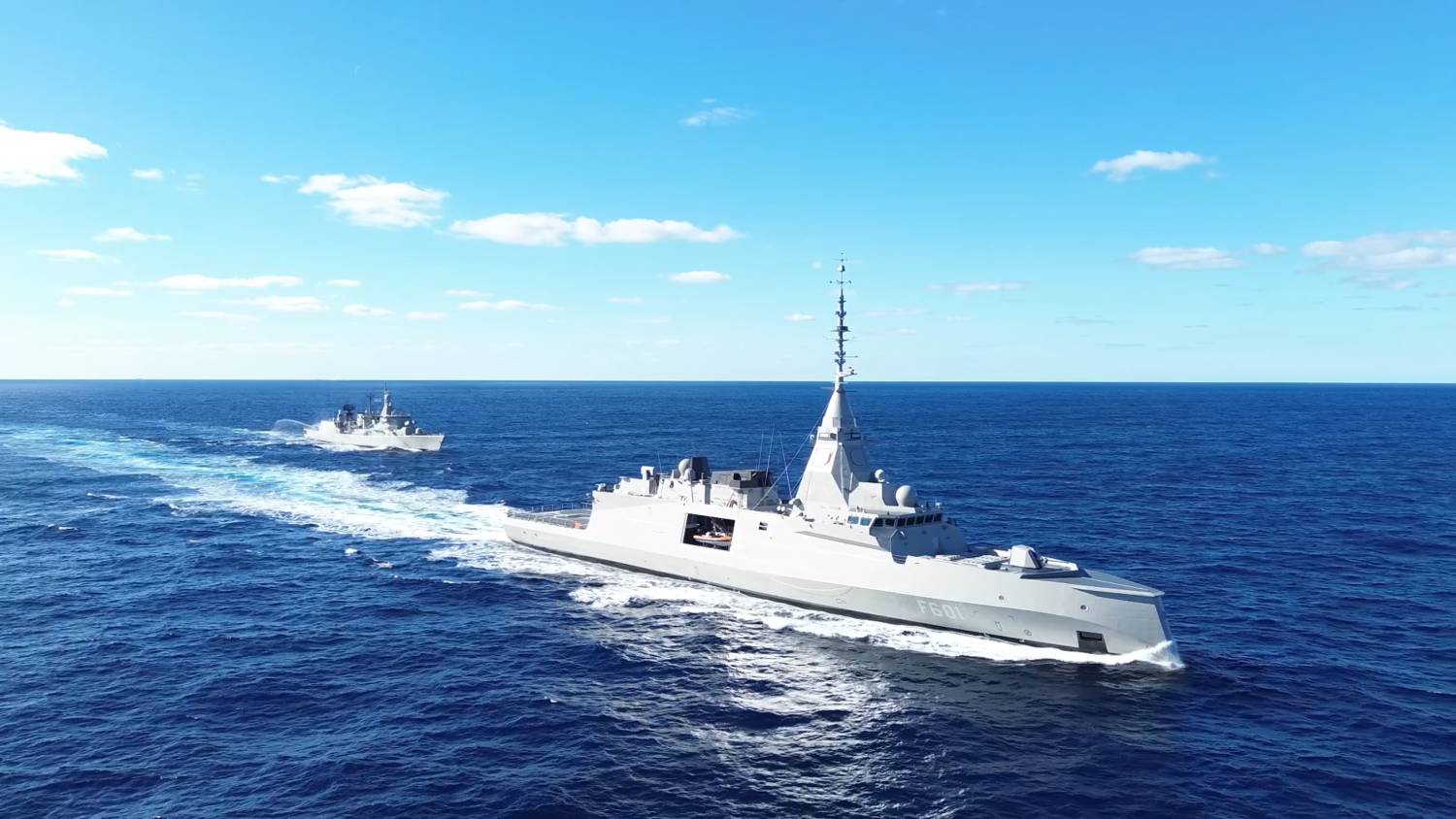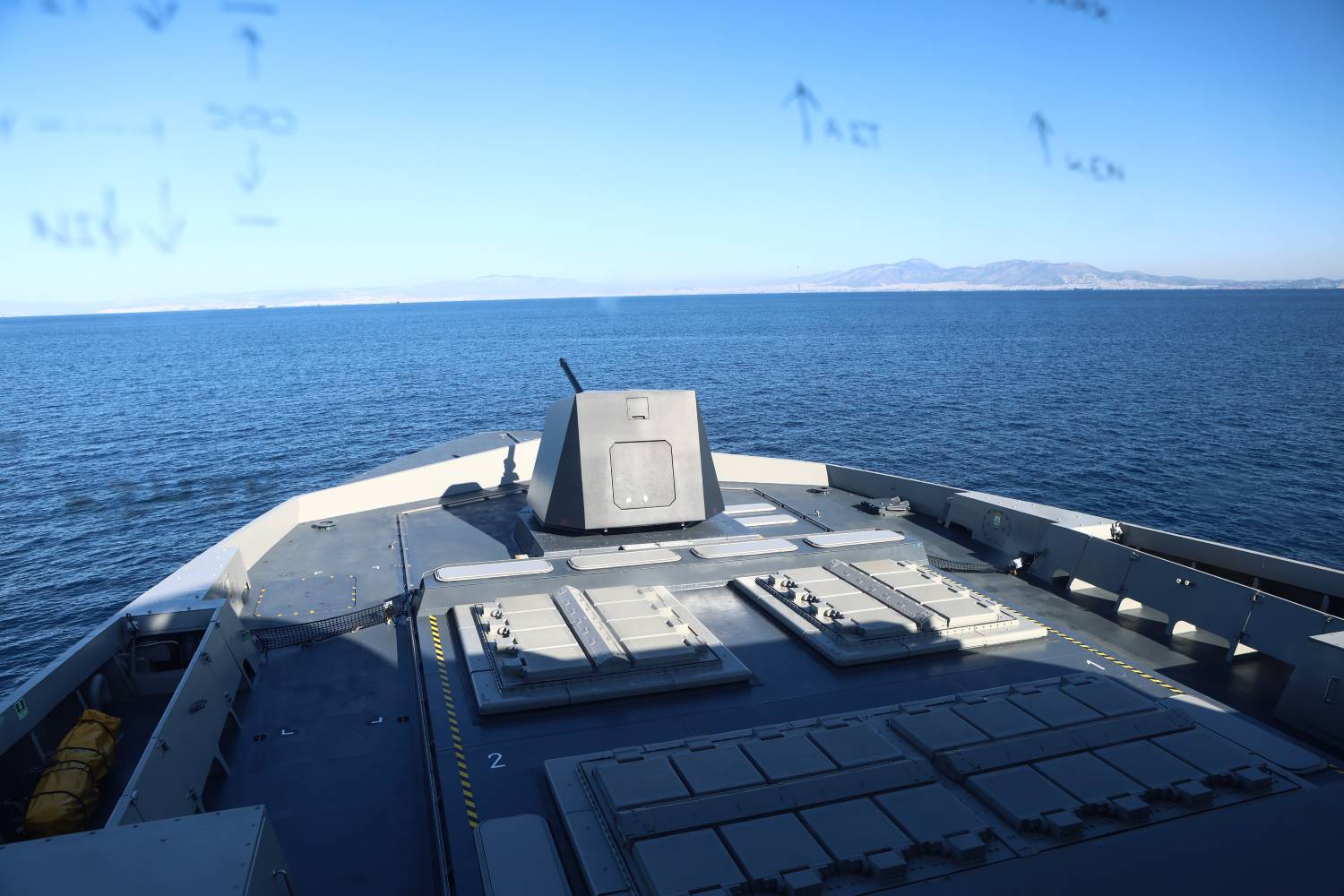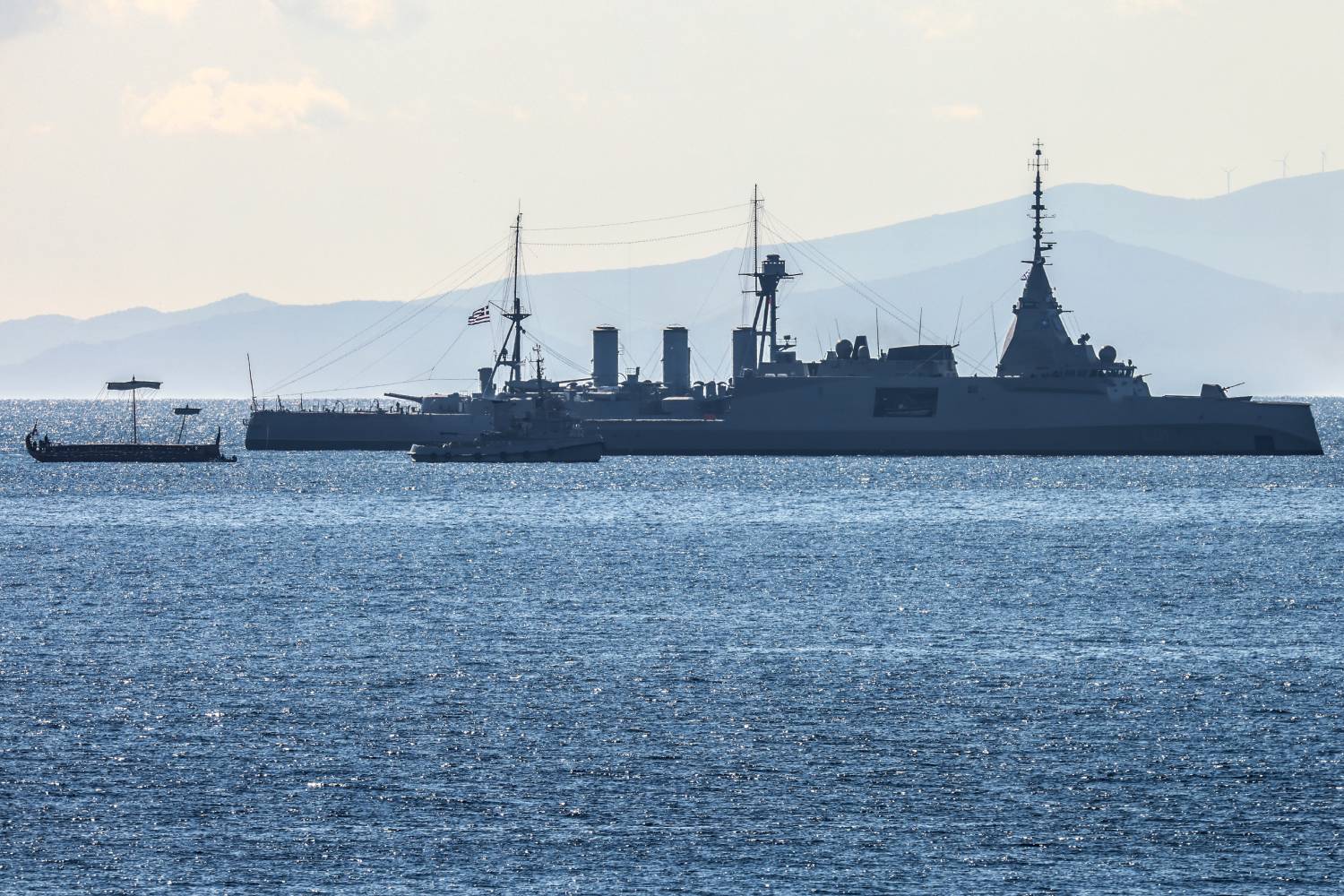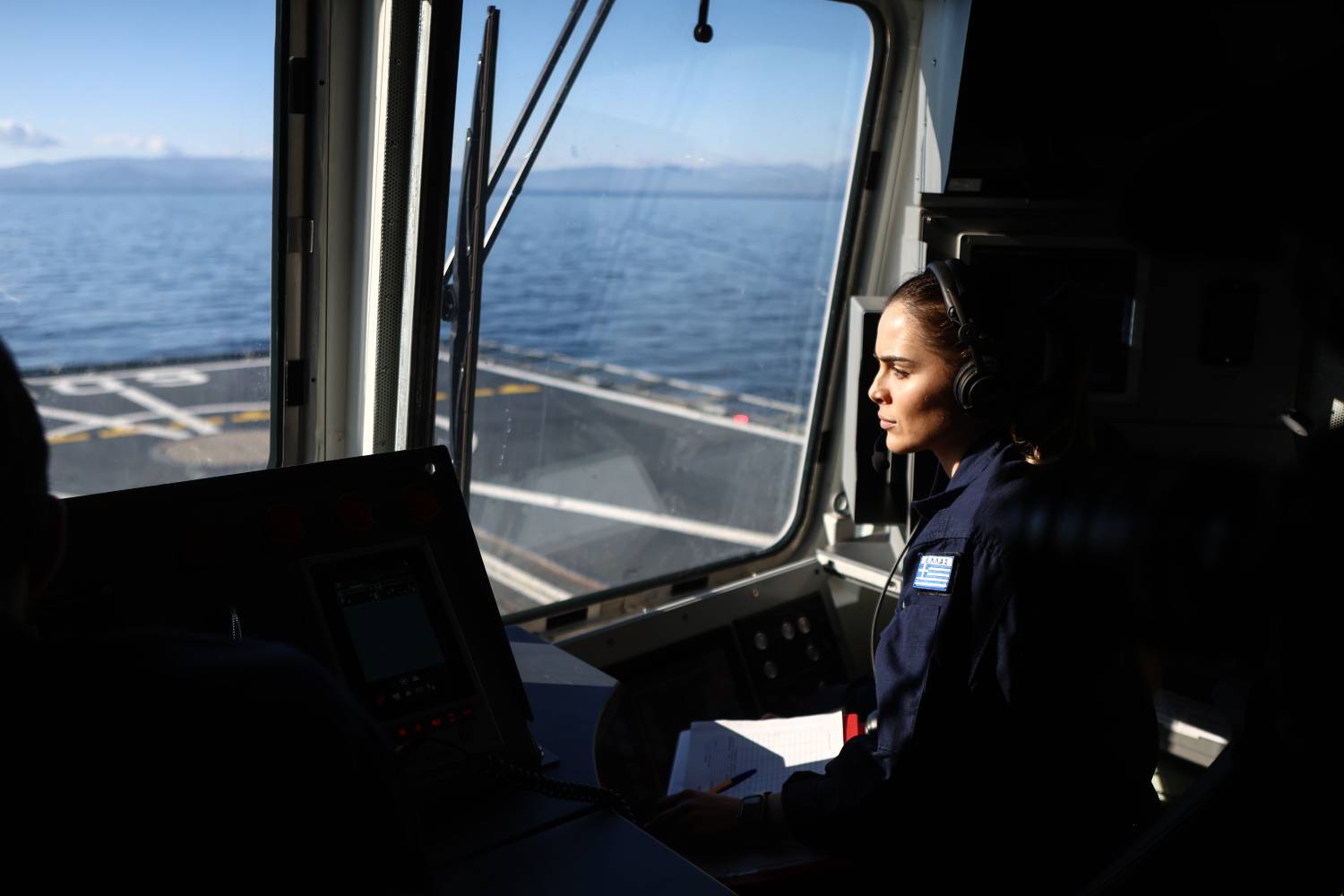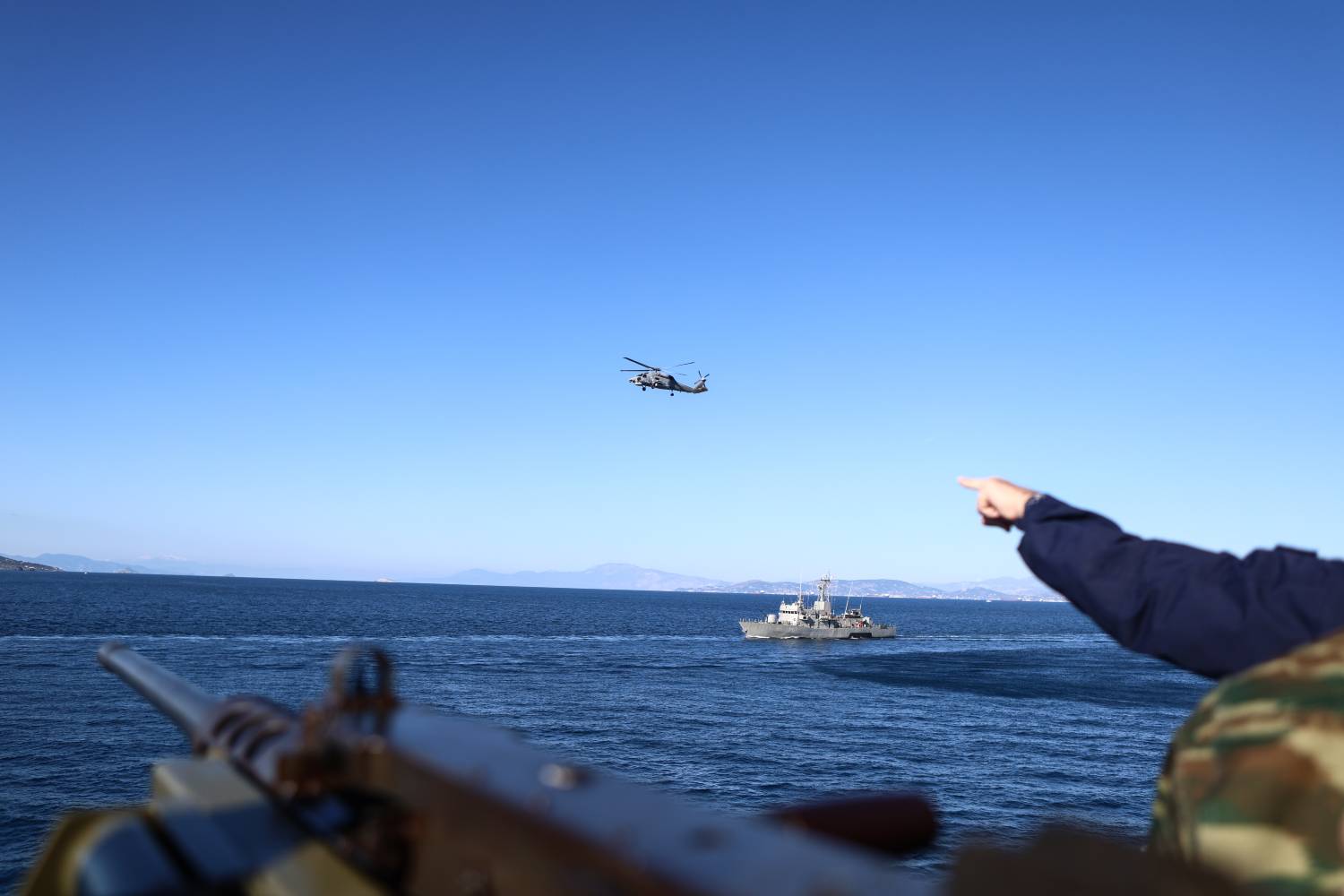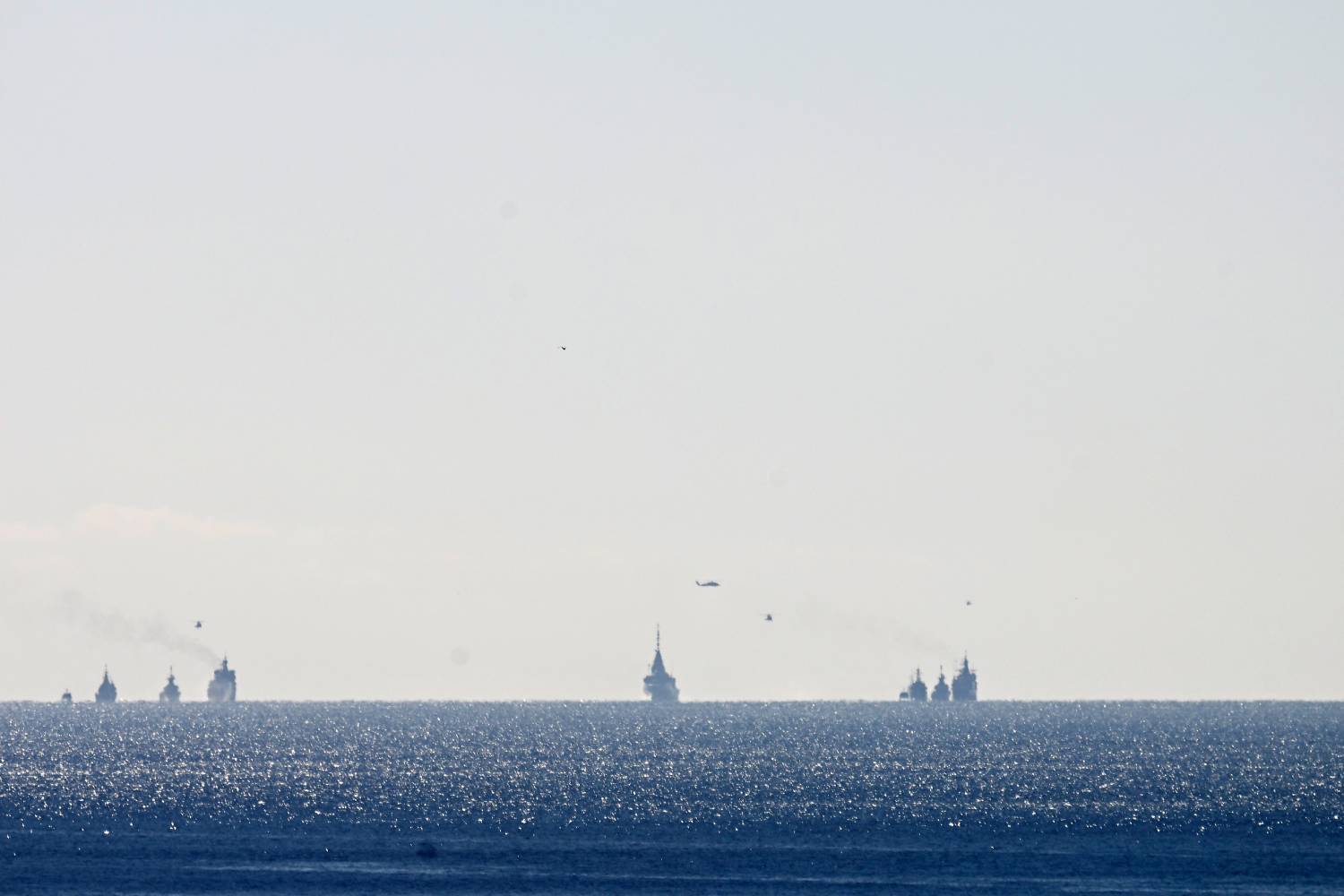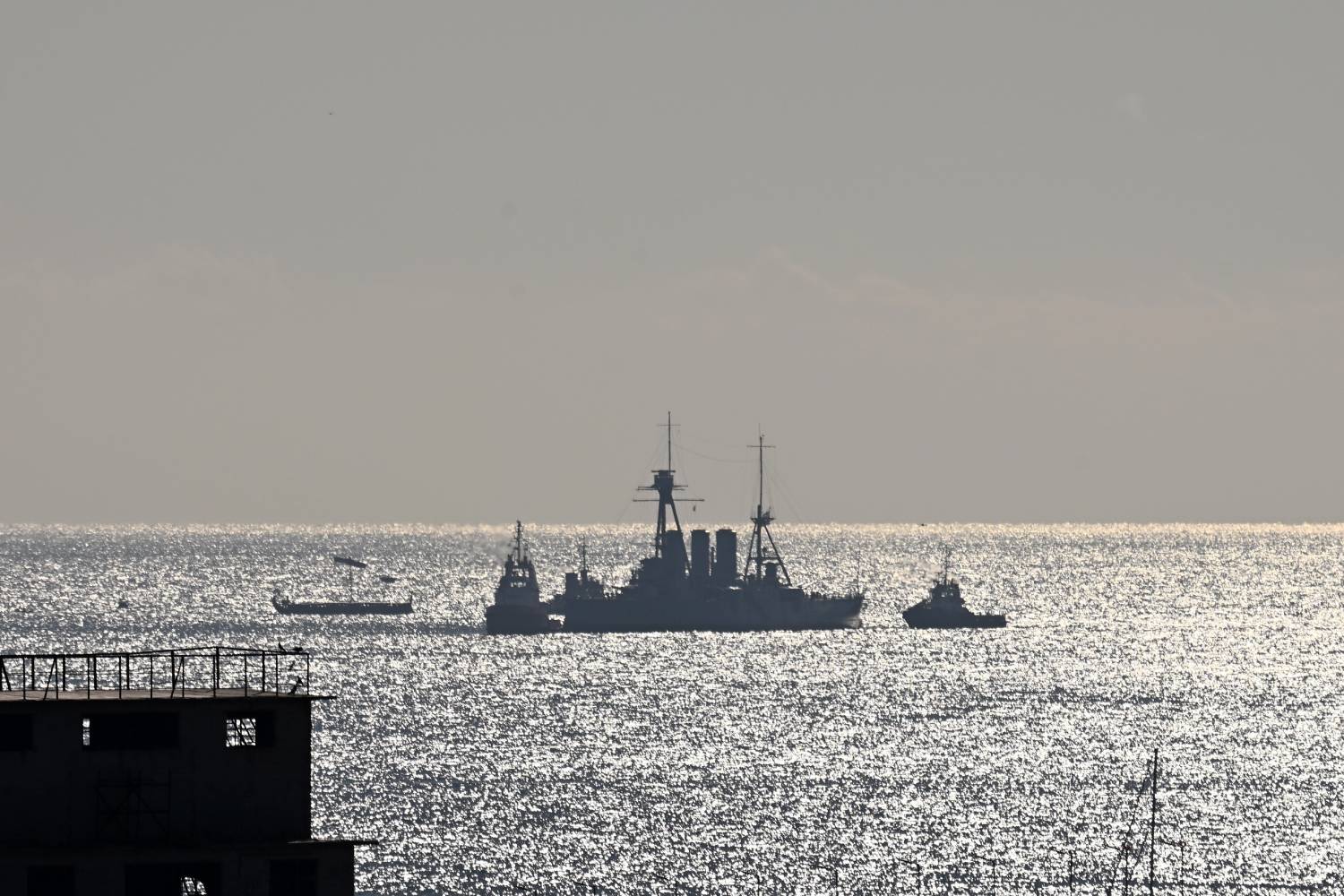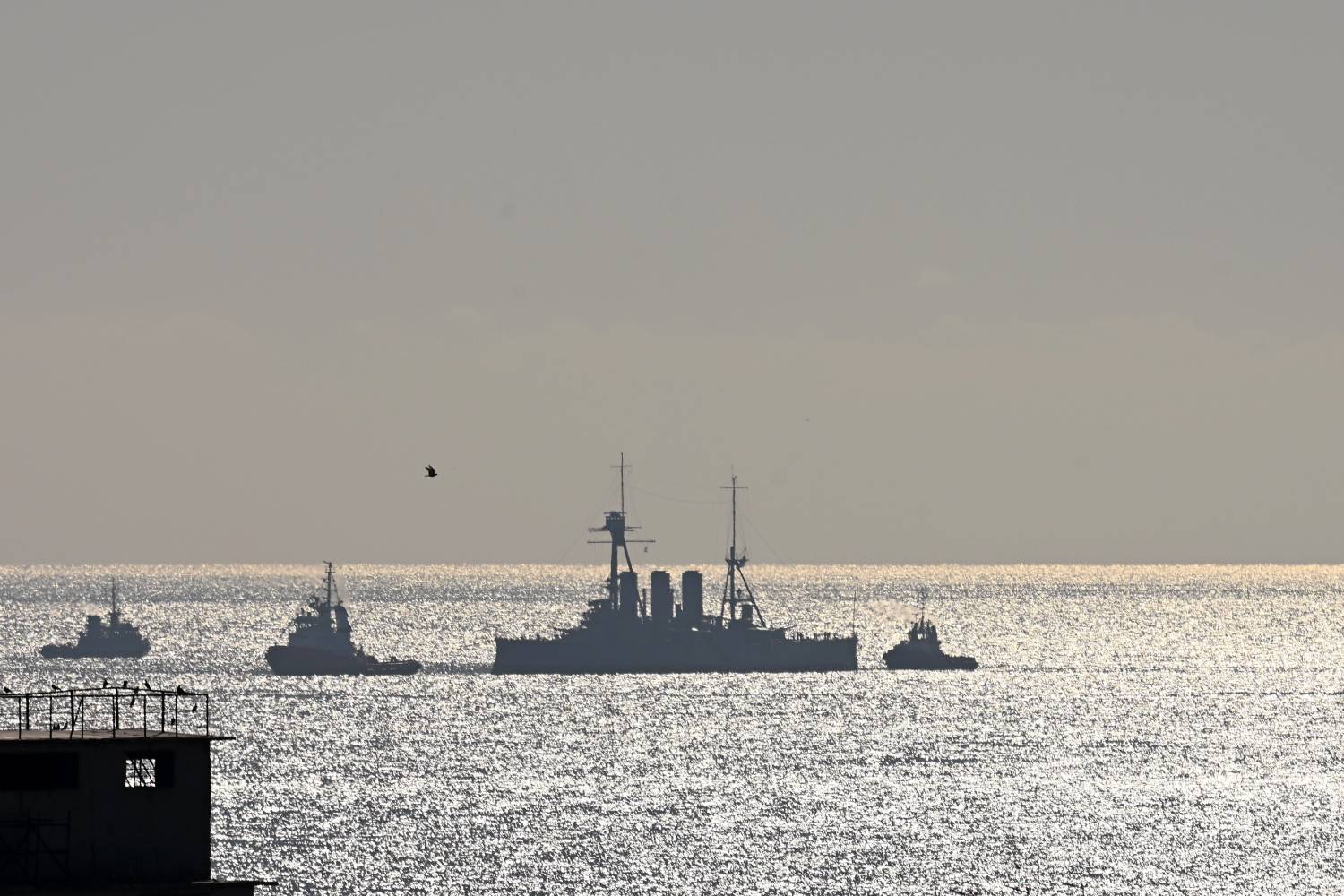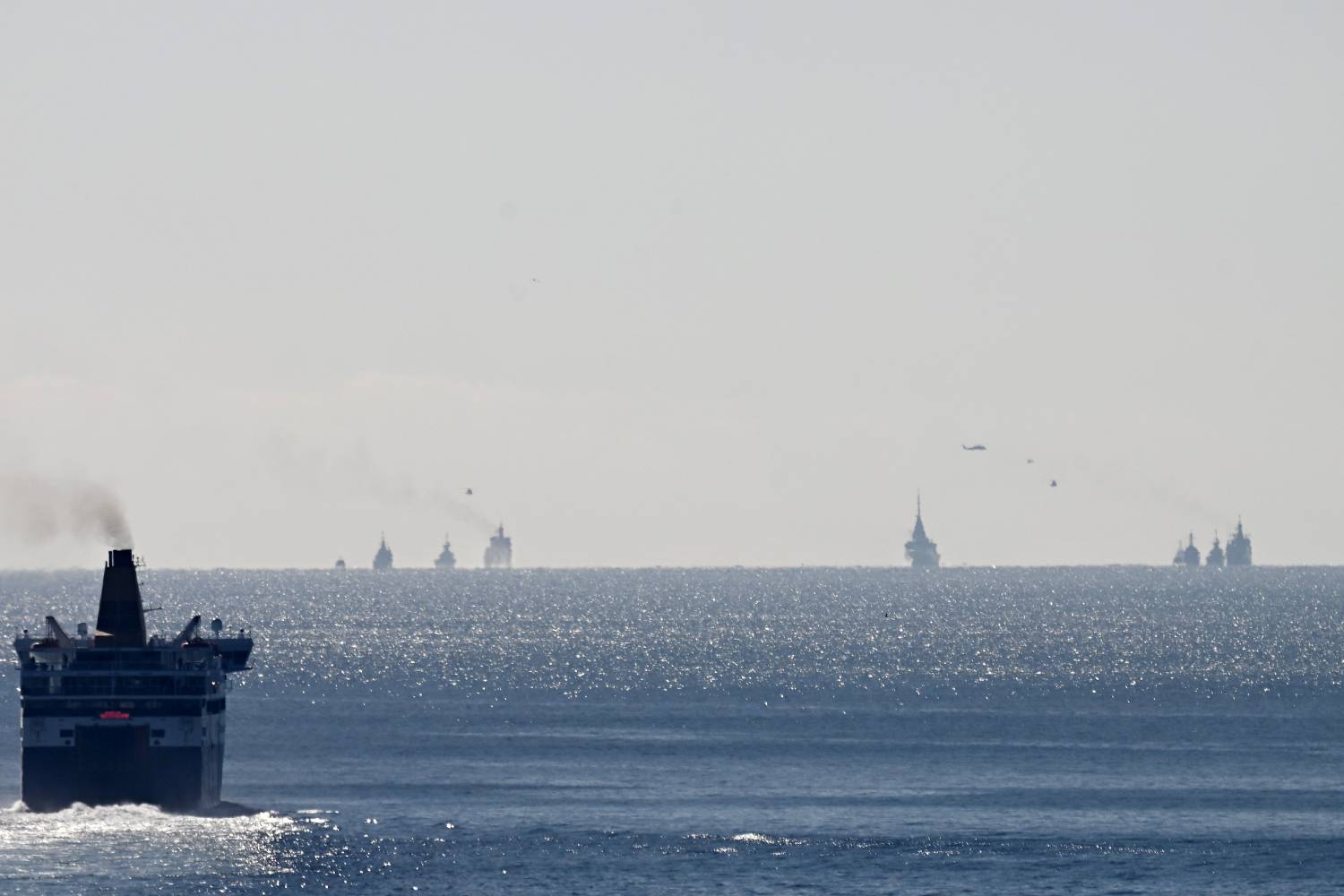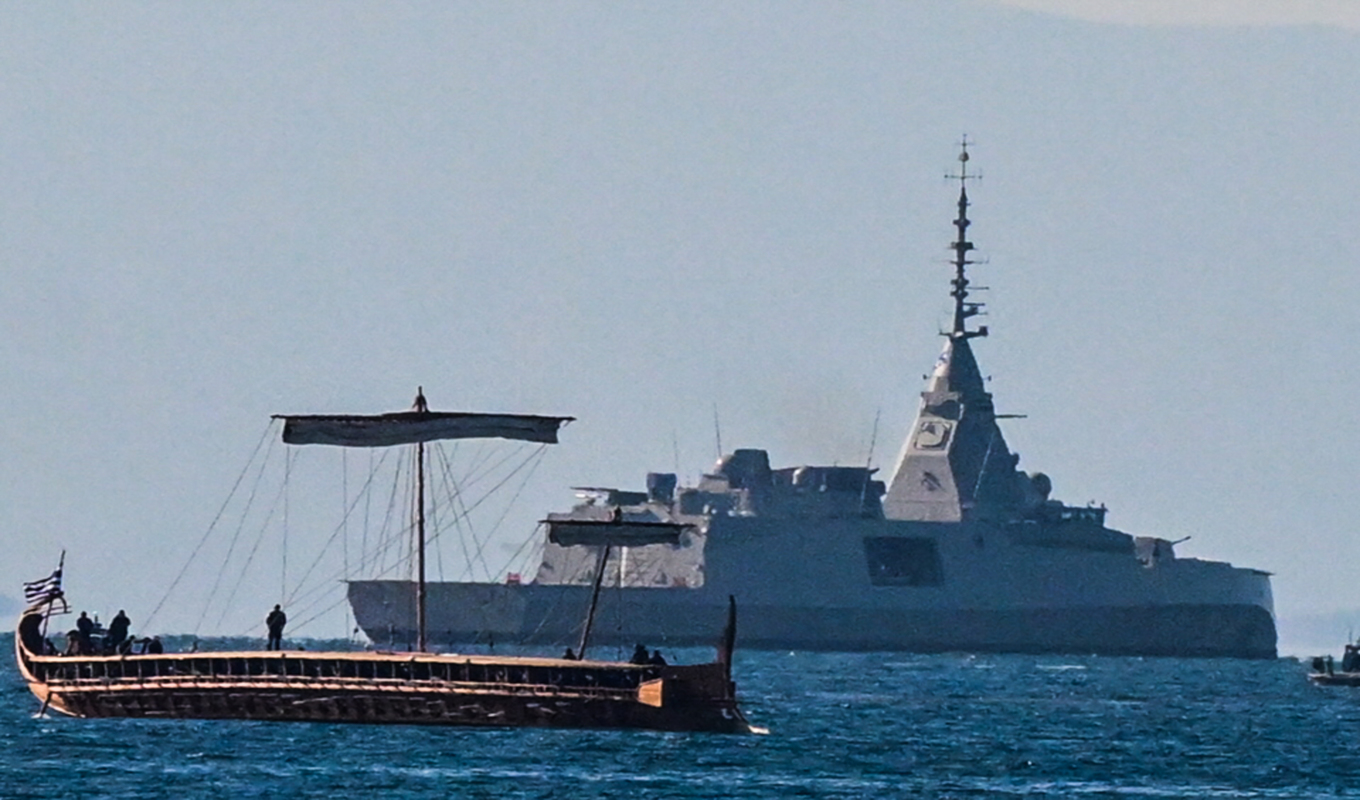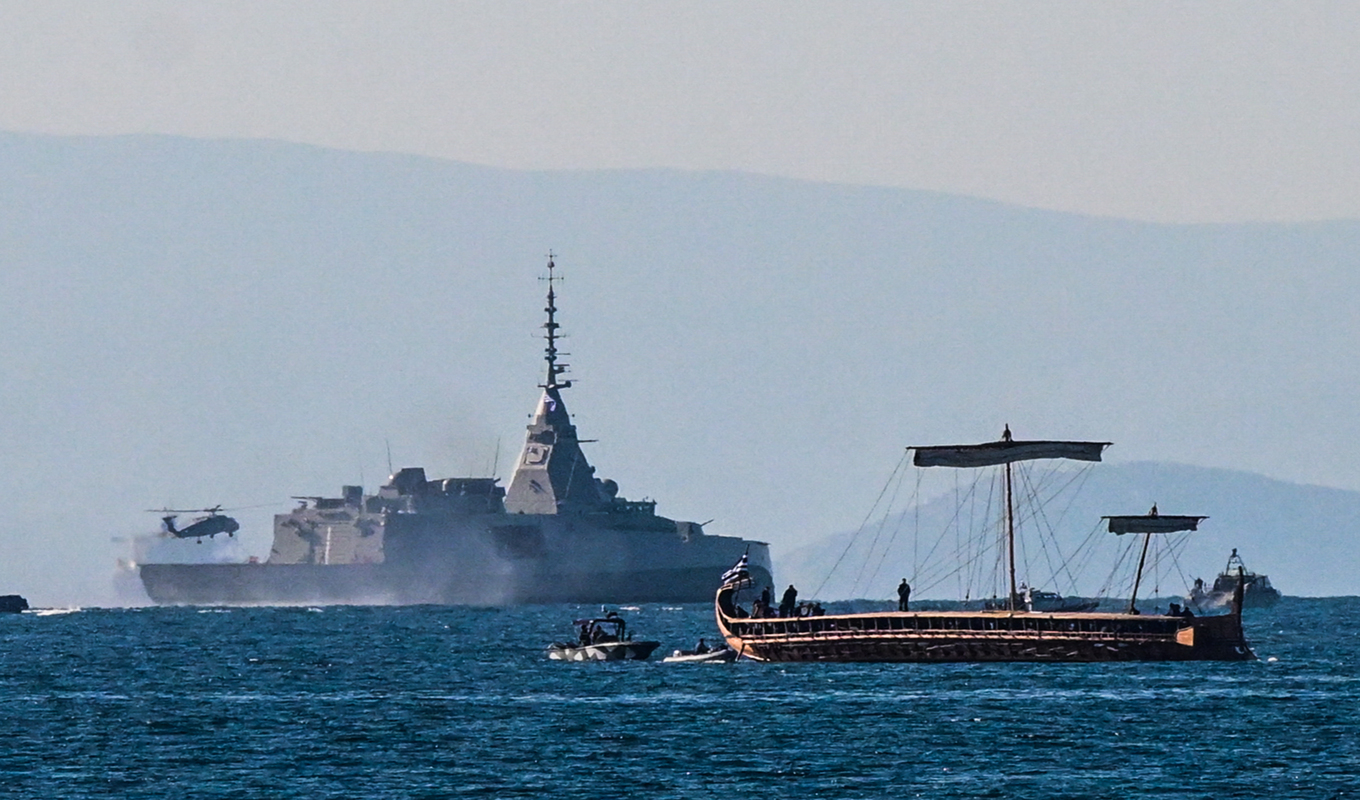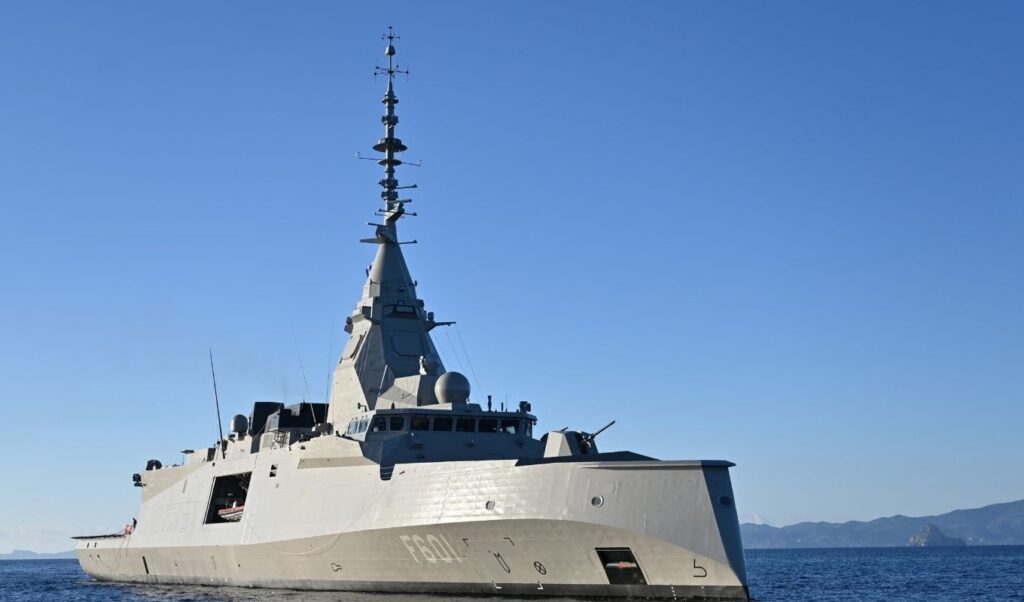
A new era begins for Greece’s Navy with the integration of the frigate “Kimon” into its fleet, giving Greece significant power projection capabilities and shifting the balance in the Aegean and Eastern Mediterranean. The integration of frigate “Kimon” into the fleet represents a milestone for National Defense, substantially enhancing the country’s deterrent capability. The acquisition of advanced frigates like “Kimon” is part of Greece’s broader strategic planning to upgrade its Armed Forces.
Frigate “Kimon”: radar with 500-kilometer range
With the 500-kilometer range of the Belharra’s air target radar, the four warships will be able to “lock down” the entire Aegean Sea. Specifically, they will “see” from the area between Karpathos and Cyprus with great ease and will be able to transmit all data both to the military headquarters in Athens and to Air Force fighter jets, the Rafale and F-16 Viper aircraft, making it possible to target all potential adversaries. Notably, the digital Se Fire radar of the Belharra frigates can track up to 800 aerial targets simultaneously. This means there is capability to detect potential targets from aircraft, helicopters to cruise missiles, anti-ship missiles, hypersonic missiles, ballistic missiles, and Unmanned Aerial Vehicles. The radar’s four fixed AESA plates ensure continuous monitoring across the entire horizon without “dead” zones.
How the Belharra strikes fear into enemy submarines
However, the Belharra’s power is not limited to locking onto aerial targets, but also has the capability to strike fear at surface level. The Belharra’s radar has the ability to detect ships of frigate size from 80-plus kilometers away, which it can strike with its Exocet missiles or provide targeting data to all other Navy ships or Air Force fighter aircraft.
The frigates will also be a headache for enemy submarines, as they will be equipped with Romeo anti-submarine helicopters as well as their own Variable Depth Sonar (VDS) CAPTAS-4 (Configuration as Perceived by the Sensor – 4) anti-submarine sonar.
This system is deployed at great depths, allowing effective submarine detection under different water temperature and salinity conditions.
It should be noted that these specific frigates have a very small acoustic signature, giving them a tremendous advantage against enemy submarines as they will not be able to detect them early or at long distances. The result is that the Belharras have the capability to either approach and launch their anti-submarine helicopters or detect submarines and strike them with MU90 lightweight anti-submarine torpedoes.
The first digital frigate
The characteristics of the FDI HN frigates make them dominant at sea. This is an open-ocean warship, displacing 4,500 tons, multi-mission with exceptional durability, which features:
– High-level capabilities in all areas of naval warfare: anti-ship, anti-aircraft, anti-submarine and special forces projection, with unique capabilities against asymmetric threats.
– Benefits from Thales’ most recent technological innovations in radar, sonar and electronic warfare.
Features extremely powerful armament (MBDA Exocet MM40 B3C anti-surface missiles and Aster 30 anti-aircraft missiles, RAM missiles, MU90 anti-submarine torpedoes, guns).
– The FDI HN frigate also has the capability and capacity to simultaneously embark a helicopter and an unmanned aerial vehicle (UAV).
– Incorporates all the expertise of all Naval Group partners and subcontractors.
Technical specifications and main armaments of the Belharra
Technical specifications:
– Displacement: 4,500 tons
– Length: approximately 122 meters
– Width: 18 meters
– Maximum speed: 27 knots
– Aircraft facilities: 10-ton class helicopter, VTOL unmanned aircraft (UAV)
Main armaments:
– 32 Aster missiles developed by MBDA
– 8 Exocet MM40 B3C missiles developed by MBDA
– RAM missiles
– MU 90 torpedoes developed by Naval Group
– 76mm gun
– 4 torpedo tubes
– CANTO countermeasures developed by Naval Group
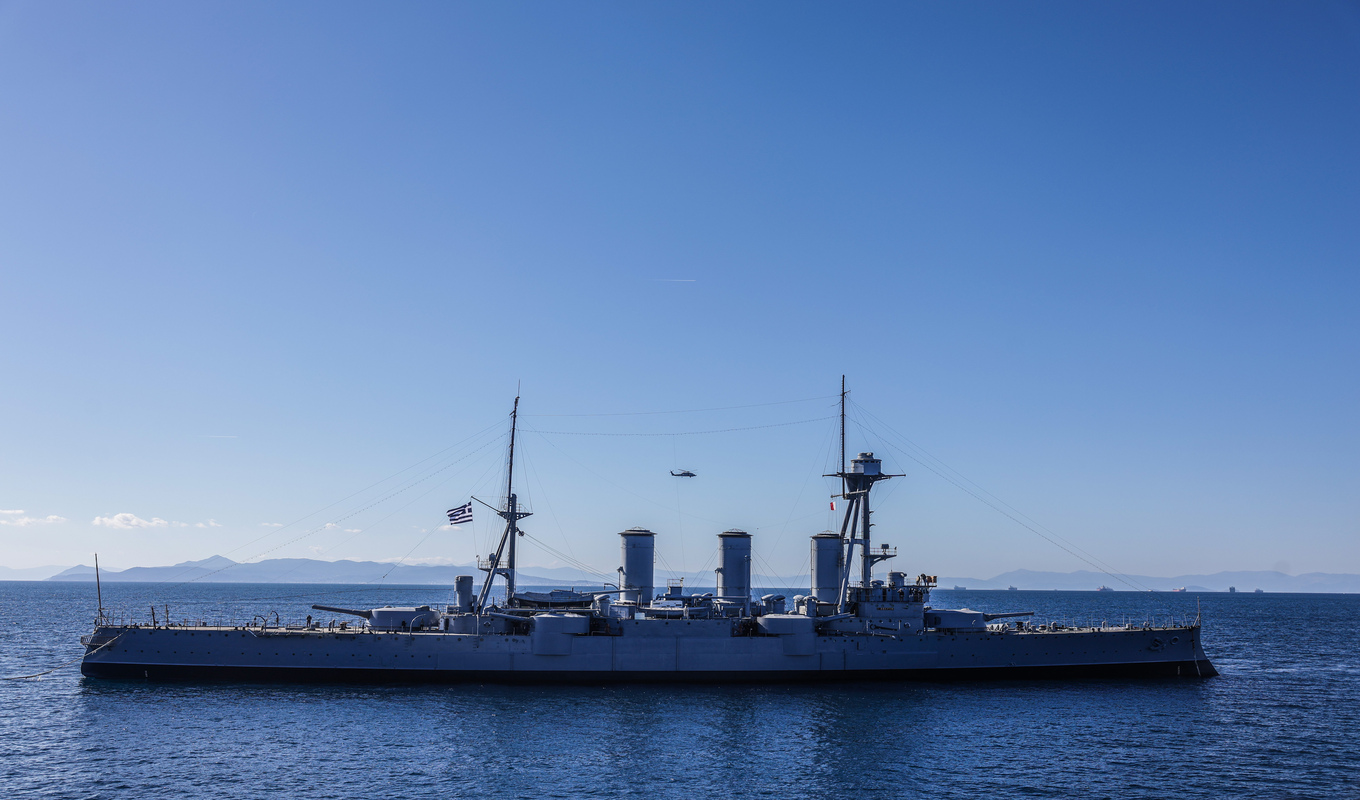
Frigate “Kimon”: see images from the grand reception at Salamis naval base