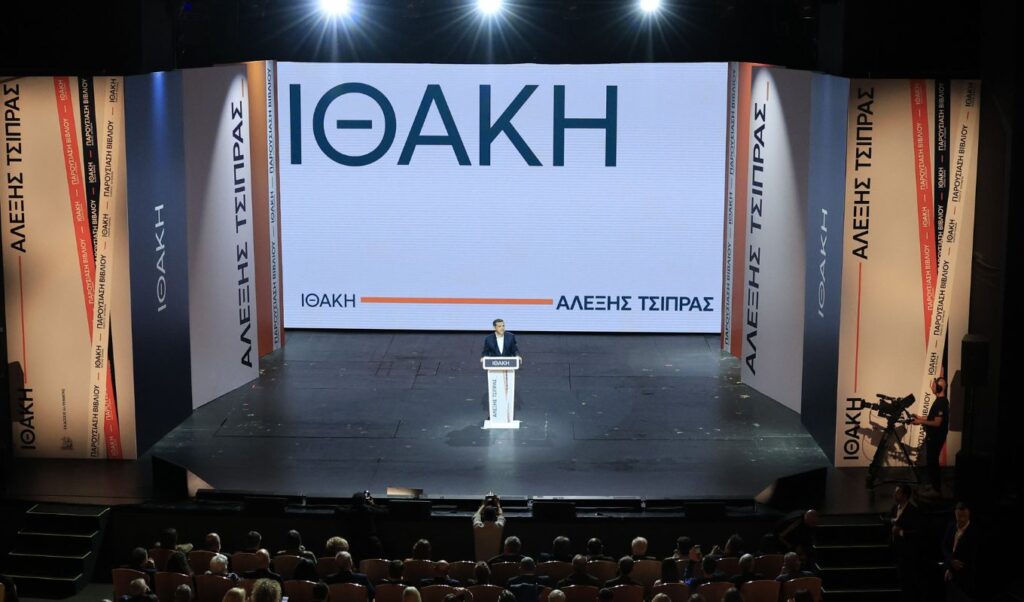
The release of “Ithaca” by Alexis Tsipras appears to be interpreted by the overwhelming majority of citizens as an attempt by the former prime minister to return to active politics with a leading role and as a herald of a new party formation. According to an online poll conducted by parapolitika.gr, with participation from 1,070 people, 87% believe the book constitutes an attempt by Alexis Tsipras to return to the spotlight, while 72% believe it foreshadows the creation of a new party. The research findings reveal a remarkable paradox: despite the high sales the book is achieving, the majority of respondents express clear rejection and view the publication primarily as a political venture with specific strategic objectives.
Tsipras’s “Ithaca”: interest in purchasing the book
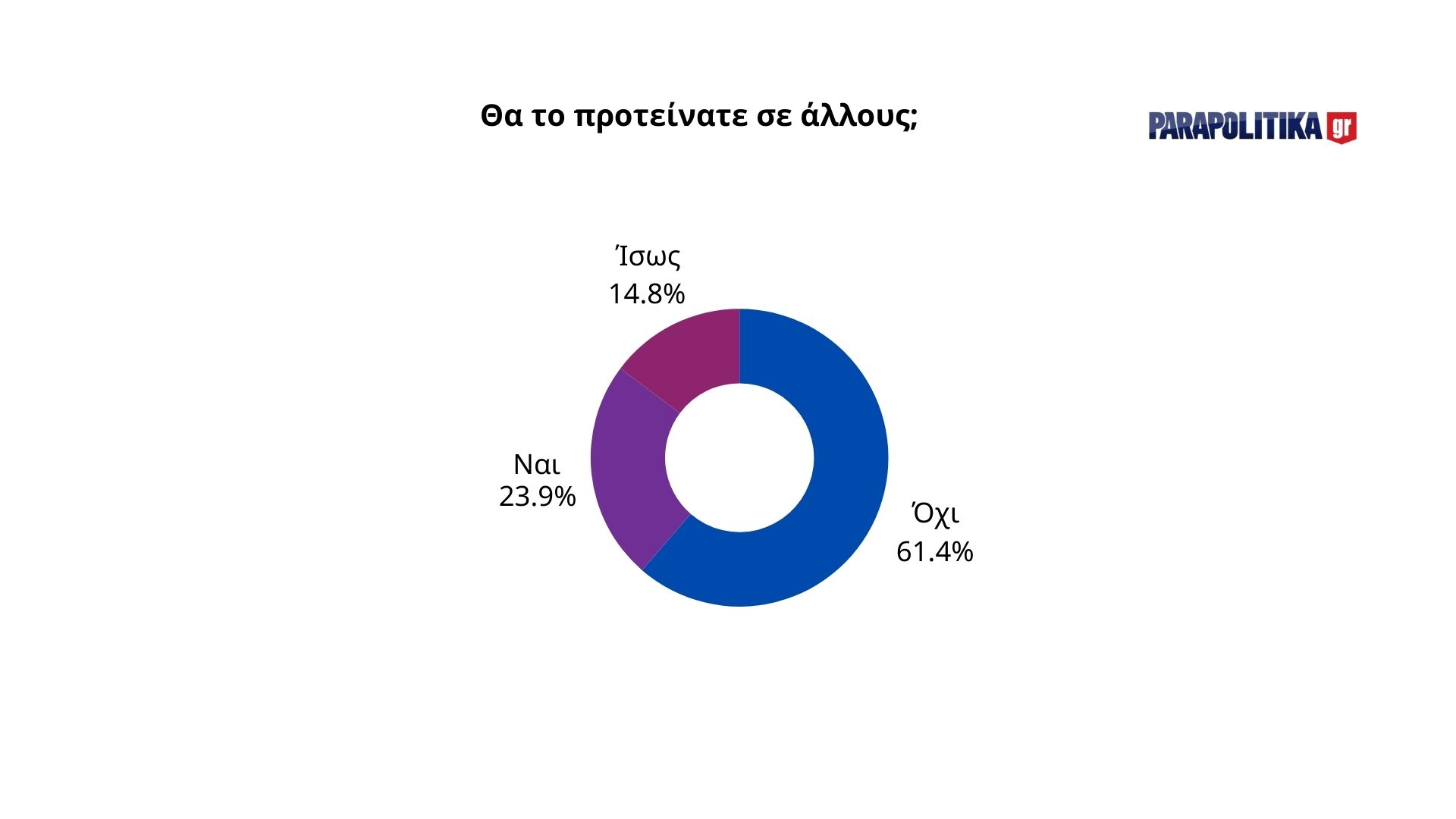
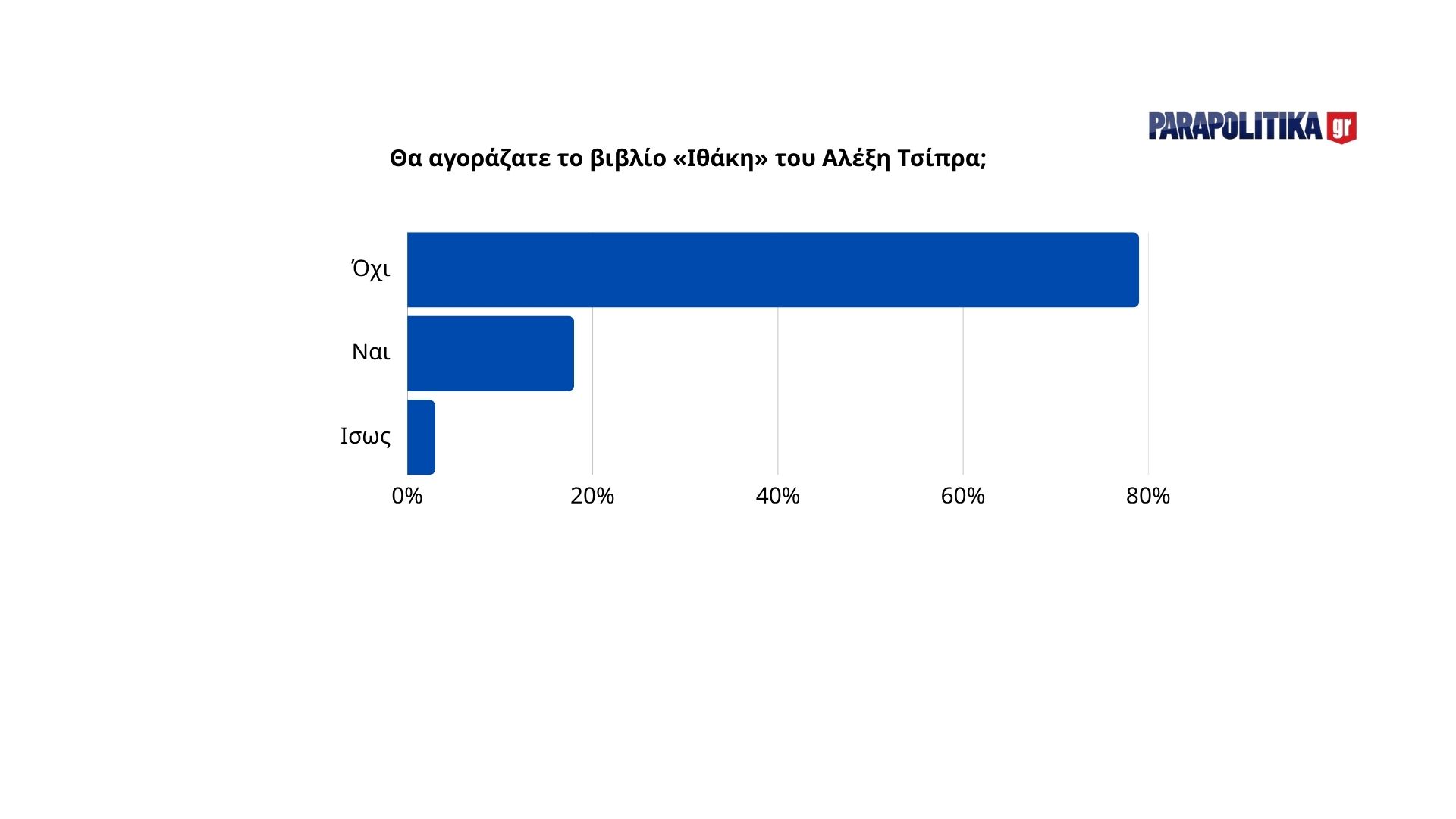
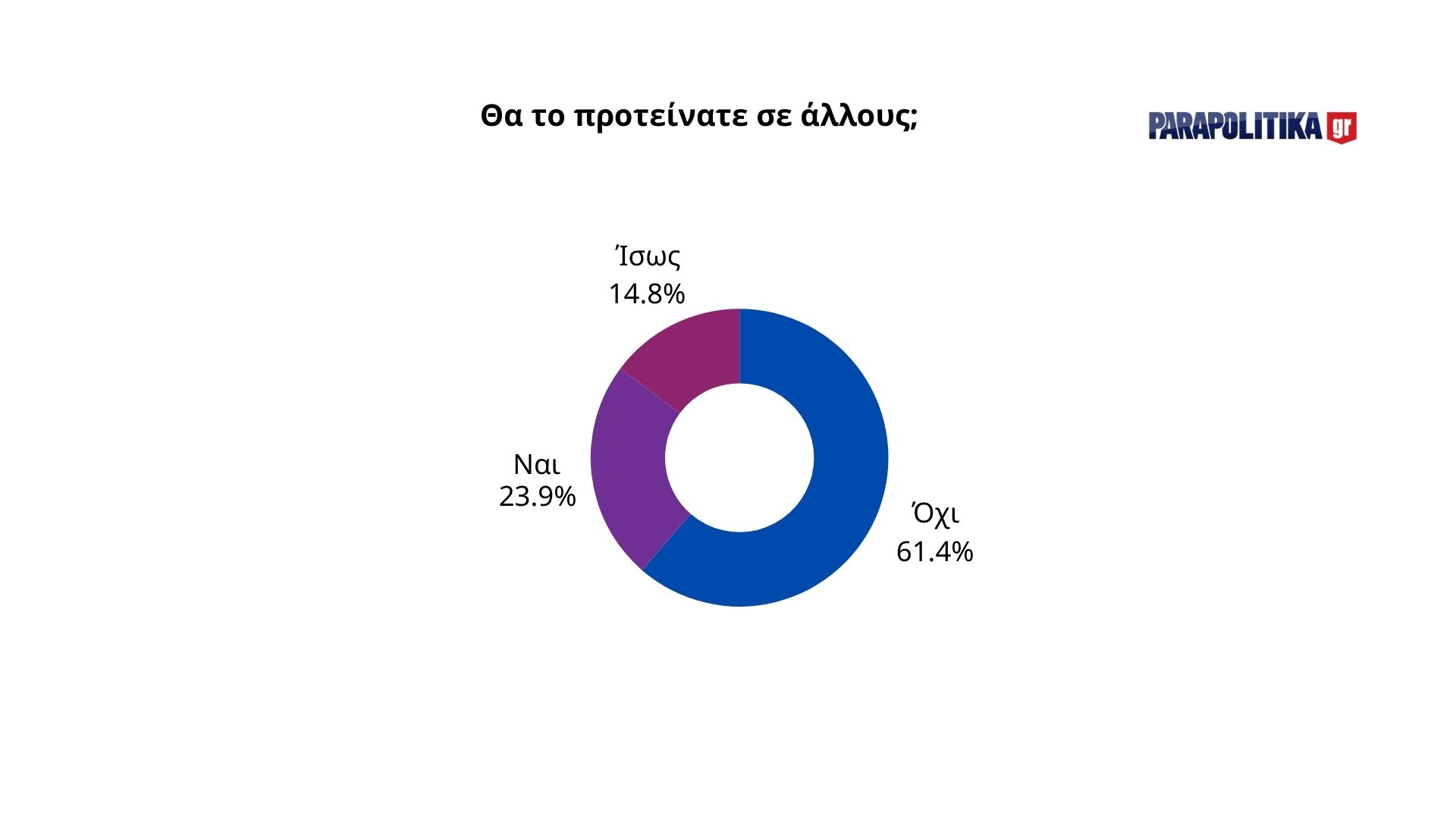
The main finding of the online poll concerns purchasing interest: 79% of respondents stated they do not intend to buy Alexis Tsipras’s book “Ithaca”. Only 18% expressed positive intention, while a marginal 3% answered “maybe”. The cautious stance is confirmed by the response to the question of whether they would recommend it to others: 80% of participants answered negatively, compared to only 13% who expressed a positive view.
Political motives and strategic timing
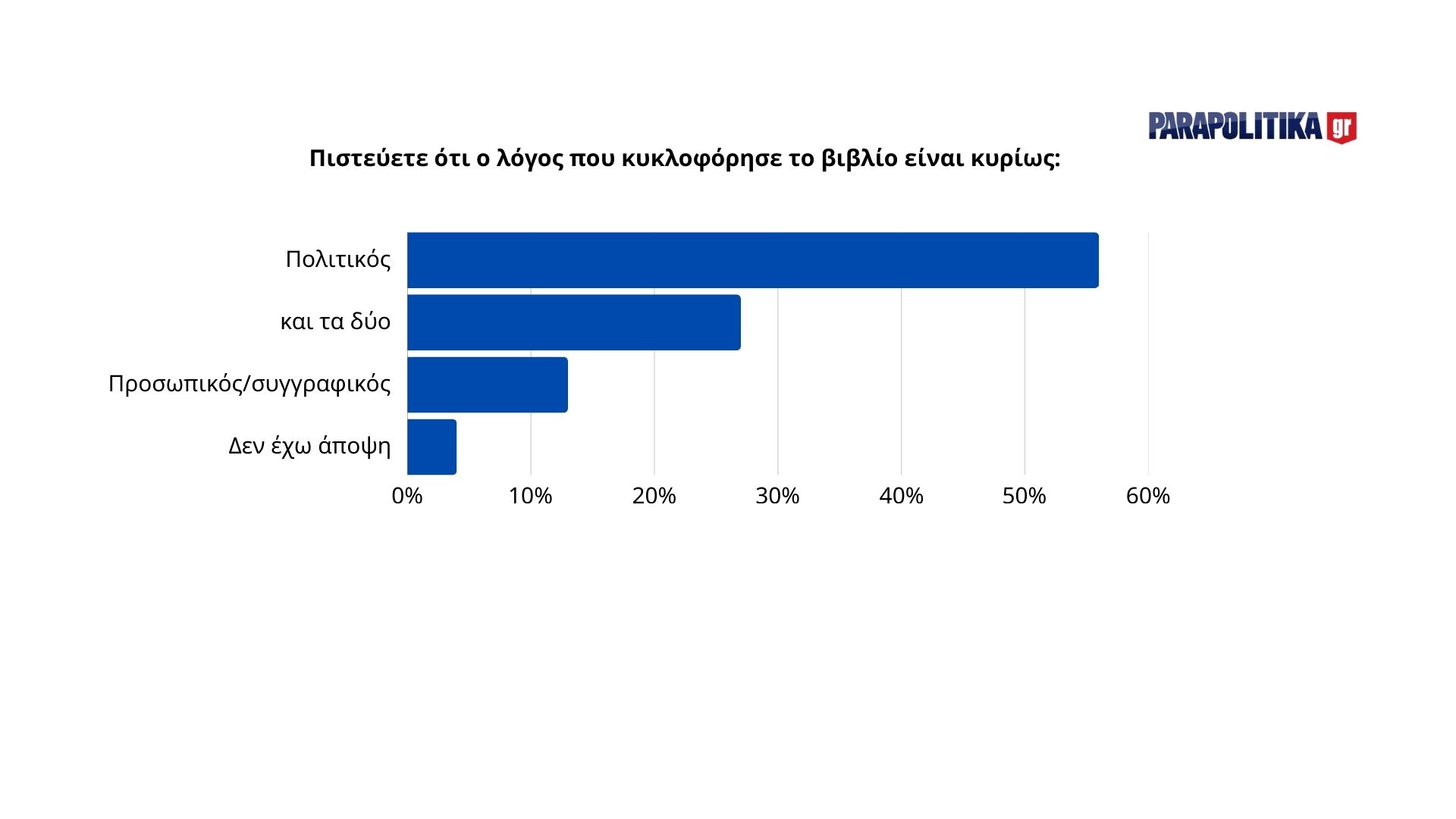
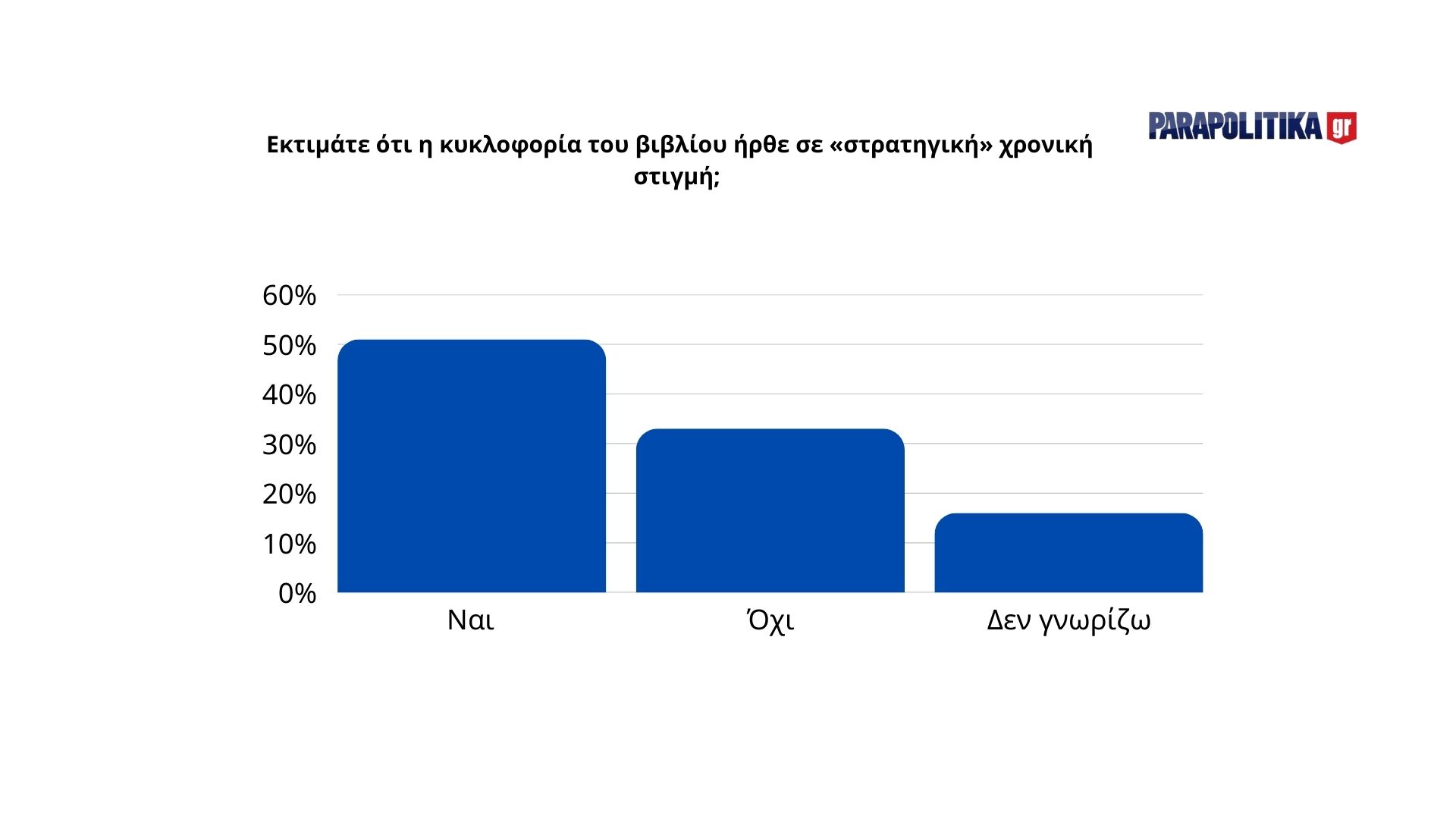
According to the parapolitika.gr online poll results, the majority of respondents (56%) estimate that the reason for the book’s release is primarily political, while 27% believe it combines political and personal reasons. Only 13% characterize the release as a purely personal or authorial choice. Meanwhile, 51% of participants estimate that the book’s release took place at a strategically timed juncture, compared to 33% who disagree with this assessment.
Prospect of return to the political scene
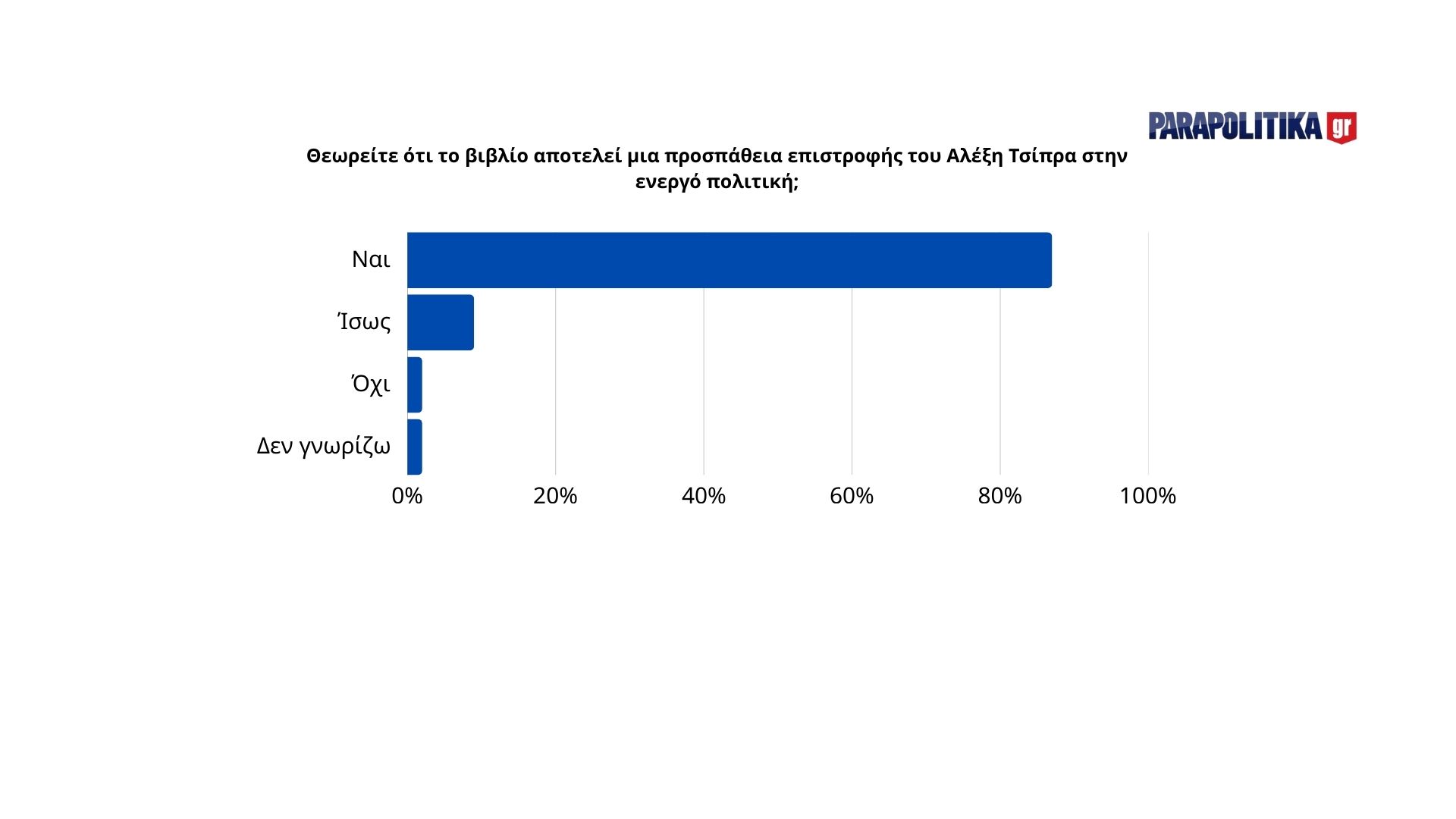
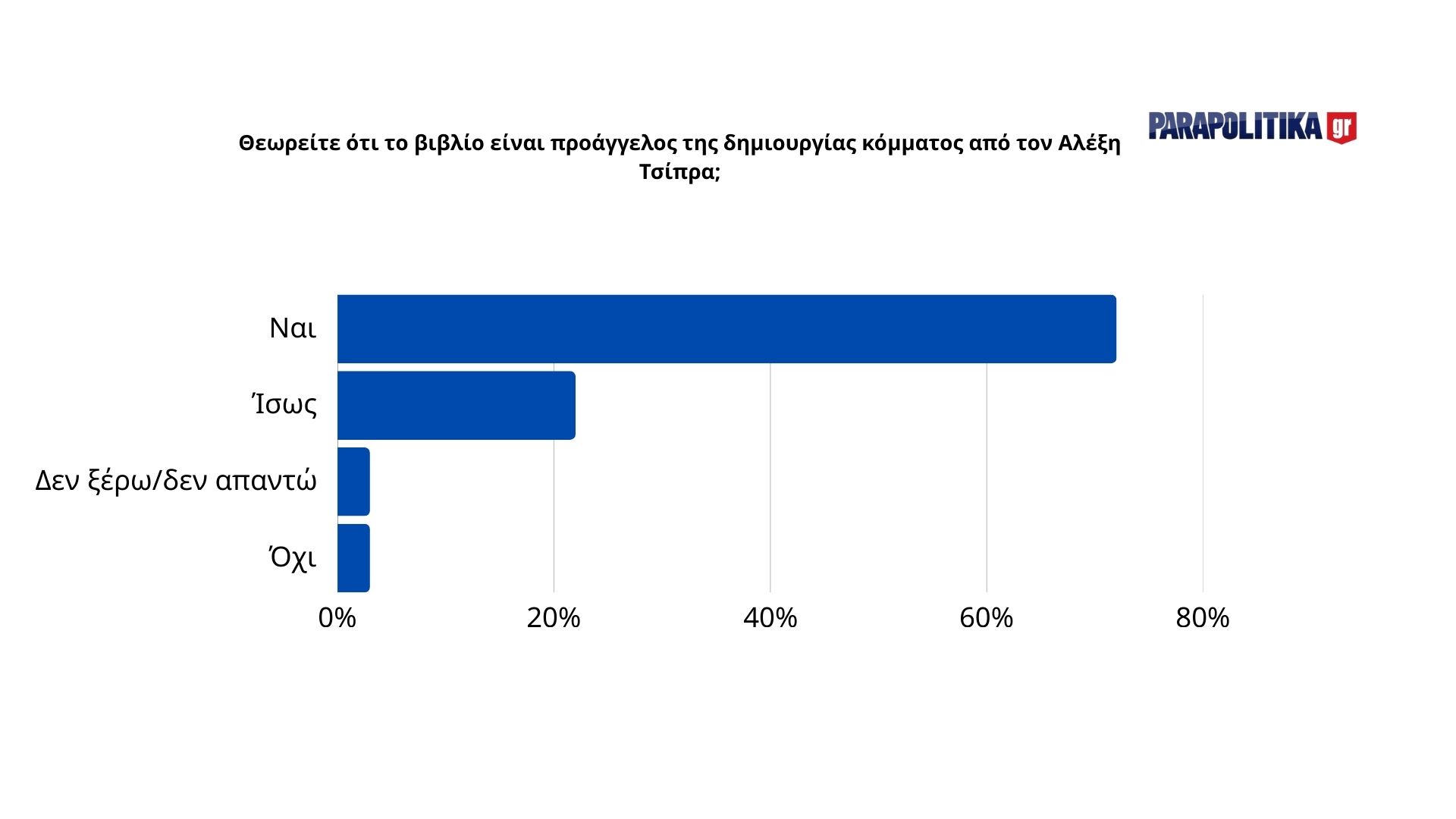
As mentioned earlier, 87% of respondents believe that the book “Ithaca” constitutes an attempt by Alexis Tsipras to return to active politics. Only 2% of participants express a different view, while 9% choose the answer “maybe”. Particularly impressive is the fact that 72% estimate that the book’s release heralds the creation of a new political formation by the former prime minister, with 22% stating “maybe” and only 3% ruling out such a possibility.
Expected impact on SYRIZA and the political landscape
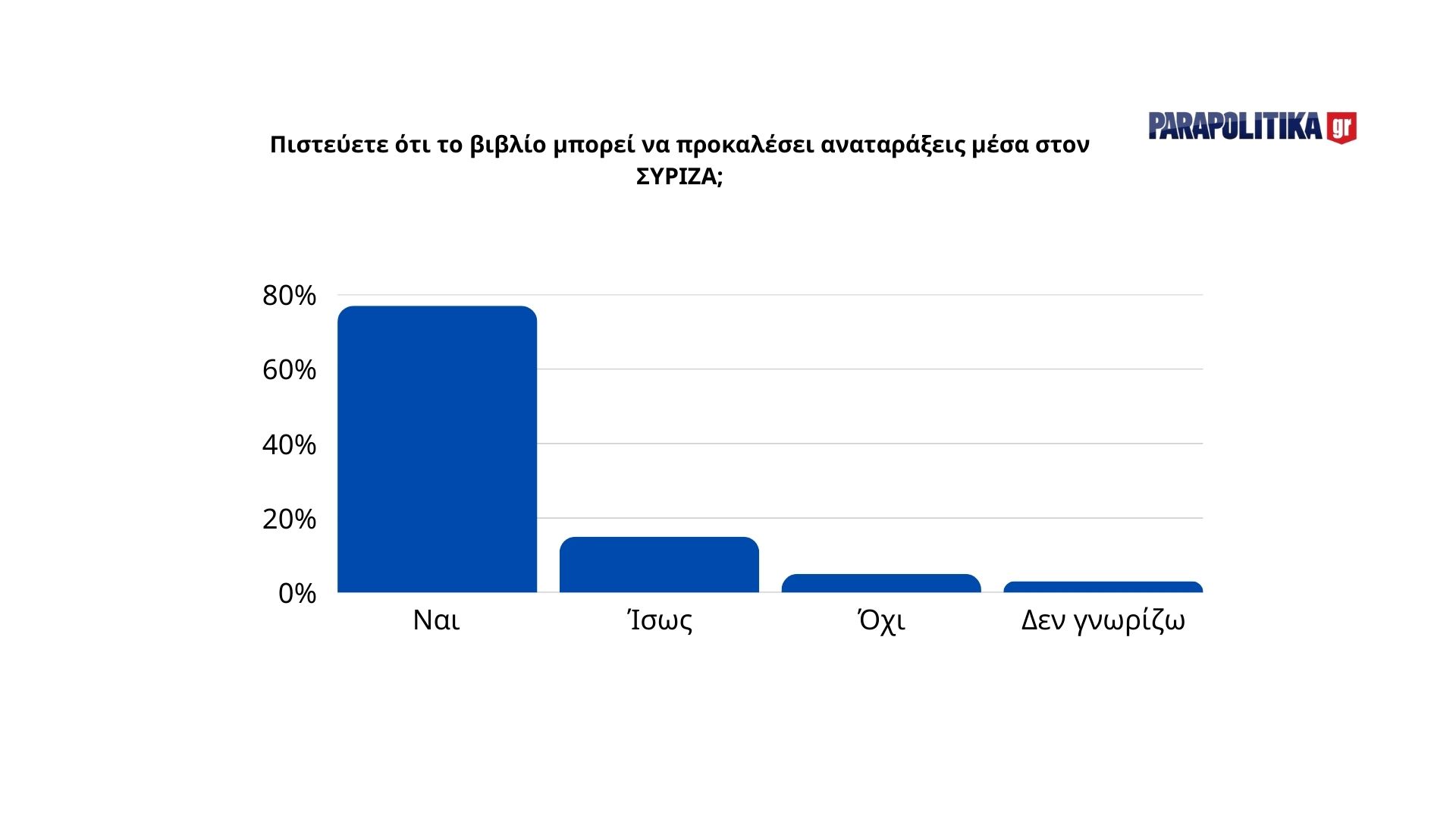
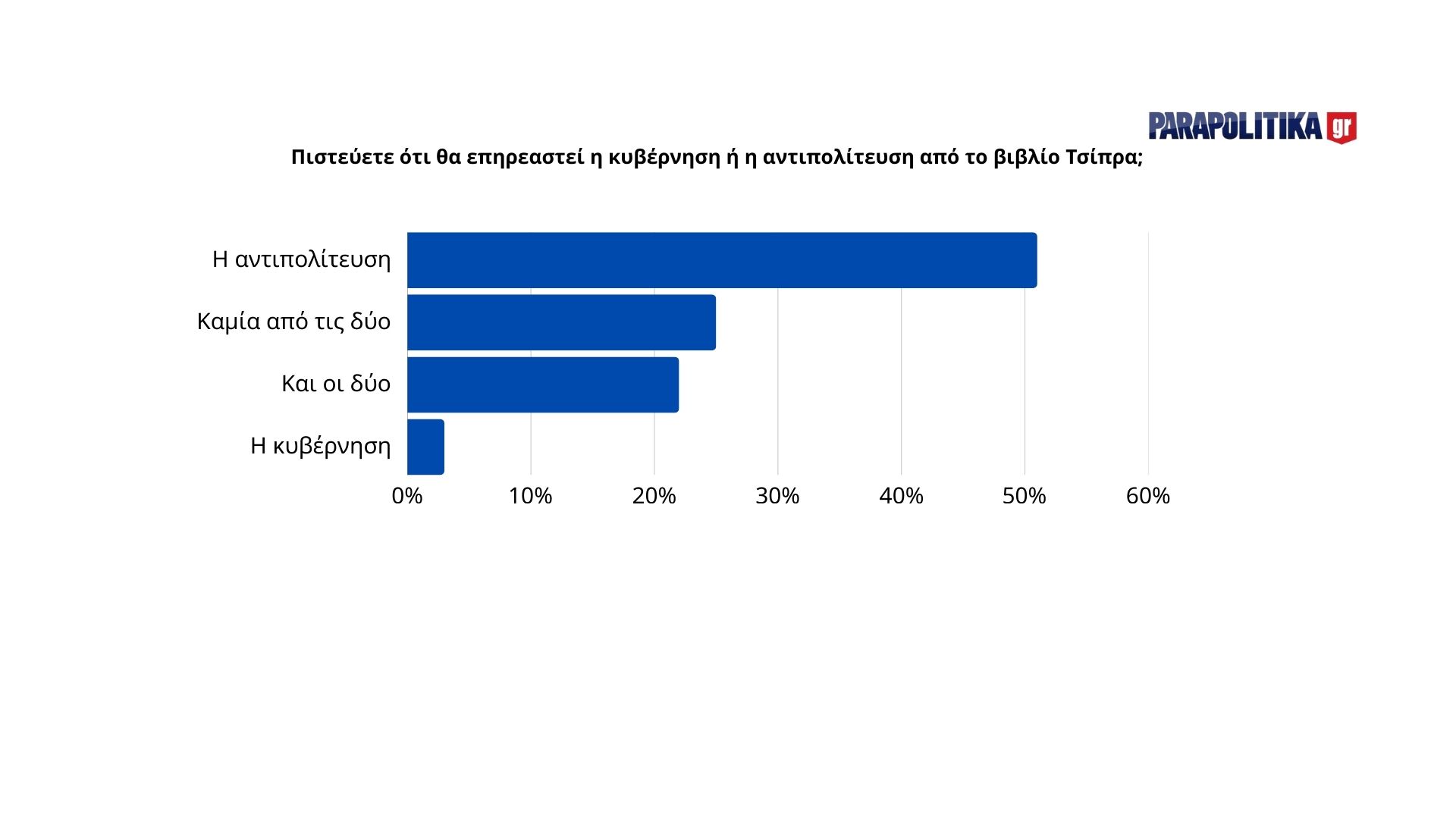
77% of participants predict that the book may cause internal party turmoil in SYRIZA, while 51% believe its release will primarily affect the opposition. Nevertheless, the majority (59%) estimate that the political scene will not change, compared to 26% who predict limited changes and 12% who expect significant alterations.
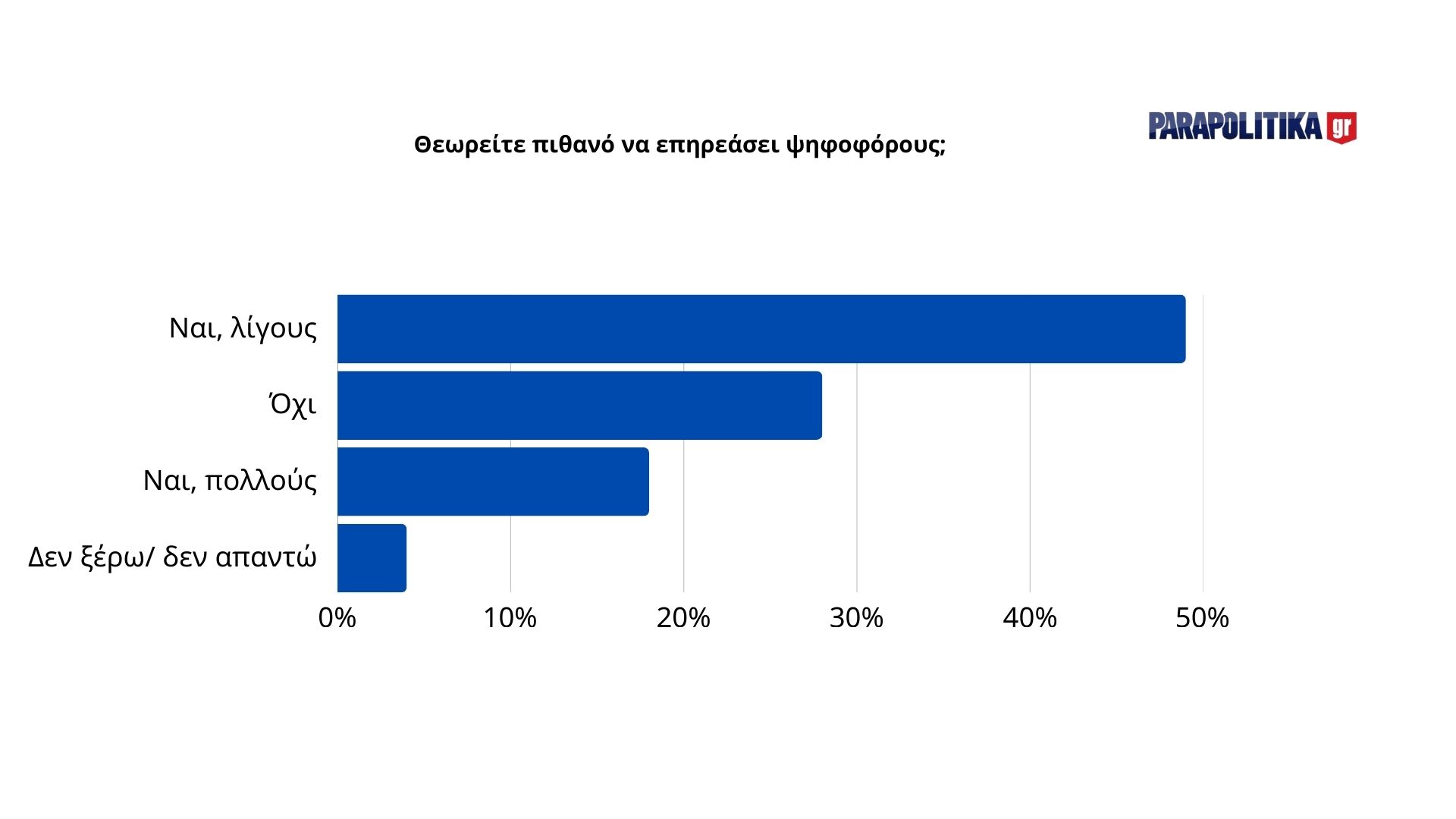
Regarding influence on the electorate, 49% estimate that a limited number of voters will be affected, 28% believe there will be no influence, while 18% predict broader impact.
Perceptions of justification and political criticism
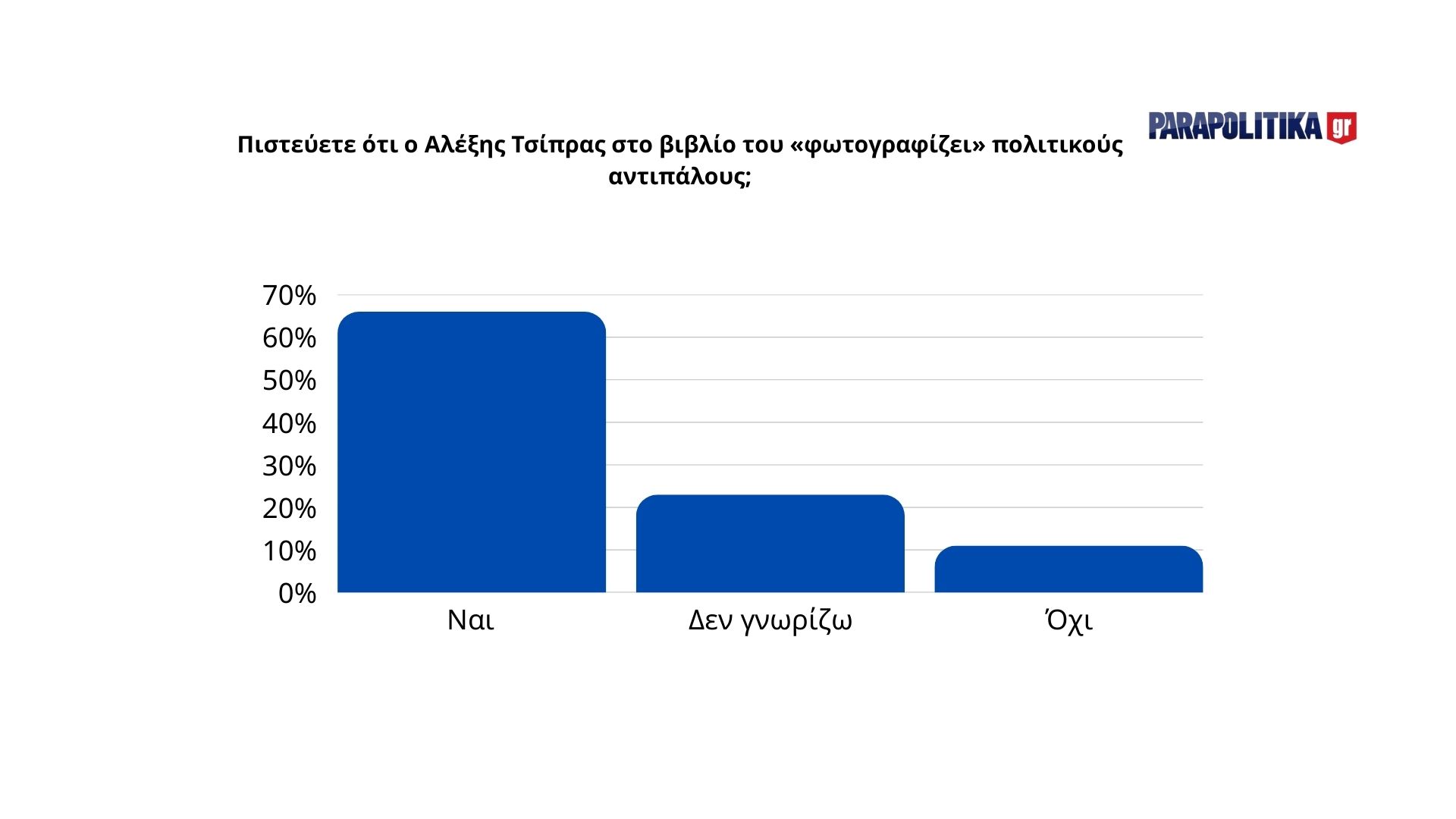
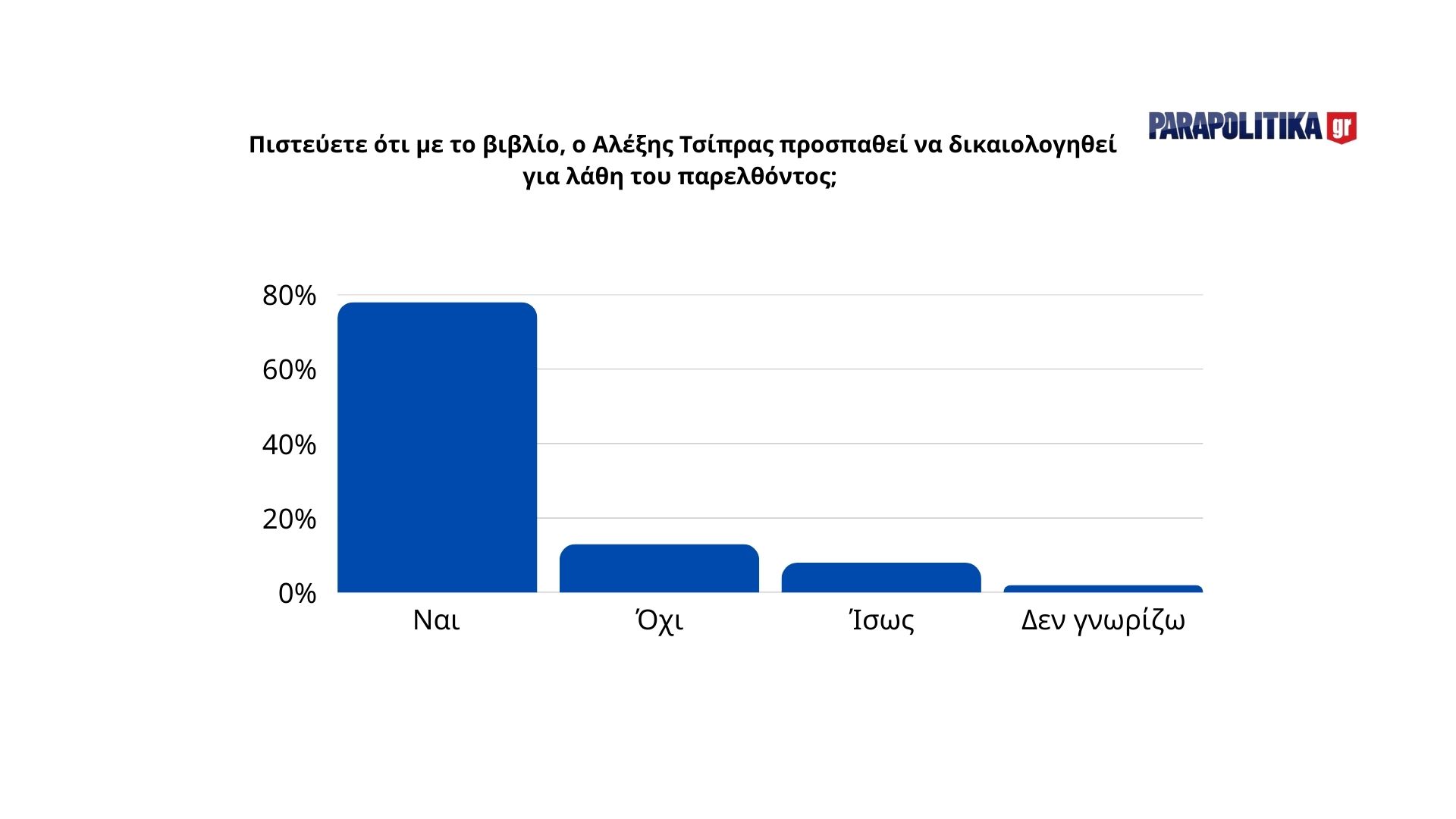
One of the most revealing findings of the research is that 78% of participants believe that through the book, Alexis Tsipras seeks to justify decisions and mistakes from his governmental tenure. Only 13% disagree with this assessment. Additionally, 66% of respondents consider that the book includes critical references to political opponents, compared to 11% who express the opposite view.
Limited contribution to historical understanding
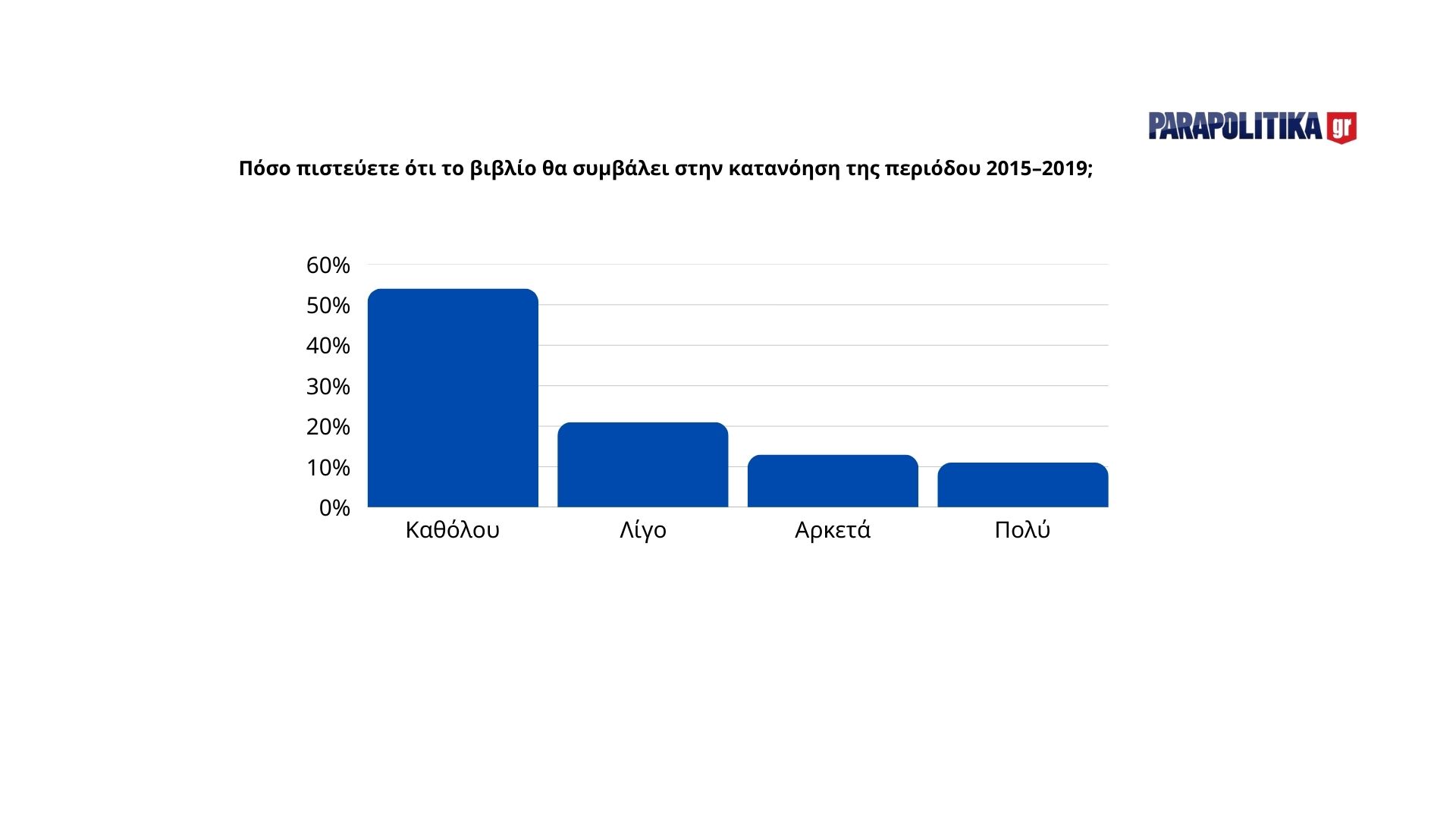
54% of participants estimate that the book will not contribute to understanding the 2015-2019 governmental period, while 21% believe its contribution will be limited. Only 13% answer “considerably” and 11% “very much” to the related question.
The former prime minister’s status
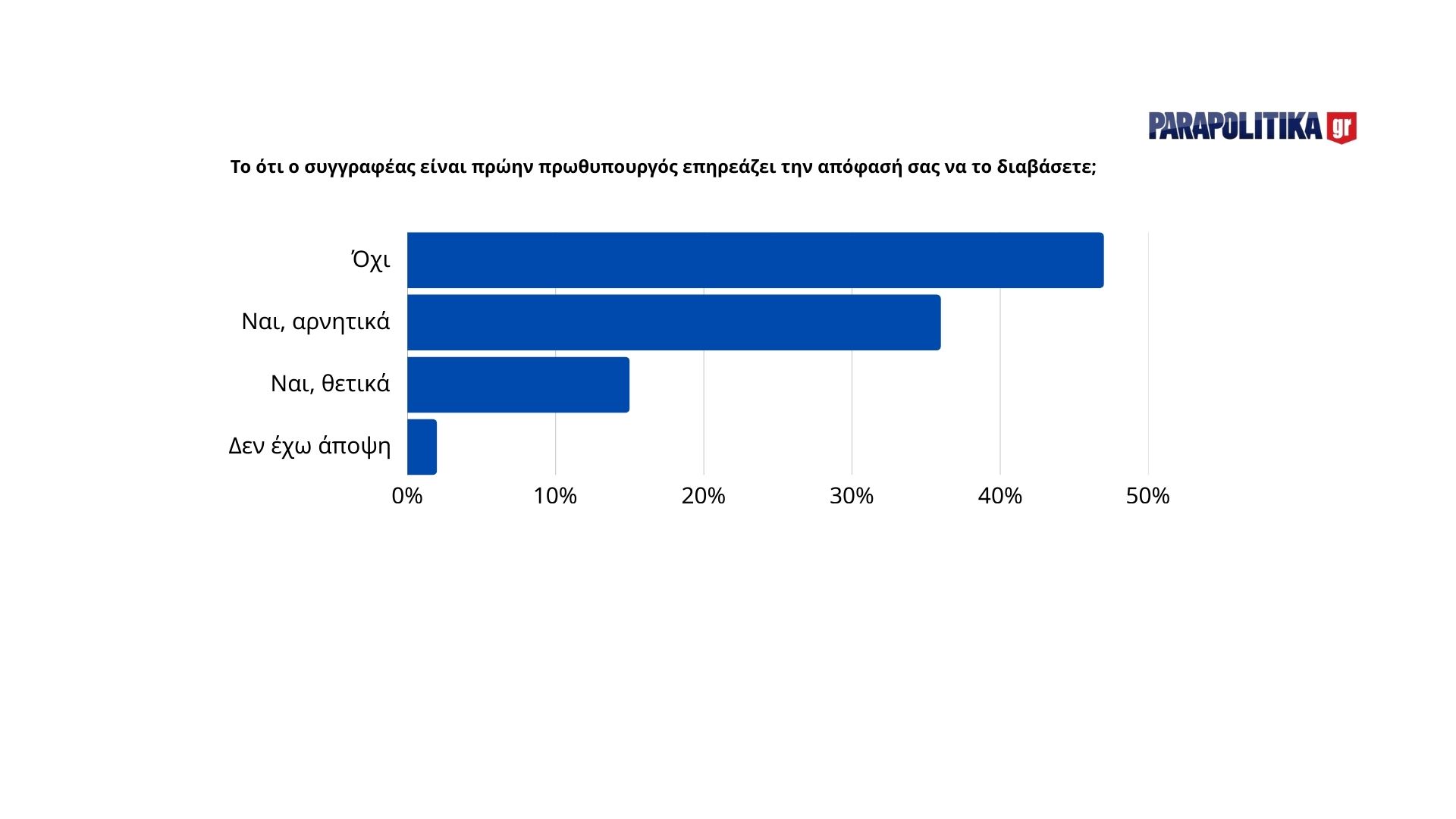
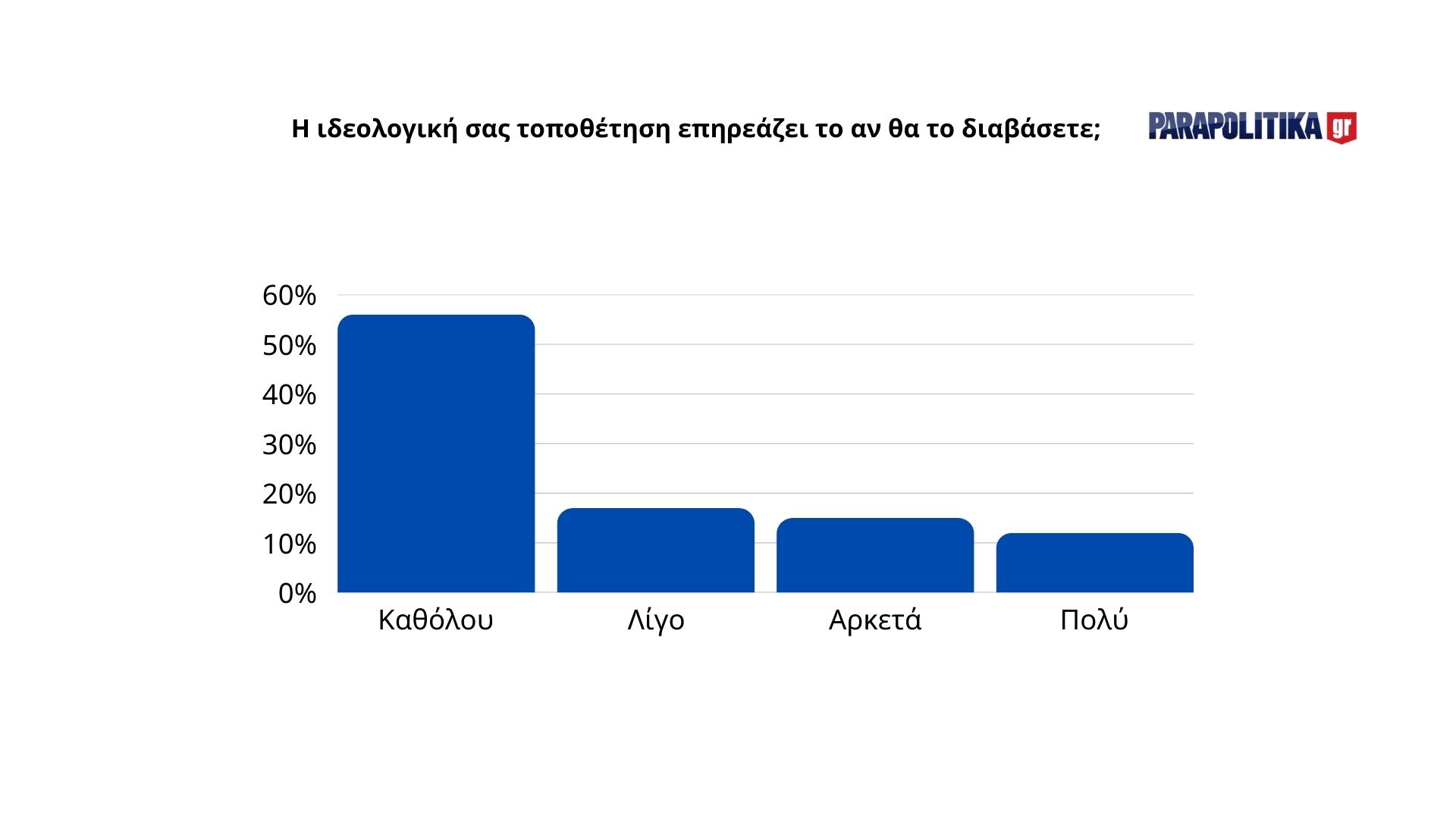
The author’s status as former prime minister does not affect the reading decision for 47% of respondents. However, for 36% it constitutes a deterrent factor, while for 15% it functions as a positive incentive. Notable is that 56% state that his ideological positioning does not influence their decision, compared to 44% who acknowledge some degree of influence.
In conclusion, the parapolitika.gr poll results, with participation from 1,070 people, reflect a climate of skepticism and caution toward the book “Ithaca”, which is viewed primarily as a political tool rather than a substantial contribution to public discourse.