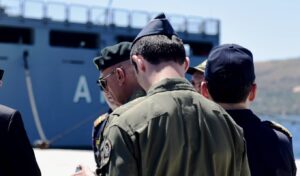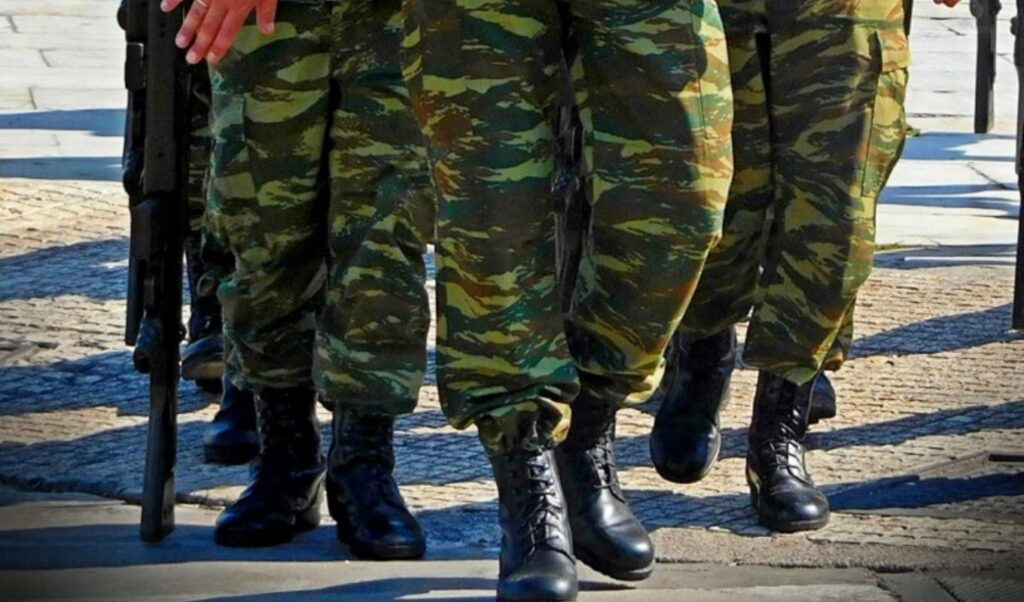
The mobilization of reserve forces constitutes a critical mechanism of the country’s national security. When the military notifies reservists in case of mobilization, it activates a process aimed at the immediate recall, classification and integration of reservists into military structures. This process allows units to transition to combat readiness and organization.
Read: When was the most recent mobilization declared in Greece and why
What is mobilization and what forms does it take
The mobilization system is distinguished into two basic categories with different characteristics. General mobilization is activated during wartime and corresponds to red alert status. Conversely, partial mobilization, known as orange alert, is applied during periods when there is no active military conflict but increased readiness is required.
Who is subject to mobilization obligations
According to the current legislative framework, the Army reserves include specific categories of citizens. Officers and permanent non-commissioned officers remain in the reserves until they reach the prescribed age limit set for their category. Enlisted personnel maintain their mobilization obligation until completing their 45th year of age.
The placement of reservists in units is carried out electronically by the Mobilization Directorate of the Army General Staff. The criteria taken into account include the place of residence, specialty and rank of each reservist.
All reservists are categorized into two series according to age: the 1st Reserve Series concerns individuals up to 40 years old, while the 2nd Reserve Series covers ages from 41 to 45 years.
The Special Movement Sheet and obligations during peacetime
After discharge from military service, each reservist receives the Special Movement Sheet, a critical document that determines their status. The color of the document has specific significance: the green SMS indicates immediate placement in a unit with specific duties and specialty, while the white SMS means standby status for future placement according to needs.
How the military notifies reservists in case of mobilization
Notification of reservists can be carried out through multiple methods that ensure maximum possible coverage. The military notifies reservists through announcements in mass media such as radio, television, newspapers and the internet. Additionally, posting of proclamations or serving Individual Call-up Sheets may be used.
When the announcement is made through media outlets, reservists are called using code words found at the top of their SMS. These include the color of the SMS, the letter Ω accompanied by a number, or the unit code number consisting of two letters and a four-digit number. Each reservist must carefully examine announcements to determine if they include their own code words.
What you need to have with you when called for mobilization
When the mobilization process is activated, there are specific items and documents you must have with you. First, it is necessary to have food for two days, preferably dry food that is easily preserved. The Police Identity Card is a mandatory identification document, while mobilization documents are absolutely necessary for classification. If you have a Driver’s License, you must have it with you. Finally, a small backpack with personal items will cover your immediate needs.
Steps to follow after notification
Initially, you must calculate the time available to settle urgent family matters. Next, carefully study the brief instructions listed on your SMS, as they contain critical information for your journey.
Departure to the unit must be immediate using any available means of transportation. The ticket stubs included in the SMS facilitate movement, with detailed completion instructions on their back.
If you face difficulty in quick movement to your unit, report to the SPE or CSE mentioned in the movement instructions of the SMS or IAC. From there you will be forwarded to your final destination. If you are far from these points, the nearest Garrison Command or Police Authority can assist you.
The last mobilization in Greece: The Imia incident
According to official data from the Army General Staff, the most recent mobilization of reserve forces took place on January 30 and 31, 1996. The event that caused this mobilization was the Imia incident, when Turkey challenged Greek sovereignty over the rocky islets located 2.5 nautical miles east of Kalolimnos.
On January 30, 1996 at 23:55, the Army ordered Partial Mobilization of local reserves in Thrace and the Aegean islands. All cores, automatically integrated reservists residing locally and replacement reservists were called. No vehicle requisitions were made nor were personnel moved from the mainland to border units.
The mobilization mechanism functioned flawlessly despite adverse weather conditions with snow in Thrace and rain in the Aegean islands. The response of reservists was impressive in speed and numbers, while demobilization was completed the same day by noon, proving the system’s effectiveness.