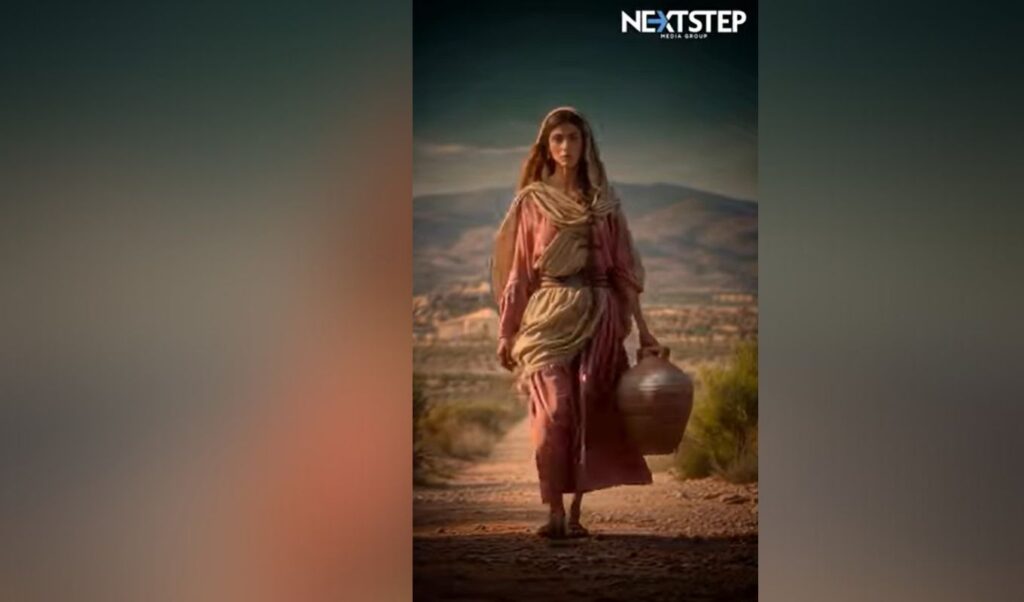
A new video created with the use of artificial intelligence brings to the forefront the voice and the story of Saint Photina, the woman whom the Church first knew as the Samaritan woman at Jacob’s Well.
In the video, Saint Photina “narrates” her life from the shadows of everyday life in Samaria to the moment of the great encounter that forever transformed her existence. She was the woman who went alone, at midday, to the well, in order to avoid the glances and the whispers of others. She carried shame, mistakes, and a life that had taught her to hide.
As heard in the narration, on that day she met a Jewish man who asked her for water. Yet the conversation did not remain at the water of the well. He spoke to her of the “Living Water,” of a spring that never runs dry, of a water that does not quench the thirst of the body, but of the soul. Through His words, the woman understood that before her stood not a mere man, but the Messiah.
This encounter transformed her. She left her water jar and ran into the city. She who once hid became a herald of joy. She was baptized and received the name Photina, for, as the video emphasizes, the light entered her and changed the way she saw herself and the world.
Her faith did not remain theoretical. Saint Photina traveled, preached Christ in Africa and in Rome, and confessed her faith openly. Her witness provoked the wrath of Emperor Nero, who ordered her arrest when it became known that she had led his daughter, Domnina, to Christianity. Threats, tortures, and persecutions did not break her faith.
Together with her, her sons and her sisters were martyred. As the narration underlines, they did not feel that they lost their lives, but that they gained eternal life. The woman who went to the well for a little water found God—and did not keep Him to herself.
The message that emerges through this contemporary digital narration remains timely: no past is stronger than the Light of Christ. Whoever truly encounters Him no longer needs to hide—he is bathed in the Light.