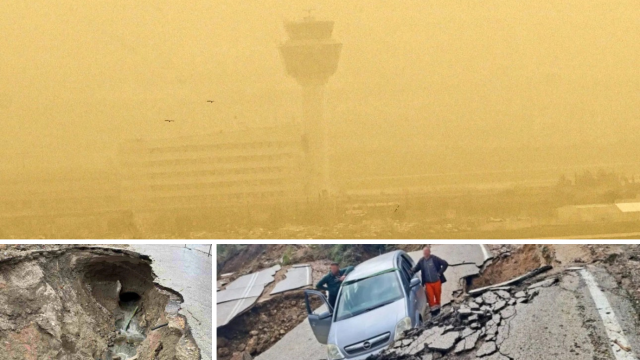
Significant problems due to severe weather have been recorded in recent hours across many regions of the country. Greece is trapped in a blanket of African dust and at the mercy of gale-force winds since early Sunday morning, with Attica, Aegean islands, and Crete at the epicenter of the phenomenon. The Greek National Weather Service has issued an orange warning with an update to the Emergency Weather Deterioration Bulletin issued yesterday.
The atmosphere in many regions of the country is suffocating as African dust and muddy rain create a gray mosaic over the nation. At the same time, a warning message via emergency service 112 was sent at noon on Sunday, February 15, to residents of Chios and Serifos, due to strong winds, calling on them to be particularly careful and limit their movements in coastal areas.
⚠️ Ενεργοποίηση 1️⃣1️⃣2️⃣
🆘 Λόγω έντονων καιρικών φαινομένων στην Περιφερειακή Ενότητα #Χίου περιορίστε τις μετακινήσεις σας στις απολύτως αναγκαίες στις παράκτιες περιοχές
‼️ Ακολουθείτε τις οδηγίες των Αρχών.
ℹ️ https://t.co/mbLpAekY6l@pyrosvestiki@hellenicpolice
— 112 Greece (@112Greece) February 15, 2026
⚠️ Ενεργοποίηση 1️⃣1️⃣2️⃣
🆘 Λόγω έντονων καιρικών φαινομένων στην περιοχή #Λιβάδι νήσου #Σερίφου περιορίστε τις μετακινήσεις σας στις απολύτως αναγκαίες στις παράκτιες περιοχές
‼️ Ακολουθείτε τις οδηγίες των Αρχών.
ℹ️ https://t.co/mbLpAekY6l@pyrosvestiki@hellenicpolice
— 112 Greece (@112Greece) February 15, 2026
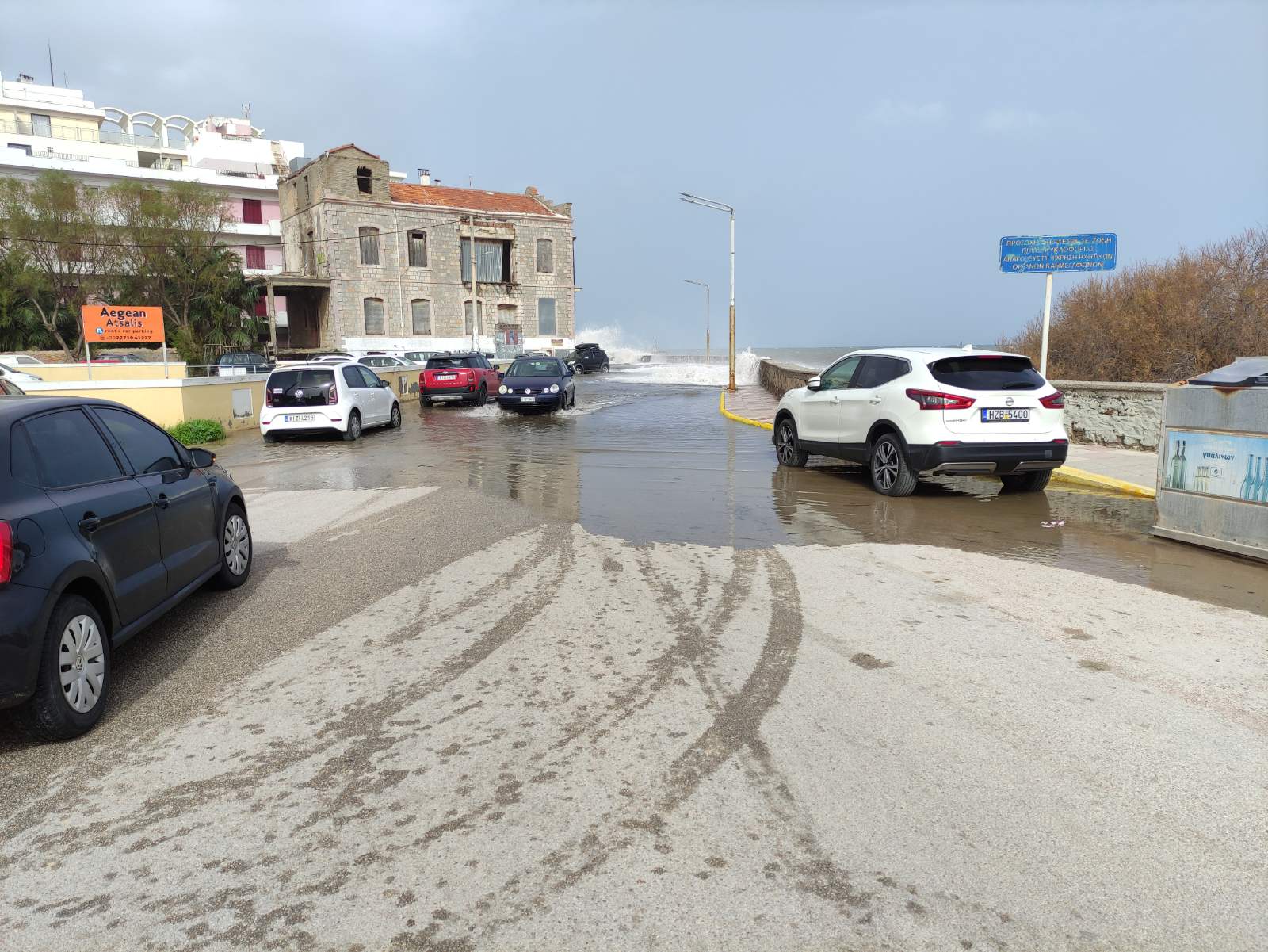
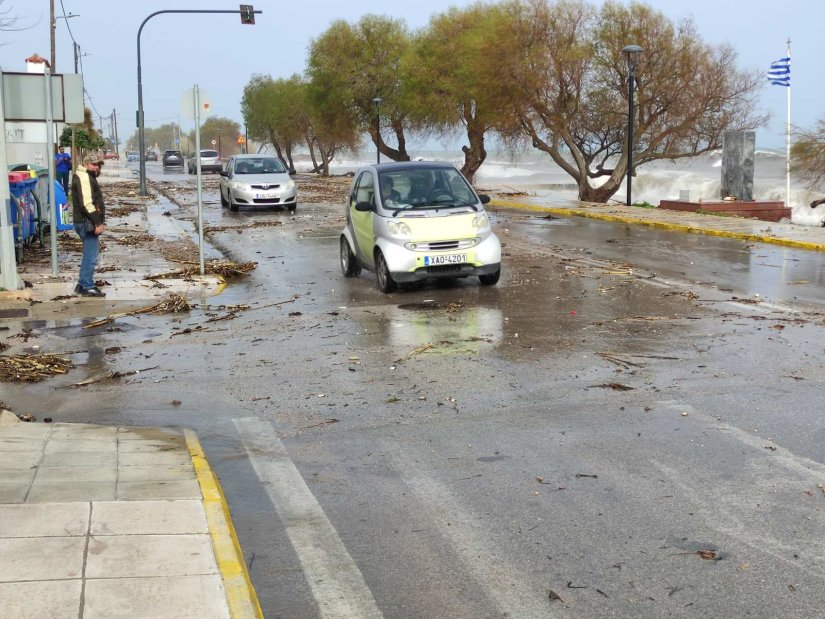
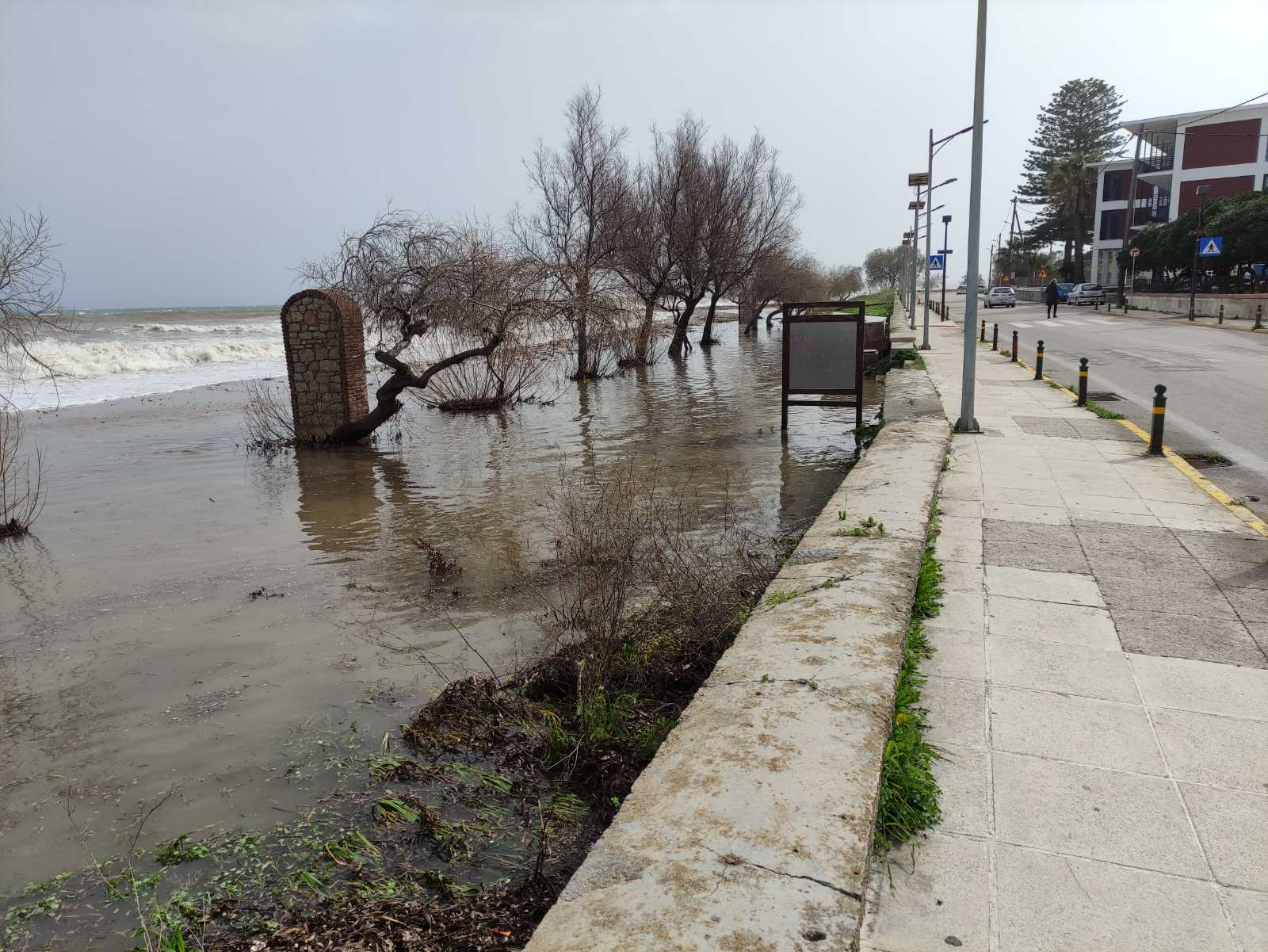
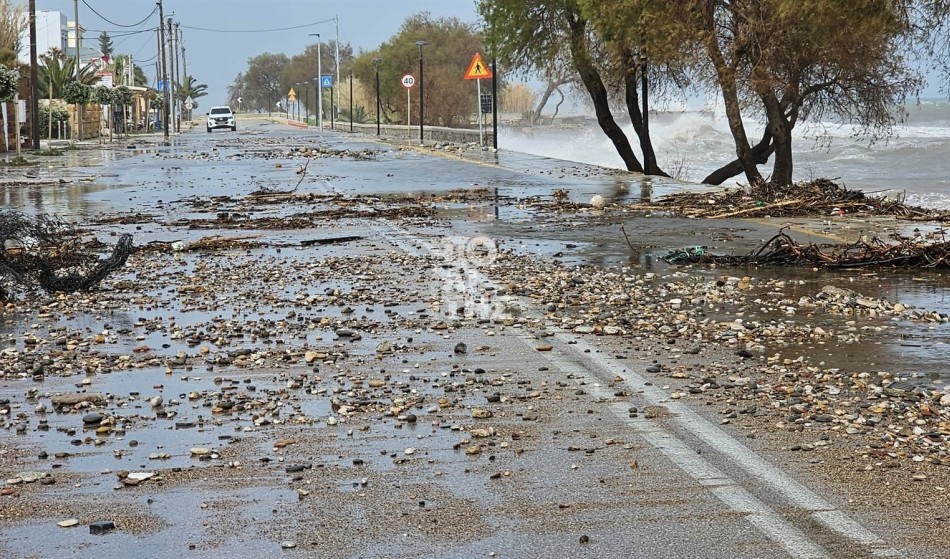
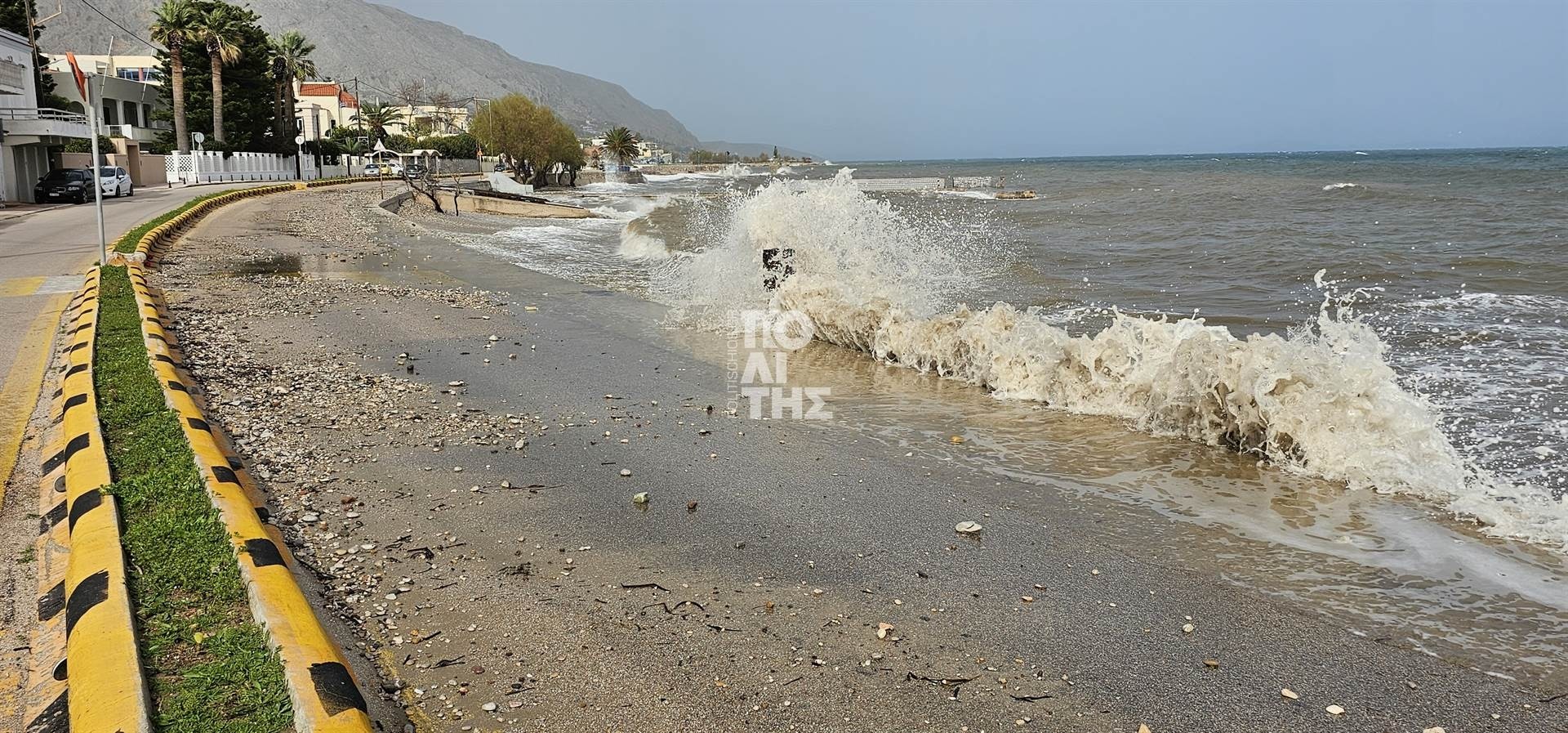
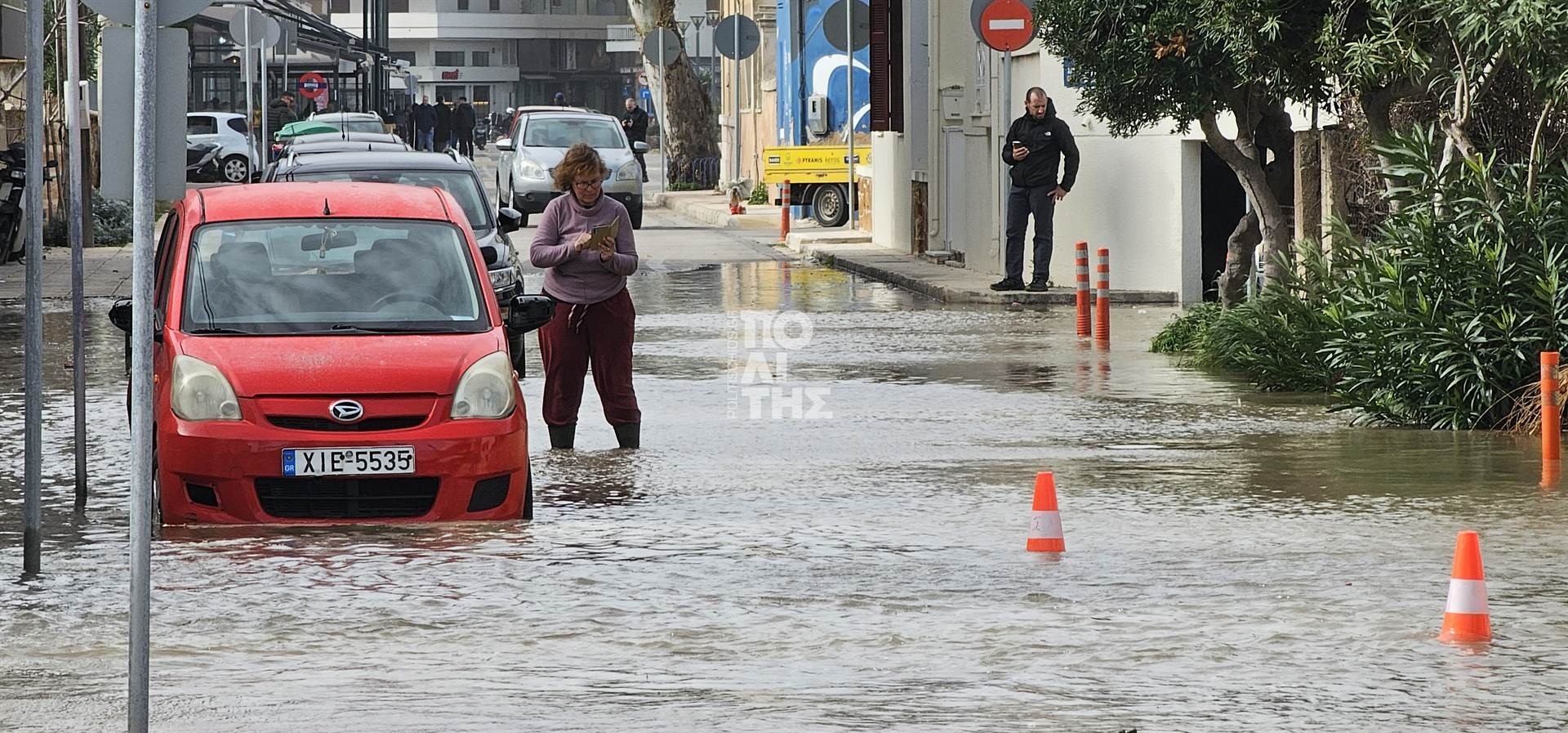
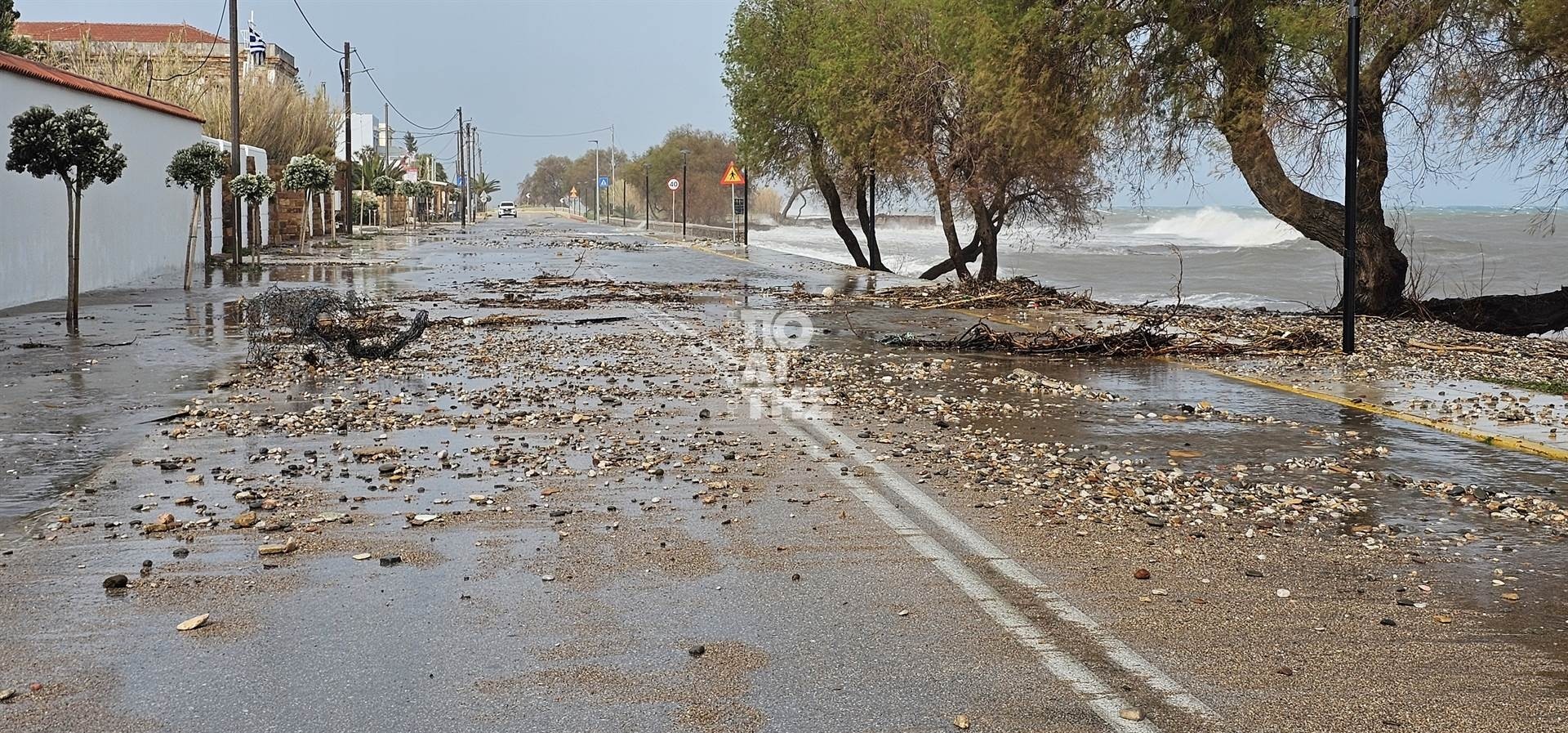
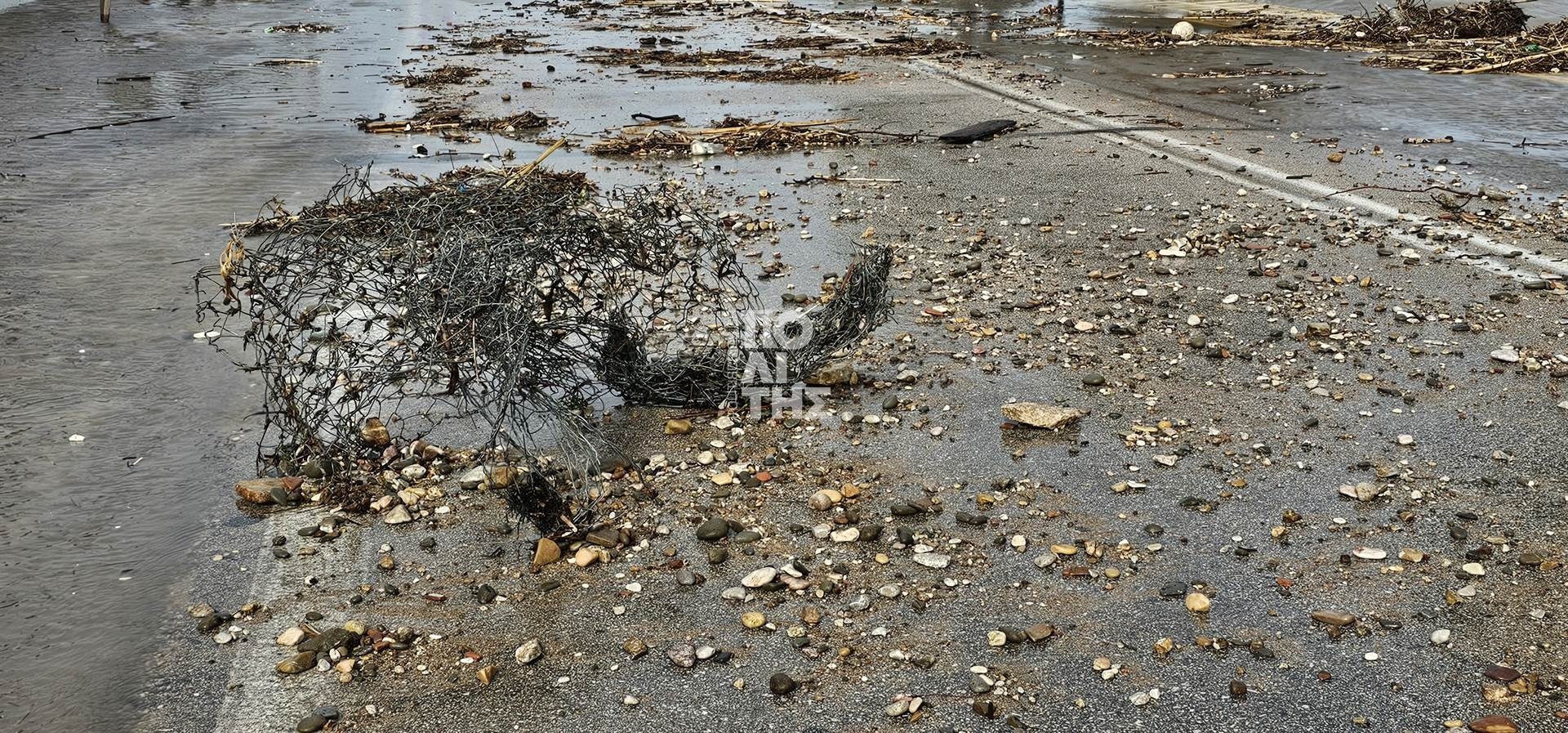
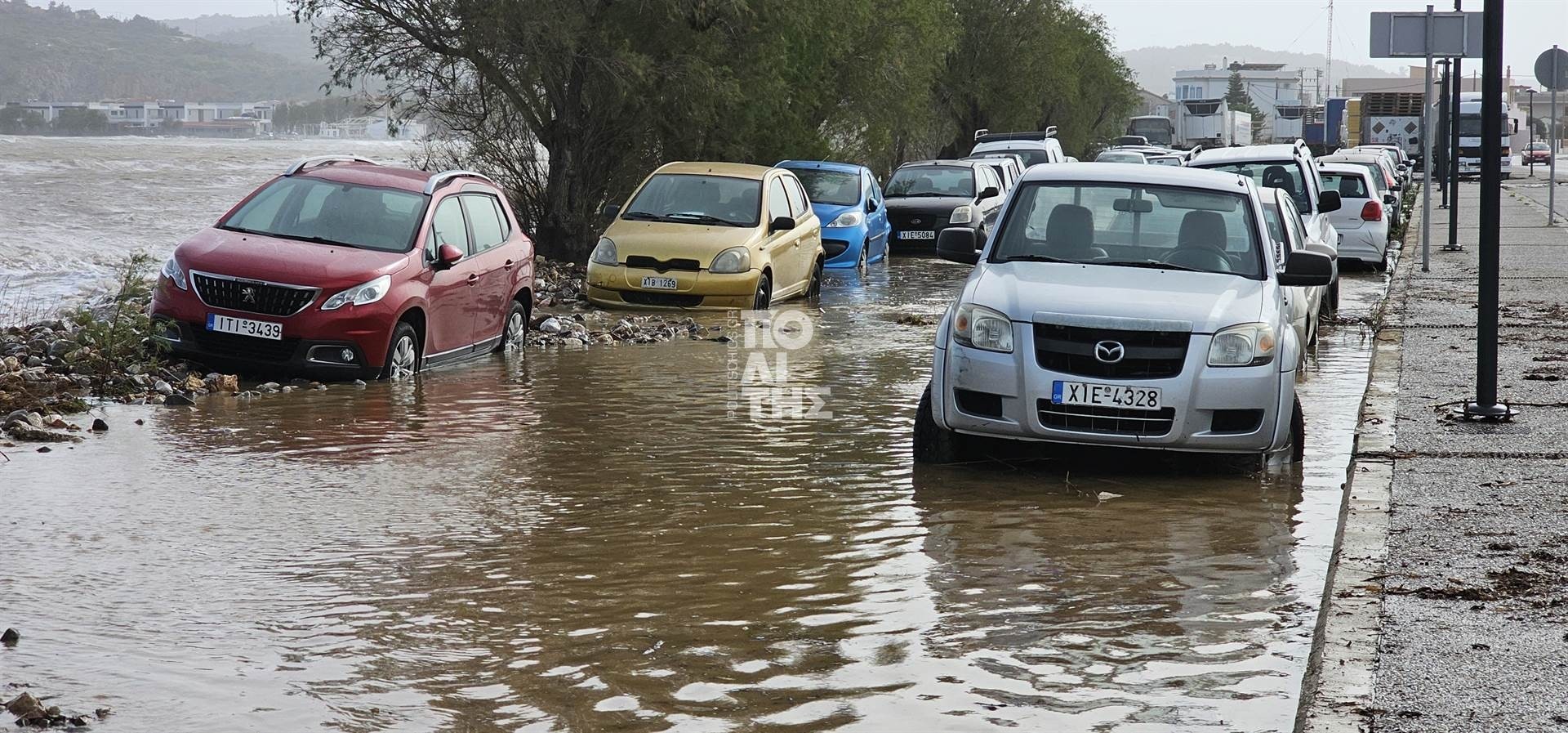
Severe weather: Winds sweep across with over 100km/h speeds
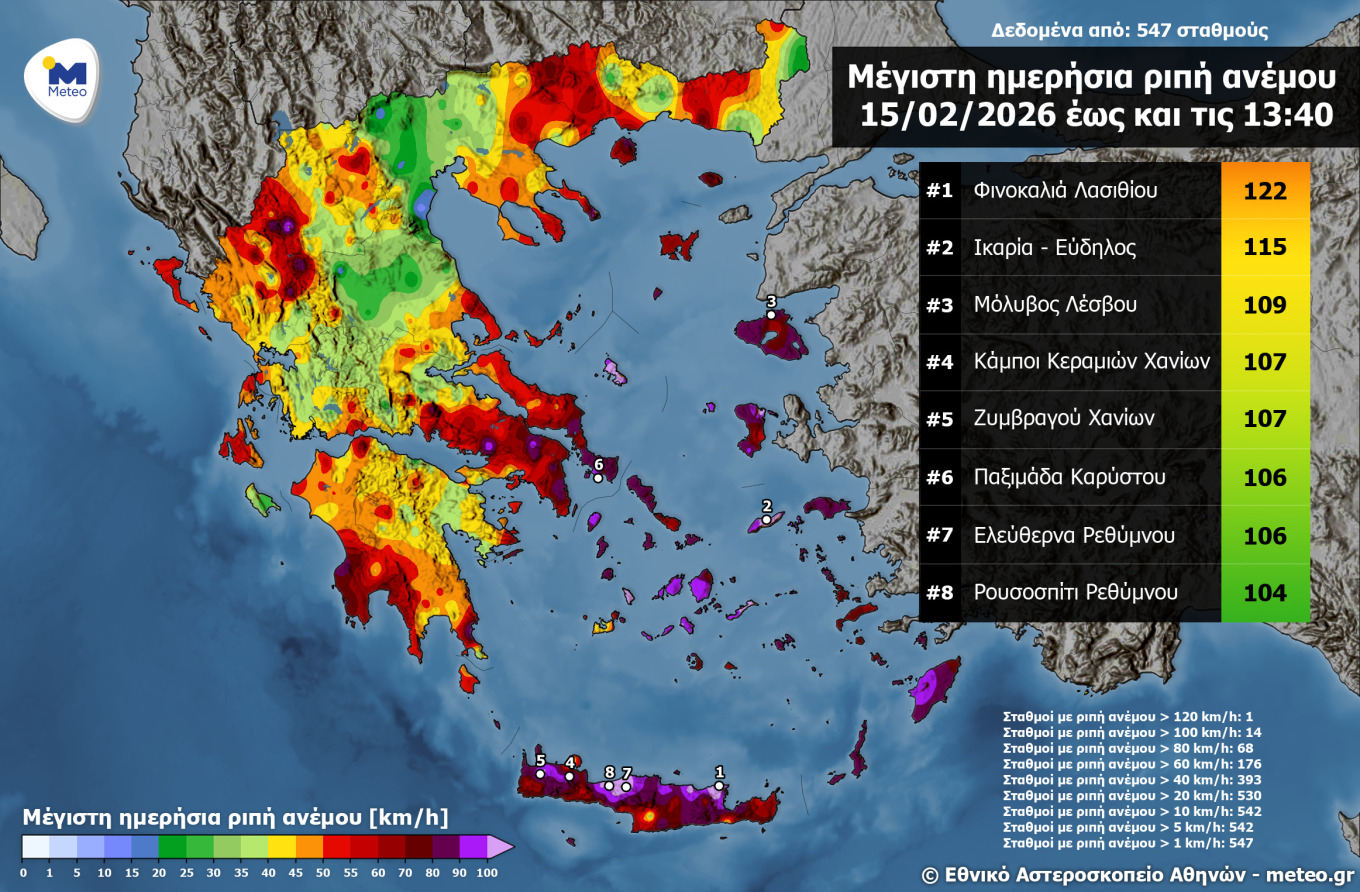
Numerous problems have been reported across regions of the country from winds exceeding 100-120 km/h in places, according to Meteo.gr, with conditions favoring significant transport of African dust to eastern Greece, mainly in its southern and central regions (Peloponnese, Crete, eastern Central Greece – including Attica – Cyclades and Evia).
High concentrations of African dust
High concentrations of Saharan dust are being recorded across much of the country at noon on Sunday, February 15, as can be seen from the satellite image of the European MTG satellite of EUMETSAT.

According to the air quality station of the National Observatory of Athens/meteo.gr in Rethymno, PM10 concentrations exceed 460 μg/m³ at 13:30 on Sunday, February 15.

African dust shrouds the Acropolis
The country is trapped in a blanket of African dust today, with Attica at the epicenter of the phenomenon and the Greek National Weather Service issuing an orange warning with an update to the Emergency Weather Deterioration Bulletin issued yesterday. The phenomenon, which originated from the Sahara Desert, has covered the city’s iconic landmarks with a thick layer of haze, affecting visibility and air quality. According to the National Observatory of Athens, concentrations of suspended particles are expected to remain high until the early morning hours of tomorrow, when westerly winds will begin to clear the atmosphere.
Photographs by Giorgos Kontarinis for the Eurokinissi agency reveal the otherworldly landscape. As shown, the capital is covered by the wave of African dust with the Parthenon and Lycabettus Hill barely visible in the shots.


The images from Lycabettus Hill show a very dense, yellowish veil covering the atmosphere and significantly limiting visibility on the horizon.