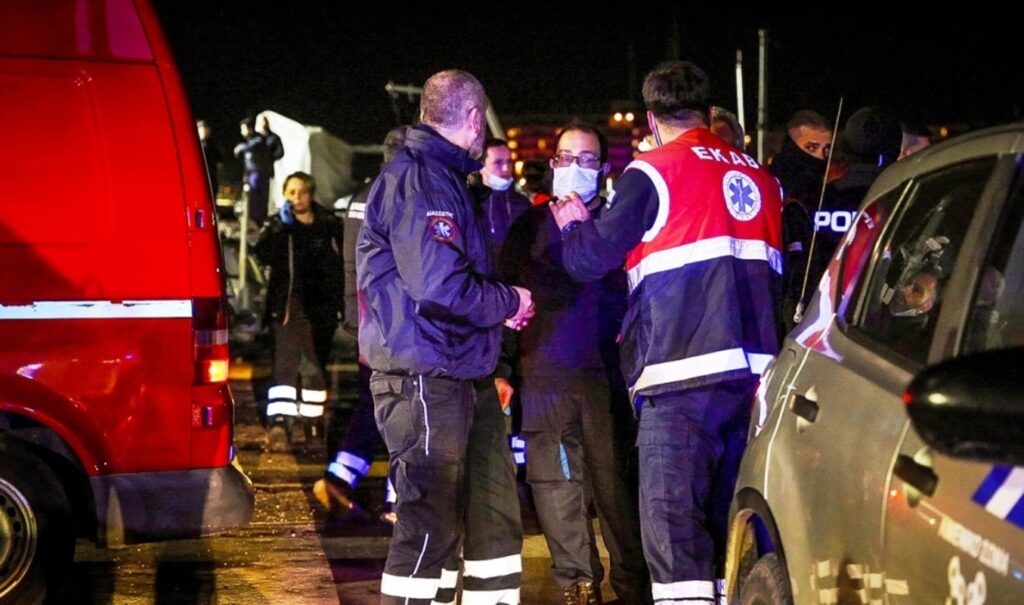
The forensic examination to determine the cause of death of the 15 migrants who lost their lives in the shipwreck off Chios has been completed, marking a critical stage in managing this tragedy. According to official information, DNA samples were collected during the process, which will be used to identify the bodies and return them to the victims’ families. This procedure was deemed necessary due to the condition in which the bodies were found, while following the special crisis management protocol designed for such incidents involving mass loss of human life. These developments provide answers in a particularly charged scenario, as searches for potential missing persons have been completed without results.
Chios: The role of forensic experts and crisis protocol
Since the previous day, a team of four forensic pathologists and three morticians traveled to Chios, following a decision by Justice Minister Georgios Floridis. The team’s mission was based on the special crisis management protocol developed by the Ministry of Justice, which is activated in cases of mass casualties. The forensic examinations were completed with the collection of genetic material to enable safe identification of the victims. In coordination with funeral homes, the transfer of the bodies to Schistos cemetery was secured. They will remain there for safekeeping until the DNA identification process is completed and they can be returned to their relatives, according to provisions by the relevant authorities.
Chios: The preliminary investigation and searches
It should be noted that a 31-year-old Moroccan national was arrested, who was identified by survivors as the smuggler. The man was arrested by the Central Port Authority of Chios and is being referred to the prosecutor, charged with a series of crimes related to the shipwreck. At the same time, the Coast Guard completed a multi-hour search and rescue operation using vessels, land vehicles, and helicopters, without locating any other survivors or missing persons.