With the implementation of new infrastructure projects, upgrading of existing facilities for more efficient water management and reuse, replacement of worn pipelines spanning hundreds of kilometers, and enhanced monitoring of the water supply network for immediate leak detection, EYDAP is responding to the severe water shortage facing Attica. The plan to be implemented over a decade will both limit unnecessary water losses in the network and prevent further depletion of reserves through circular water use by non-residential consumers.
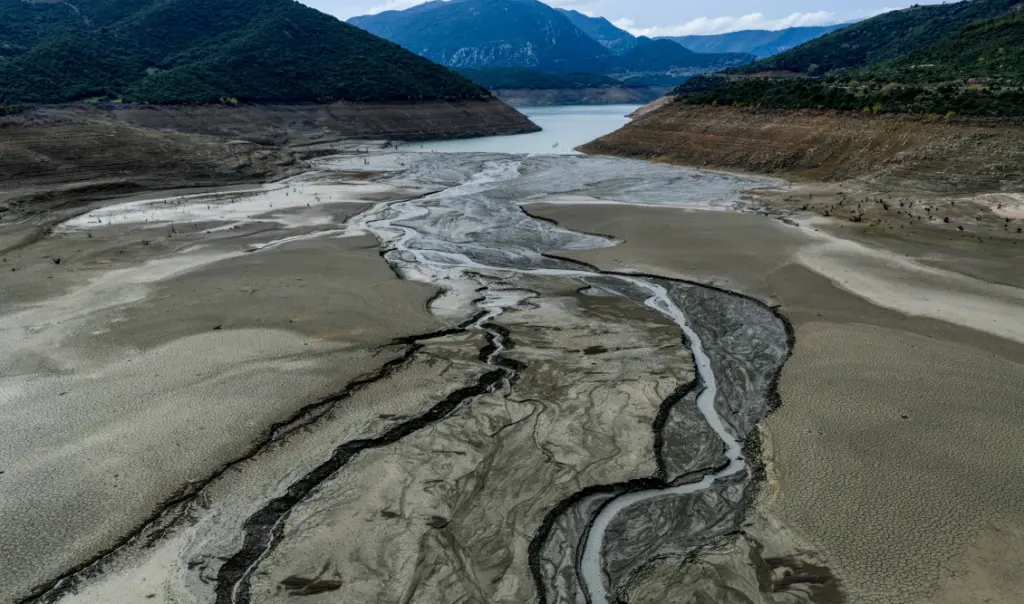
Given that the capital is facing the greatest crisis of the last thirty years regarding water adequacy, with reservoir levels having dropped to precarious levels, EYDAP has developed an investment program worth €2.5 billion to fortify Attica.
EYDAP: tariff adjustments
The projects included in the program involve interventions in two directions: water supply and sewerage.
For their financing, EYDAP submitted for approval the framework of adjustments to tariffs from January 1, 2026. Today, the Regulatory Authority for Waste, Energy and Water (RAWEW) made a decision to validate EYDAP’s new tariffs, which remain the cheapest in Greece and in Europe.
What changes in tariffs from January 1:
* Tariffs for economically vulnerable and weak groups (social tariff beneficiaries, large families, elderly) are reduced as any fixed charges are eliminated and prices do not change across all consumption tiers.
* Only the water supply fixed charge is adjusted by €1 and a €1 fixed charge plus VAT per month is introduced for sewerage, so that fixed charges correspond to the significant infrastructure projects that must be carried out mainly due to prolonged drought and intense flooding phenomena caused by the climate crisis.
Major projects for Attica’s protection
In the water supply sector, EYDAP has budgeted investments of €730 million for upgrading Water Treatment Plants serving the basin, replacing 660 kilometers of the pipeline network to remove outdated sections that “lose” water, and installing 2 million smart meters that enable immediate leak detection.
“Every drop counts. There is no room for waste, nor can we turn a blind eye when we often see water losses in certain old network sections,” stated a source with knowledge of discussions between the government and EYDAP over the past 12 months to find appropriate solutions. “By reducing network losses, Attica becomes more hydrologically resilient, which is critical anyway during a period when the climate is changing.”
The second pillar of major interventions concerns sewerage, with investments of around €900 million and the spearhead being better secondary utilization of “used” water from industrial units and for irrigation, without risk to public health.
Of pivotal importance on this front, according to a second source who participated in preparing the project, is extending EYDAP’s reach to eastern Attica areas, where large settlements continue to be served by septic tanks even today.
The plan provides for connecting 75,000 properties, meaning approximately 410,000 residents, to the sewerage network, constructing three new Wastewater Treatment Centers beyond the five already operating in Attica, and interventions in pumping stations.
“This way, we can use water resources circularly and transform the sewerage system into a safe provider of water for industrial or agricultural work,” emphasized the second source, adding that this will reduce pressure on Mornos and Yliki reservoirs and better protect Attica from potential fluctuations in continuous water availability.
State of emergency
In any case, it was emphasized from all sides that there is not the slightest margin for complacency.
“The two major reservoirs on which Athens relies, Mornos and Yliki, have lost 40% or more of their reserves in recent years, while many streams we traditionally depend on to cover losses are drying up because there is not much snow on mountain peaks,” highlighted a third source, who has dealt extensively with the hydrological situation in the capital and the consequences of climate change in densely populated cities.
“The time has come to understand that difficult choices are required from all of us, otherwise the consequences will be even worse,” emphasized the same source.