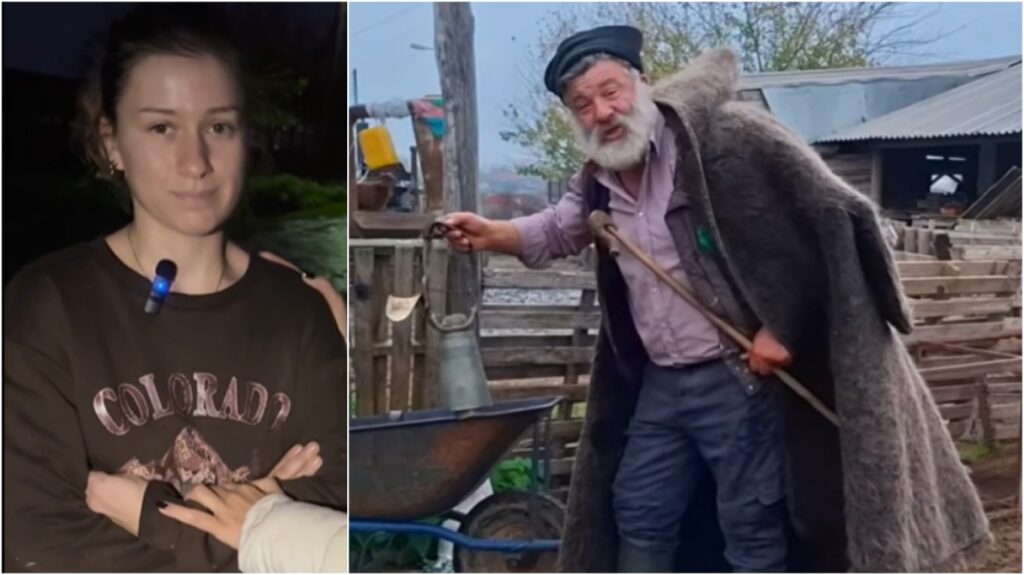
Konstantinos Theofilou, a livestock farmer from Mikro Monastiri in Thessaloniki who owns the farm bearing the same name, could not withstand the emotional burden and was transported to Giannitsa Hospital with stroke symptoms, following the prospect of culling his last 450 sheep of the historic Rumluki breed due to foot-and-mouth disease.
His daughter, Despoina, spoke about what happened to her father, who could not bear the pain for his sheep during this recent period. “My father is in the hospital, he had a minor stroke, but he’s okay now,” she said initially and continued:
“He was watching the video he had recorded, crying, then lay down to sleep a bit, and while he was sleeping, my mother called me in panic. His eyes were wide open, terrified. My mother was shouting ‘dad is having a stroke.’ We got up quickly and went to the hospital in Giannitsa. There, dad said he was already feeling a bit better. My sister, who is a nurse, is there with him, so he’s doing well.”
“Now all the sheep are healthy, they refuse to take a new sample,” says the farmer’s daughter
Regarding the sheep, she says that “our herd is the last one in Thessaloniki Prefecture that tested positive and hasn’t been culled yet. And it keeps the Central Macedonia file open. So in case our sheep are not culled, the process cannot proceed for other farmers to receive compensation. Our sheep went through two months of illness. Now they are all healthy, there’s no problem. We lost quite a few, but the rest are fine. They refuse to take a new sample, I don’t know why.”
She also said that farmers even from Kilkis filed complaints about her father’s sheep that haven’t been culled yet. “We’re bothering people even in Kilkis,” she mentioned.
Watch video:
In the original report, the farmer was recorded bidding farewell with tears in his eyes to the animals he had raised for decades. The decision to cull the 450 sheep was imposed by the competent authorities due to foot-and-mouth disease outbreak in goats and sheep, a measure that meant the definitive loss of the historic Rumluki breed.
“It’s like they’re killing our children one by one in front of us,” the farmer said, describing his anguish. His family had emphasized that the children grew up next to the herd, caring for newborn lambs with bottles and treating them as family members.