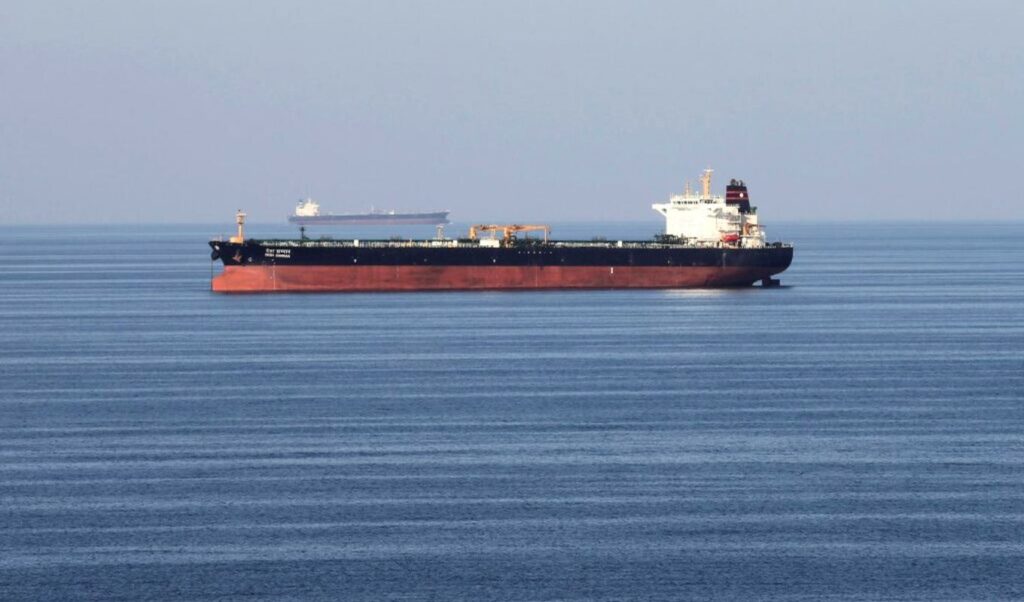
The military confrontation between the US and Israel against Iran affects more than just international energy prices. The food crisis emerging in the Middle East poses an equally serious threat to millions of people, as disruption in the Strait of Hormuz endangers the supply of essential goods throughout the Gulf region.
The Strait of Hormuz and the threat to food supply
The crisis in the Strait of Hormuz is not exclusively about energy security. According to Financial Times economic analyst Susannah Savage, specific areas of the Middle East are already facing shortages of critical food imports. Commercial vessels are choosing alternative routes to avoid the dangerous passage, dramatically increasing the risk of shortages in all Gulf countries.
Most grain, packaged foods, and fresh produce consumed in the region passes through this critical maritime passage. Commercial ships avoiding it raises concerns about serious shortages and sharp price increases, especially in states that depend almost exclusively on imports to meet their dietary needs.
Which countries are most affected by the crisis
The United Arab Emirates exemplifies dependence on imports. The country imports approximately 90% of its food through Dubai’s Jebel Ali port, a strategic hub serving the dietary needs of 50 million people across four Gulf countries and remote regions. Saudi Arabia, despite having greater agricultural production, continues to rely significantly on imports to meet its population’s needs. Disruption of supply chains through the Strait of Hormuz directly affects product availability and domestic market prices.
View this post on Instagram.
Inflation and food shortages in Iran
Iran, despite producing a larger percentage of its food compared to neighboring countries, already faces a dramatic situation. Food inflation has exceeded 100%, leaving many households unable to procure basic food items even before the conflict escalation.
Analysts warn that military operations against Iran could cause serious damage to food production and distribution infrastructure. Continued disruption will further reduce imports, worsening the already critical situation. For this reason, Iran has temporarily banned all food and agricultural product exports to ensure the supply of essential goods to its domestic population.
Scenarios for prolonged disruption in the Strait
Regional countries maintain strategic food reserves at different levels and can redirect part of their trade to alternative ports. Iran has the ability to import limited quantities through land routes, but redirection involves significant restrictions and vertical cost increases, as Savage notes. Wealthier states like the UAE and Saudi Arabia have economic resilience to absorb part of the additional cost. However, the UAE doesn’t only serve its own needs but functions as a regional distributor, re-exporting food to vulnerable countries like Yemen, Sudan, and Somalia.
The most vulnerable economies in the crisis crosshairs
Prolonged disruption in the Strait of Hormuz will directly hit the region’s weakest economies. Countries dependent on UAE re-exports will quickly feel the consequences, with shortages of basic products and skyrocketing prices.
In Iran, where food price increases have already triggered protests against the regime, further increases or shortages could prove extremely dangerous for social stability. The food crisis in the Middle East is taking on dimensions that transcend regional borders, threatening millions of people already facing economic hardship and political instability with humanitarian catastrophe.