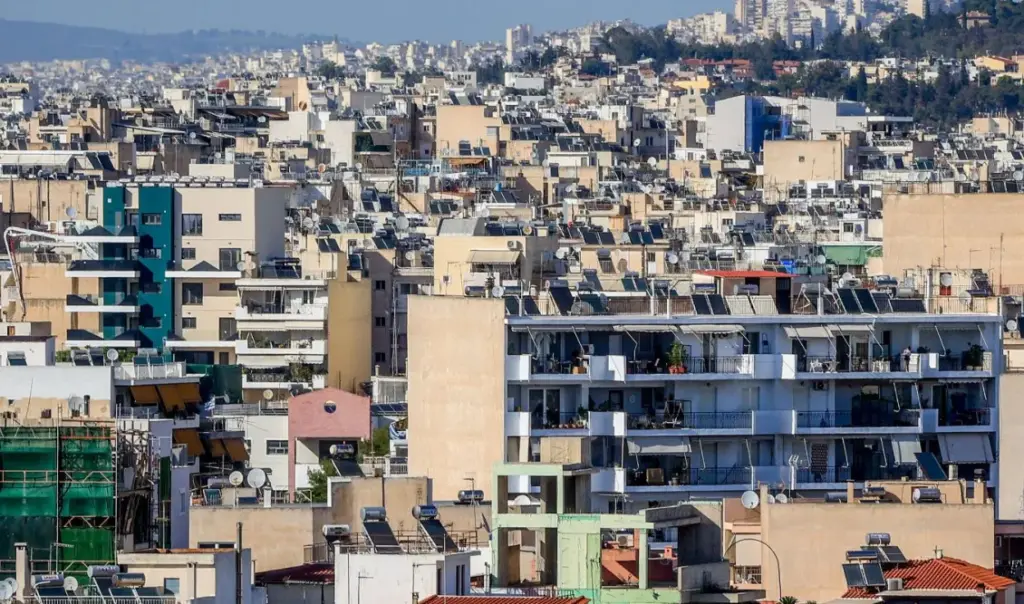
Two new, large-scale programs supporting energy efficiency upgrades for homes are entering the design phase, focusing on vulnerable households, which the Ministry of Environment and Energy is preparing within the framework of the Social Climate Fund.
Two new energy upgrade programs for vulnerable households
These are interventions that aim to significantly expand the circle of beneficiaries and direct resources of over €2 billion to households with low energy efficiency and high energy costs, attempting to eliminate chronic distortions that delay the implementation of similar programs. The direction of the interventions has already been outlined in public statements by the General Secretary of Energy and Mineral Resources of the Ministry, Despoina Paliaroutou, who announced that at the end of 2026 a new, targeted “energy saving program” for energy-poor households will be launched.
The program will be funded by the Social Climate Fund and will exclusively concern specific social groups, with the total resources directed to beneficiaries exceeding €2 billion.
How the actions break down: €1.3 billion energy saving program and €700 million water heater – heat pump program
According to the ongoing planning, this package will be divided into two main actions that are estimated to be activated in 2027: a new “energy saving program” for vulnerable groups with a budget of approximately €1.3 billion and a parallel program for replacing water heaters and installing heat pumps, with resources of around €700 million.
Who will be beneficiaries – Expanded income limits and new scoring system
The planning of the new programs attempts to move in a different logic compared to previous cycles, both in terms of defining beneficiaries and the way interventions are financed. Market sources report that expanded income limits will be set to cover a larger segment of households on the verge of energy poverty, while the scoring methodology has not yet been finalized.
What is certain is that the goal remains replacing heating systems based on fossil fuels with more efficient and “clean” solutions, with interventions ranging from strengthening thermal insulation and replacing window frames to installing modern heating and cooling systems.
On-bill financing: Paying for interventions through electricity bills
A key element of the new scheme is the introduction of a financing mechanism through electricity bills, following the model of European markets. The so-called on-bill financing provides that electricity suppliers will be able to cover the initial cost of interventions for their customers, with repayment made in installments through electricity bills. This way, an attempt is made to overcome the main obstacle faced by many households, namely the inability to cover the initial investment for energy-saving work, even if it leads to lower bills in the future.
It is estimated that the new “energy saving program” could cover approximately 100,000 households, creating a new cycle of demand in the energy interventions market.
Delays and technical obstacles
However, the progress of programs already “running” causes intense concern among industry professionals and in the equipment market. The tight deadlines of the Recovery Fund, combined with limited availability of crews, engineers and energy inspectors, create a suffocating implementation framework.
Market players estimate that in the 2025 “energy saving program” cycle, project completion will hardly exceed 50% of approved applications, a fact that reflects the practical difficulties of large-scale implementation. Technical obstacles Parallel to this, the “Change Heating System and Water Heaters” program progressed slowly in practice, as a large number of beneficiaries left voucher commitment to the last minute, while technical obstacles and delays in startup burdened the already difficult timeline.
The start just before the end of 2025, combined with implementation in the “heart” of winter, worked as a deterrent, since few households are willing to interrupt heating for installation work, especially when it comes to heat pumps. Low voucher activation rates led the Ministry to extend deadlines, with a new deadline for equipment voucher commitment on February 24 and for services on March 12, while each voucher must be utilized within 90 days of its issue. Despite great interest with over 192,000 applications and a budget exceeding €647 million, by the end of January, only a small part of the funds had been converted into actual commitments and installations, confirming that the transition from approval to implementation remains the most difficult stage.
The picture varies by technology and region. Solar water heaters move faster, as the lower cost and simpler installation allow for quicker completion, unlike heat pumps where progress remains slower, due to additional technical requirements and own contribution, which in many cases reaches €4,000-5,000. Thus, part of the beneficiaries delay proceeding with installation, although they have been approved.
Published in Sunday’s afternoon edition