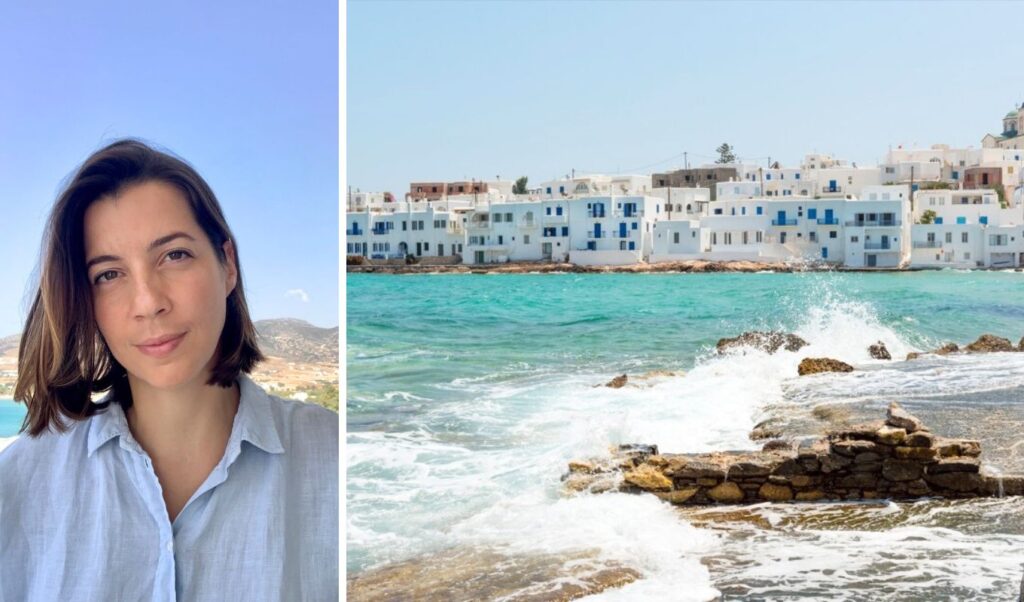
Mania Abatzi, president of the Paros-Antiparos Hotel Association speaks to parapolitika.gr about her closed meeting with Yannis Hatzis, president of the Panhellenic Hotel Federation (PHF) and the institutional dialogue that began on infrastructure, increased costs and short-term rentals at a critical moment for the future of tourism in Paros.
Read: Unlocking hotel sales: How algorithms change online and offline bookings and boost revenues (Images)
Paros, the island that in recent years has become one of the most dynamically developing travel destinations in the Cyclades, is today at a critical crossroads. Somewhere between increasing visitor numbers, infrastructure pressures, the role of the hotel sector and the need to maintain its identity, Paros seeks answers to this question: what tourism model will it follow from now on and what role will the hospitality experience play?
“The hotel sector is called upon to operate with terms of institutional consistency and continuous adaptation to the evolving conditions of the international tourism market,” comments Mania Abatzi, president of the Paros-Antiparos Hotel Association to parapolitika.gr, following the closed meeting she had a few days ago with Yannis Hatzis, president of the Panhellenic Hotel Federation, with the participation of Association members and PHF legal advisor Nikos Zoitos.
Mania Abatzi: What Paros hotels need for the quality leap required by international markets
“Quality and resilience are not a choice for Greek hotels. They are a prerequisite for sustainability,” she emphasizes, explaining that a common finding of the meeting was the need to strengthen the quality, resilience and competitiveness of the Greek hotel product.
One of the main issues discussed is the lack of modern and functional infrastructure, first of all for residents as she says, and by extension for visitors, something that directly affects daily life and the quality of the tourism experience.
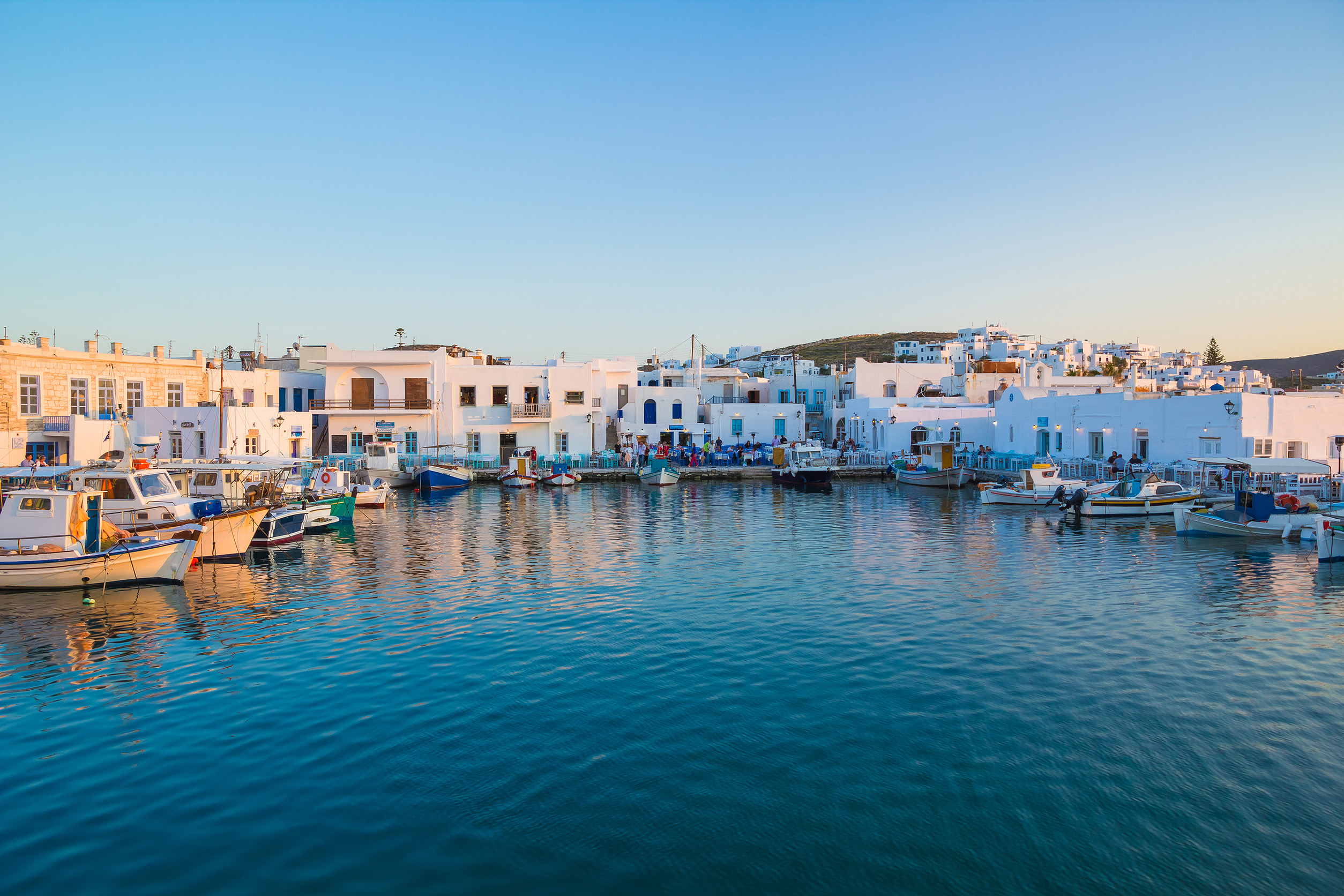
“Institutional coordination with PHF on island challenges in infrastructure, costs, short-term rentals”
To this field are added issues concerning the broader institutional framework for operating hotel businesses, the increased administrative and operational burden, as well as the need to maintain conditions of healthy competition.
“In an environment of continuous increase in operational burdens, such as energy, raw materials, payroll, mandatory modernization investments with an increasingly higher tax pressure, it becomes more difficult for Greek hotels to make the quality leap required by international markets,” she notes, judging that quality is not a choice but a prerequisite for sustainability, especially for small hotel units, which constitute the overwhelming majority in destinations like Paros and Antiparos.
In this field, the question arises regarding short-term rentals: Do they ultimately constitute a development tool or a destabilizing factor for the local economy and the island’s daily life? “Tourist beds are increasing at very rapid rates, mainly due to the development of short-term rentals, without the existing framework adequately addressing inequalities, unfair competition or clearly defining the now professional activity of short-term rentals,” observes Mania Abatzi, recommending an immediate coordinated effort to shape an overall hospitality experience that will meet international standards and the increasing demands of visitors.
Abatzi’s connection with PHF: From problem destruction to institutional dialogue
For the hoteliers of Paros and Antiparos, this meeting was not an isolated event. It marked the beginning of a dialogue aimed at better preparing businesses for the challenges of tomorrow, which is why particular attention was given to the way of cooperation from now on between central and local institutional levels. “In this effort, it is particularly important to have PHF as a substantial ally. Through the exchange of expertise on legal, financial and organizational issues, our cooperation with PHF acquires real substance.”
Moreover, as Mania Abatzi tells parapolitika.gr, the meeting with PHF management took place in a very good climate and with a genuine spirit of cooperation. “We spoke openly and substantially, without embellishments, honestly presenting both the issues that can be claimed and those that, although they concern the sector, are not easy to change immediately,” she says, hoping that the general rebranding of Paros and Antiparos, including the recent Roots of Paros initiative to promote the primary sector, will boost revenues outside the season for the coming years.