The reality of EU energy independence from Russian natural gas is taking official legislative form. The Council of Energy Ministers and the European Parliament approved a complete ban on Russian natural gas imports by 2028, marking the end of an era of energy dependence that lasted decades. The REPowerEU initiative now gains binding character, forcing member states to proceed with a radical restructuring of their energy map.
Timeline for implementing the Russian gas ban
The new legislation provides for gradual elimination of imports, both through pipelines and liquefied natural gas. Implementation begins six weeks after the regulation officially comes into force, while a transition period is provided for existing commercial contracts. From early 2027, Russian LNG imports will be completely banned, while in the fall of the same year the ban extends to pipeline gas. Violators face significant financial penalties.
Why the EU decided on energy independence from Russia
According to the official text of the decision, Russia is characterized as an unreliable commercial partner that uses natural gas as a geopolitical pressure tool. This strategy caused serious disruptions to European competition, skyrocketed energy prices and created significant impacts on the economic stability of member states. The reality of EU energy independence from Russian gas now constitutes a strategic priority for strengthening energy security.
National energy supply diversification plans
By March 1, 2026, each member state is obligated to submit a comprehensive national plan for diversifying natural gas supply sources. These plans must identify the challenges each country faces in replacing Russian gas and propose specific solutions. This deadline constitutes a critical milestone for the successful implementation of the energy independence strategy.
AKTOR Group’s position on energy transition
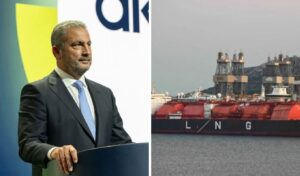
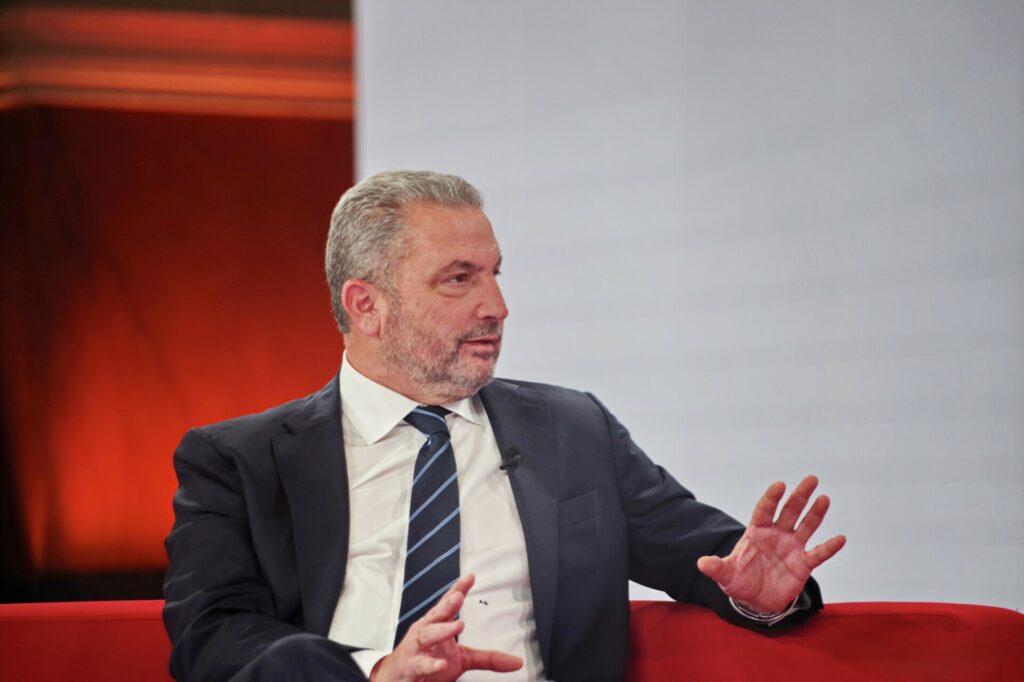
Alexandros Exarchou, Chairman and CEO of AKTOR Group and CEO of ATLANTIC SEE LNG TRADE, commented on the matter during the World Economic Forum in Davos. He emphasized that the European Union consciously chose to become completely dependent on Russian natural gas for a series of years, creating a significant strategic advantage for Moscow. When the war in Ukraine broke out, the use of Russian gas became problematic, but Russia maintained a strong lever of pressure against European states.
The head of AKTOR Group noted that the decision to ban from 2028 came this year, emphasizing the need for seriousness in implementing sanctions. If the reality of EU energy independence from Russian gas was a real priority, the countries of the vertical energy corridor, especially the western ones, should immediately secure long-term LNG supply contracts.
Proposals for strengthening energy independence
According to Mr. Exarchou, Europe must adopt a more active stance instead of watching from a distance. He proposes subsidizing the vertical energy axis to develop appropriate infrastructure that will make American LNG competitive compared to Russian natural gas in the long term. The construction of a second FSRU is required, upgrading the existing corridor and possibly creating a new one. All these can be implemented provided Europe substantially supports its decision for sanctions against Russia.
He concluded by emphasizing the need to understand the new geopolitical reality and adapt to it. For Europe to regain its position, it must demonstrate seriousness and consistency between words and actions.
The role of ATLANTIC SEE LNG TRADE in energy transition
ATLANTIC SEE LNG TRADE, with AKTOR Group’s 60% participation and DEPA Commercial’s 40%, plays a leading role in implementing energy independence. The company secured the first long-term American LNG supply contracts in Greece, while it has signed significant commercial agreements with Romania and Ukraine for distributing American liquefied natural gas through the vertical corridor. These moves strengthen the reality of EU energy independence from Russian gas and lay the foundations for a more secure energy architecture in the region.