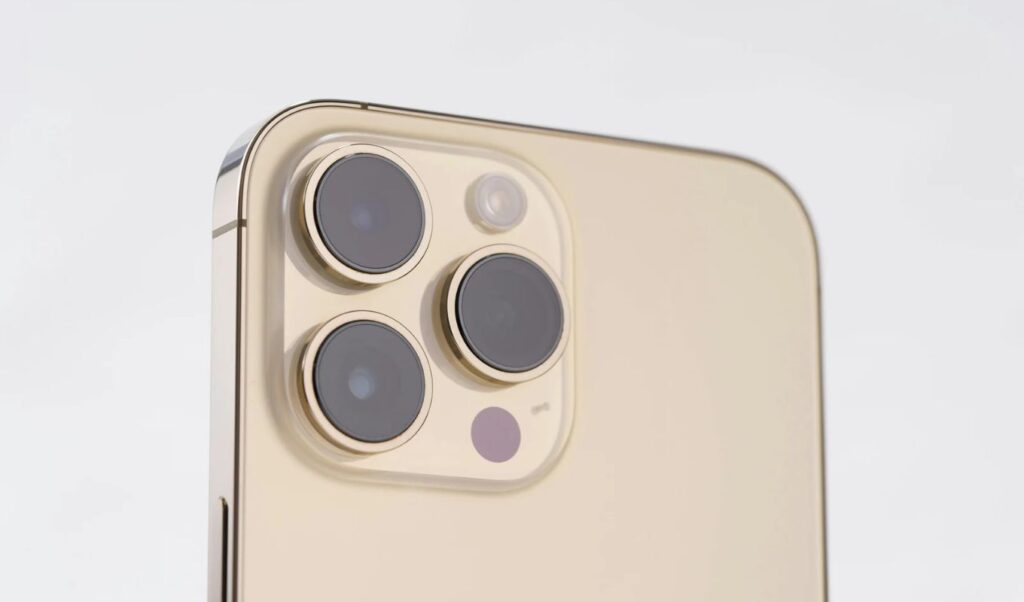
Apple is reportedly preparing significant design changes for the upcoming iPhone 20 Pro, as new leaks suggest the anniversary device — marking 20 years of the iPhone lineup — will feature a curved display. Apple is expected to skip the iPhone 19 name entirely and jump straight to iPhone 20, connecting the new device to the two-decade anniversary of the original iPhone’s release.
Read: Black Friday 2026: When do flight deals from Aegean and Sky Express begin?
The design approach echoes older Android models that once embraced curved screens, before most manufacturers eventually abandoned the concept.
iPhone 20 Pro: The new look and changes to the glass
According to leaked information, Apple is planning a major overhaul of the device’s exterior, with a unified aesthetic between the front and back panels as its defining feature. The metal frame is expected to sit seamlessly between the two glass surfaces, while all four edges of the display will curve toward the frame. The corners will be more rounded, and the cutouts for the Face ID facial recognition system are also expected to be smaller. Well-known leaker Ice Universe published a 3D video of the protective glass for the new models, offering a glimpse into the design direction Apple may be heading.
According to the same sources, the iPhone 20 Pro will feature a 6.41-inch display, up from the 6.27 inches of the current model. The iPhone 20 Pro Max is expected to reach 6.96 inches. However, the design is not yet considered final, as durability testing and ongoing technological development could still bring changes before mass production begins.
Why Apple is returning to curved screens
The potential return to curved displays is tied to Apple’s desire to unveil a device that stands out visually — one that carries the same symbolic weight as the iPhone X, which launched to mark the tenth anniversary of the original iPhone. The symmetrical curvature is believed to create a more immersive viewing experience by visually minimizing the screen bezels. To achieve this design, Apple is reportedly considering the use of thinner and brighter Samsung OLED panels.
Curved screens, however, are far from a new concept. Android manufacturers widely adopted them in the past, primarily for aesthetic reasons, but gradually phased them out due to practical issues in everyday use.
The problems curved screens caused on smartphones
Despite their striking appearance, curved screens created a number of headaches for users. Accidental touches along the screen edges, unwanted reflections, and difficulty applying screen protectors were among the issues that led many Android manufacturers to abandon the design choice.
Apple is now attempting to revive this aesthetic by leveraging newer display manufacturing technologies. The key question is whether the company can overcome the pitfalls of the past and deliver a genuinely practical user experience.
If the reports are confirmed, the iPhone 20 Pro — expected to launch in 2027 — will represent one of the most significant design shifts in the history of the iPhone lineup.