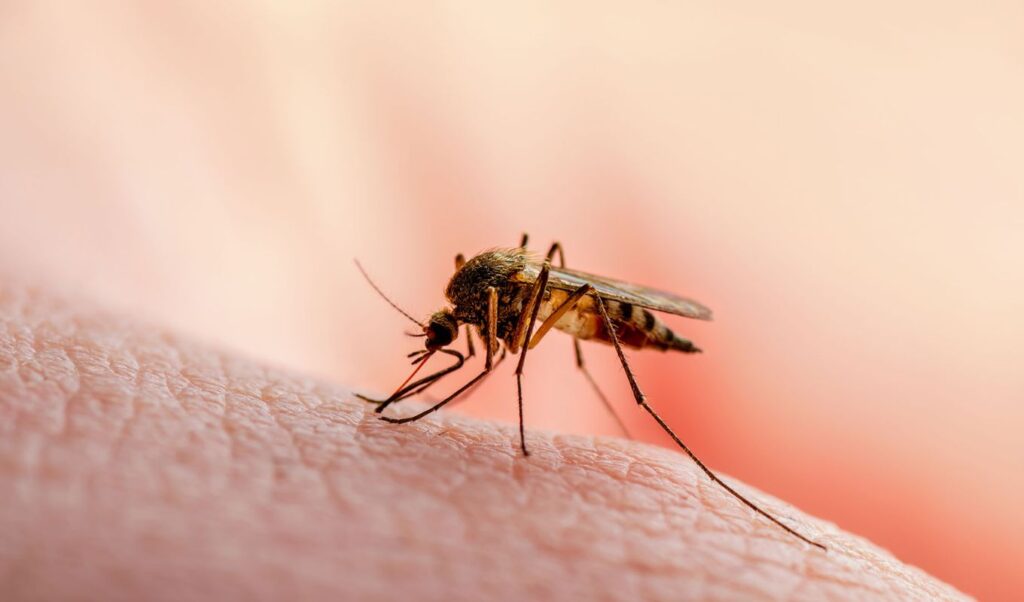
The spread of the West Nile virus is widening, as new cases have been confirmed in two more municipalities in Attica as well as in Crete. In Kifissia, as soon as the first case was reported, the municipality immediately launched emergency larvicidal and adulticide spraying across a radius of at least 300 meters around the recorded location. Additional interventions were also carried out in drainage wells and other potential mosquito breeding sites. A separate case was recorded for the first time in the municipality of Filothei-Psychiko. In Crete, the virus has appeared for the first time this year, involving a 75-year-old patient with an underlying medical history who traveled from Athens to Ierapetra and is currently hospitalized in stable condition in the ICU of Venizelio Hospital in Heraklion. Fewer than 1% of those infected with the West Nile virus will develop serious symptoms. For those individuals, the risk of death ranges between 10–15%. The epidemic outbreak is expected to peak by the end of August but will continue through the end of September.
West Nile virus: Estimates suggest it could surpass 2018 record levels
According to current figures, the West Nile virus is experiencing its largest outbreak since 2018, which was the record year for Greece. At that time, 317 cases and 51 deaths were recorded. Based on the mathematical models available to scientists, this year’s numbers could potentially exceed that figure, given the upward trend currently being observed in new cases. Attica is on high alert, with 33 municipalities reporting confirmed cases, while estimates suggest the virus is circulating throughout the entire region. The most recently notified municipalities by the National Public Health Organization (EODY) are Kifissia and Filothei-Psychiko. Eastern Attica is considered the most heavily affected area, though the virus is also circulating in the central, southern, and western sectors. Beyond Attica, cases have also been recorded in the regions of Thessaly, Central Macedonia, the Peloponnese, Central Greece, and Crete, where one imported case from Attica has been confirmed.
“A healthy organism can fight off the infection and overcome it either completely asymptomatically or with a mild fever. When the body cannot cope with the infection, the central nervous system becomes affected, and the person is unable to manage the side effects of the infection — such as respiratory failure or hemodynamic instability — conditions that are very difficult for an elderly person to overcome,” said Professor of Microbiology at the University of Athens, Athanasios Tsakris, speaking to ERTnews.
What are the symptoms of West Nile virus infection?
According to EODY, 80% of infected individuals remain asymptomatic, 20% develop mild illness, while fewer than 1 in 100 patients (<1%) develop severe clinical disease.
Asymptomatic infection: 80% of those infected show no symptoms whatsoever.
Mild illness: Approximately 20% of those infected develop the mild form of the disease, which may present with symptoms such as fever, headache, general weakness and fatigue, muscle and joint pain (flu-like syndrome). Gastrointestinal symptoms may also appear (nausea, vomiting, diarrhea, loss of appetite, abdominal pain), along with skin rashes and swollen lymph nodes.
Severe disease: Fewer than 1 in 100 infected individuals — primarily older adults — develop the severe form of the disease, which affects the central nervous system (encephalitis, meningitis, or acute flaccid paralysis). Symptoms of the severe form may include fever, headache, stiff neck, altered levels of consciousness and behavioral changes (apathy, lethargy, disorientation, confusion, coma), neurological symptoms (instability, impaired gait and mobility, tremors, seizures, paralysis), severe muscle weakness, and visual disturbances.
Who is most at risk of developing severe illness?
As EODY notes, severe illness can occur in people of any age; however, older age (>50 years) is the most significant risk factor for serious disease and fatal outcomes. The most severe manifestations typically occur in immunocompromised patients and, more broadly, in individuals with chronic underlying health conditions.