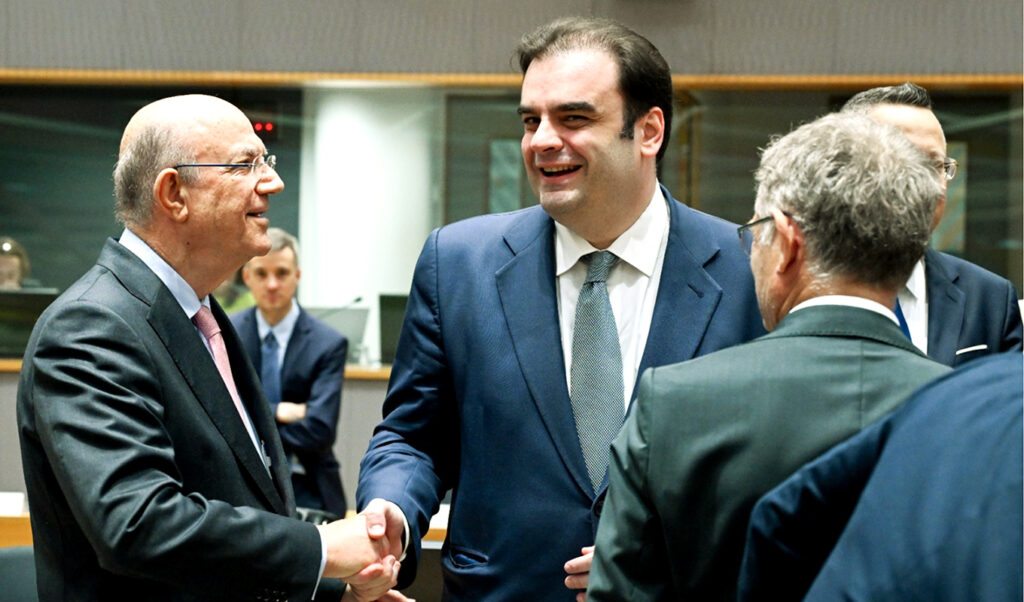
The Minister of National Economy and Finance and President of the Eurogroup, Kyriakos Pierrakakis, is in Brussels, where he participated in the open session of the EU Council of Ministers (ECOFIN). “The question is, do we want to be the generation of politicians who will unleash the potential of the European Union or not?” he asked during his intervention at ECOFIN, emphasizing that “it requires political courage to achieve economic transformation.”
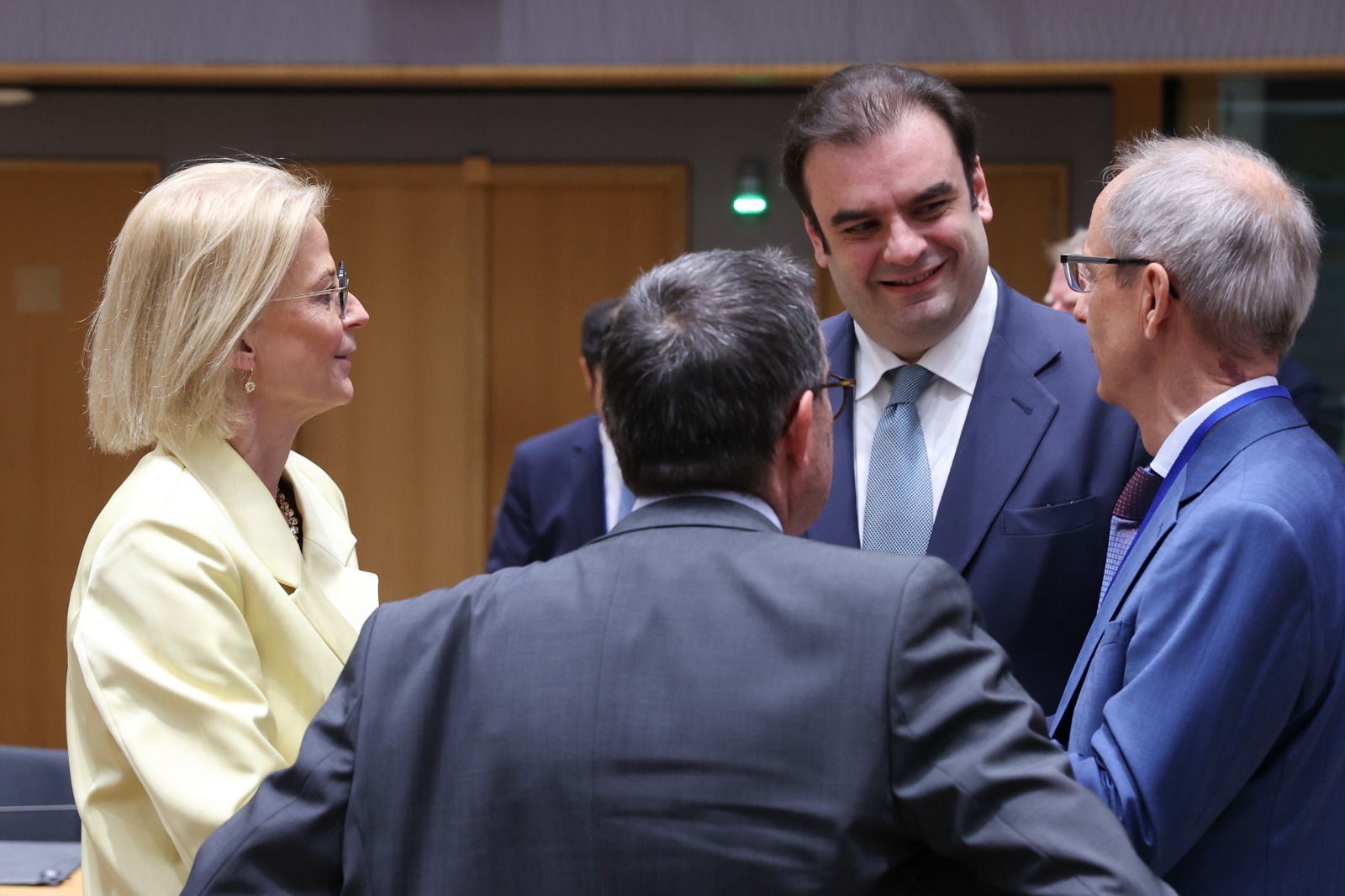
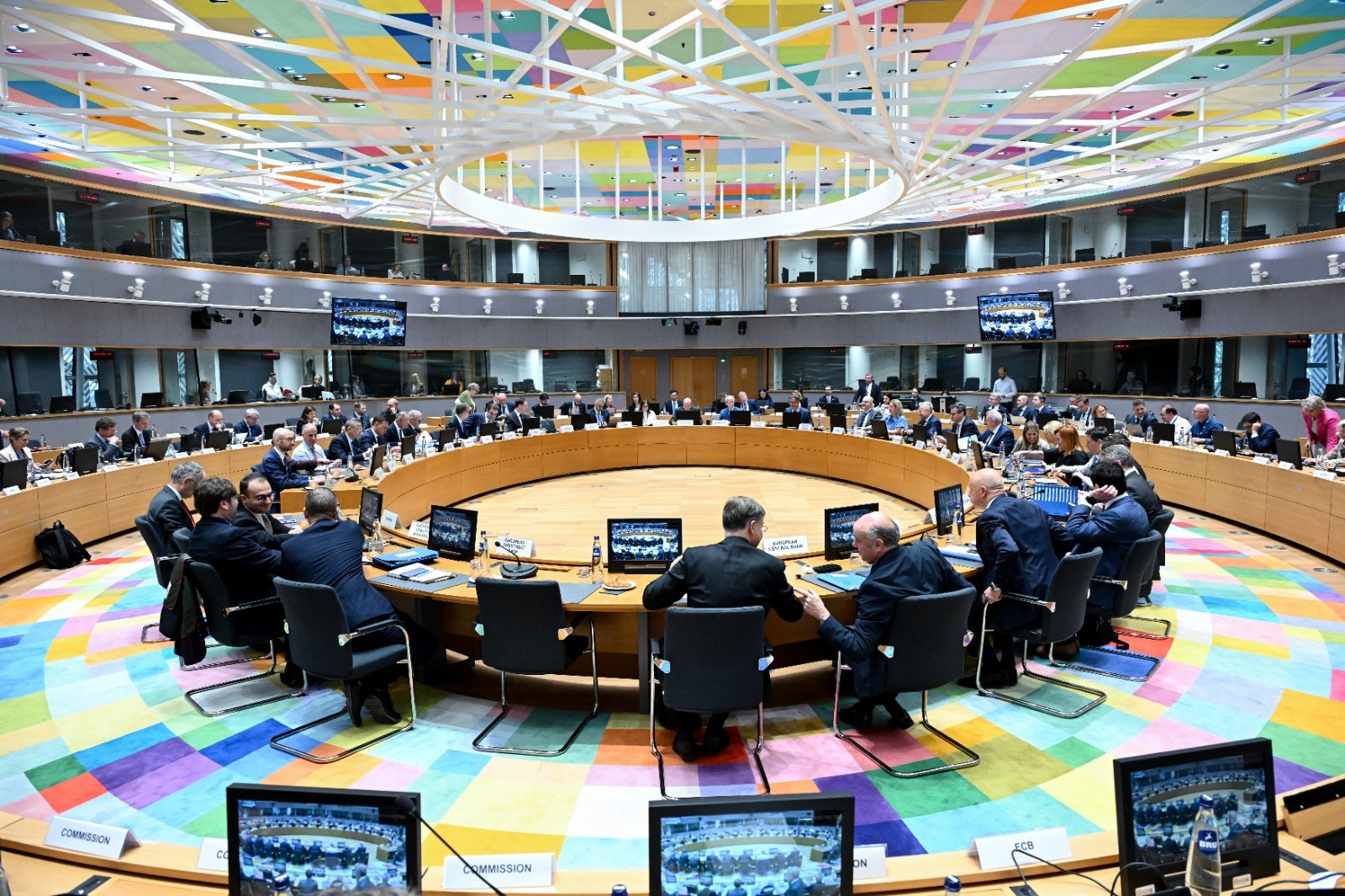
Kyriakos Pierrakakis’s full intervention at ECOFIN
“The dilemmas behind the discussion on the Savings and Investment Union seem to keep coming back. If I had to put it simply, the basic question is this: will we stay in discussion or move to action? Will we continue to repeat that we agree with the Savings and Investment Union, but then put forward our national reservations – the ‘yes, but’? Or will we move to implementation?
Two stories come strongly to mind in these discussions, because both, each in its own way, share common characteristics whether we’re talking about cross-border banking consolidation, the digital euro, or elements of the Capital Markets Union.
I will return to these stories at the end of my speech, but let’s first move to the technical issues.
We support the European Commission’s proposal. We need to strengthen ESMA’s (European Securities and Markets Authority) capabilities, because, frankly, we cannot do the same thing 27 times. And especially as technological developments accelerate, this will become increasingly difficult.
Can we maintain capabilities at the national level? Yes, we can. We have already done this through the Single Supervisory Mechanism of the European Central Bank. It is a very useful example. We have applied it in the past: central supervision can be combined with decentralized application and execution. Overall, the degree of supervision can vary based on operational needs.
There are objective criteria we can use: cross-border activity, operational significance for the market, the need to ensure level playing fields. These can guide supervision each time. And I think Bertrand (Dumont) mentioned earlier a very interesting framework for finding common ground.
Moving now to the two stories, to conclude:
The first is the repeal of the Corn Laws in 1846. The United Kingdom is no longer at the table, but this is a very characteristic example – Ireland knows it well – where the United Kingdom chose systemic efficiency over national protection. We’re talking about tariffs, an issue that is again topical globally.
This move, choosing economic efficiency and tearing down barriers and protectionism, unleashed the economic potential of the British Empire at the time. It requires political courage to achieve economic transformation. Believe me, I come from a country that has proven this at the national level. And it pays off socially, politically, and economically.
The last story – and the first time I reference something from ancient Greece in my ECOFIN intervention – is from the Persian Wars.
When the Oracle of Delphi said that ‘wooden walls’ would save the city, some interpreted it literally: to actually build walls around Athens. However, the more open-minded of the time, specifically Themistocles, interpreted the ‘wooden walls’ as ships. And thus the famous Battle of Salamis was won.
The lesson is clear: do you open up or close down? Do you choose to tear down the walls and unleash potential, or not?
At the end of the day, such discussions are more philosophical than technical. Do we want to be the generation of politicians who simply protect the same things again and again, or the one that unleashes the potential of this Union? I think the question is rhetorical.
Thank you.”