Time is running out until 03:00 Wednesday morning, when Donald Trump’s ultimatum will expire for Iran to reach an agreement, as diplomatic tensions in the Middle East escalate dramatically. The American president sends a clear message to Tehran, warning that if it doesn’t open the Strait of Hormuz, “an entire civilization will die,” dramatically raising the stakes of the crisis.
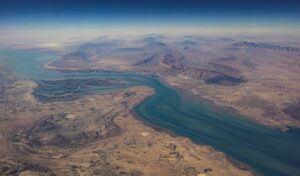
The international community and energy markets are watching with bated breath, trying to decipher Washington’s next moves. The Strait of Hormuz, one of the world’s most critical energy corridors, stands at the center of a geopolitical confrontation with unpredictable consequences.
Middle East war and Trump threats: 3 key scenarios examined according to Wall Street Journal
According to international analyses, three scenarios are most likely for the coming day:
1. No immediate military action (low probability)
The possibility of de-escalation without military action is considered least likely. Trump has invested politically in the ultimatum, and backing down could damage his credibility.
However, alternative pressure “tools” remain open, such as imposing tolls on ships passing through the Strait of Hormuz — a move that could serve as an intermediate solution without immediate confrontation.
2. Extension through negotiations
A more balanced scenario envisions announcement of progress in talks. In this case, Washington could postpone the deadline, temporarily reducing tensions.
Diplomatic contacts are already underway, although the American side appears cautious, with Trump stating that Iran’s proposals so far “are not sufficient.”
3. Military escalation with severe strikes
The most extreme scenario remains on the table. If Washington assesses that Tehran is deliberately stalling, immediate attacks after the deadline expires cannot be ruled out.
These actions could be either massive or gradual, aimed at increasing pressure and bringing Iran back to the negotiating table.
The Strait of Hormuz remains at the center of global concern, with developments expected to directly impact oil prices, shipping, and geopolitical balance.
The next moves will determine whether the crisis leads to de-escalation or a new, more dangerous phase.