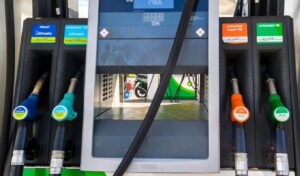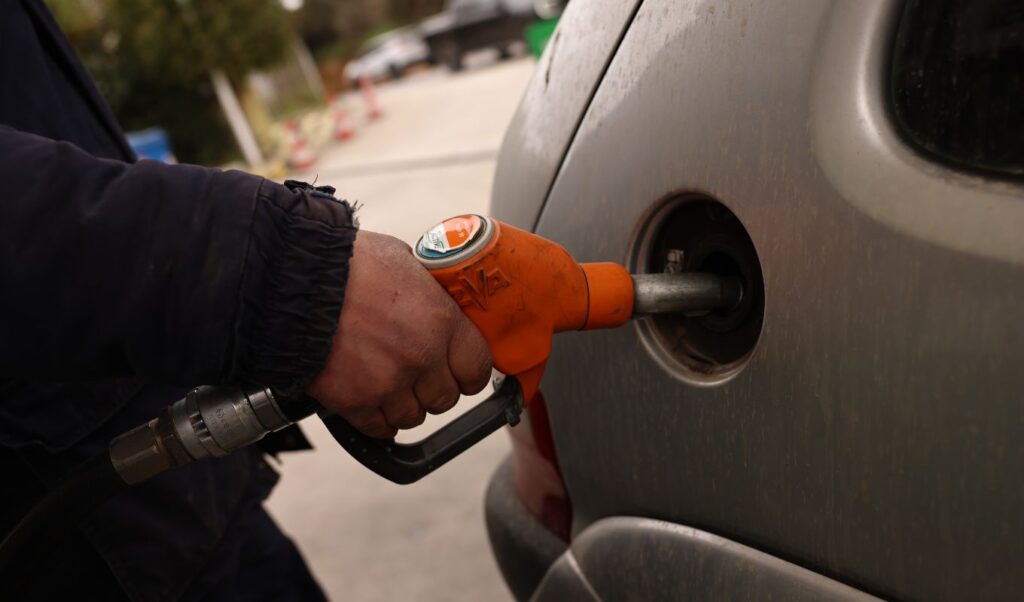
Fuel prices have been on a continuous upward trajectory in recent times across the country, spreading anxiety and uncertainty among consumers as well as market professionals. In this context, the president of the Athens Gas Station Owners Union, Maria Zagka, spoke on Parapolitika 90.1 radio show “Morning Departure” with journalist Eri Panagou, describing the current situation in the fuel market. Regarding fuel prices, Mrs. Zagka emphasized that “the average price of regular unleaded gasoline in Athens ranges around 2.030 to 2.040 euros per liter, while diesel has surpassed unleaded,” a fact she characterized as “unprecedented.” “We had seen this before in 2022, at the beginning of the Russia-Ukraine war, when diesel reached similar levels and caused shock in the market,” she noted.
Read: Fuel pass applications open on April 6: Five steps for the application
Fuel prices rising – What Maria Zagka said on Parapolitika 90.1
It’s worth noting that professional drivers are facing particularly intense pressure, as increased fuel costs affect both product and service prices. Mrs. Zagka observed that traffic at gas stations has decreased “noticeably” after the initial “wave of panic,” when consumers rushed to fill their tanks. “People are agitated, scared, and angry. They wonder how they’ll manage. With the same money, they now buy fewer liters of fuel,” she said characteristically. This situation is expected to affect the Easter period as well, since high transportation costs act as a deterrent.
“There’s no possibility of forecasting”
Additionally, Mrs. Zagka described the uncertainty prevailing in the market, stating that “there’s no possibility of forecasting. Prices change daily, with each invoice. We might see increases from one day to the next without any warning.” As she explained, the international situation and geopolitical developments directly affect oil costs, with Brent crude oil prices moving at high levels and the fear of further increases remaining.
“Fuel doesn’t discriminate”
Finally, Mrs. Zagka referred to the support measures announced by the government, giving special emphasis to the need for horizontal interventions: “Fuel doesn’t discriminate. It doesn’t only affect specific groups. We need measures that cover everyone, because the burden is generalized,” Mrs. Zagka concluded.