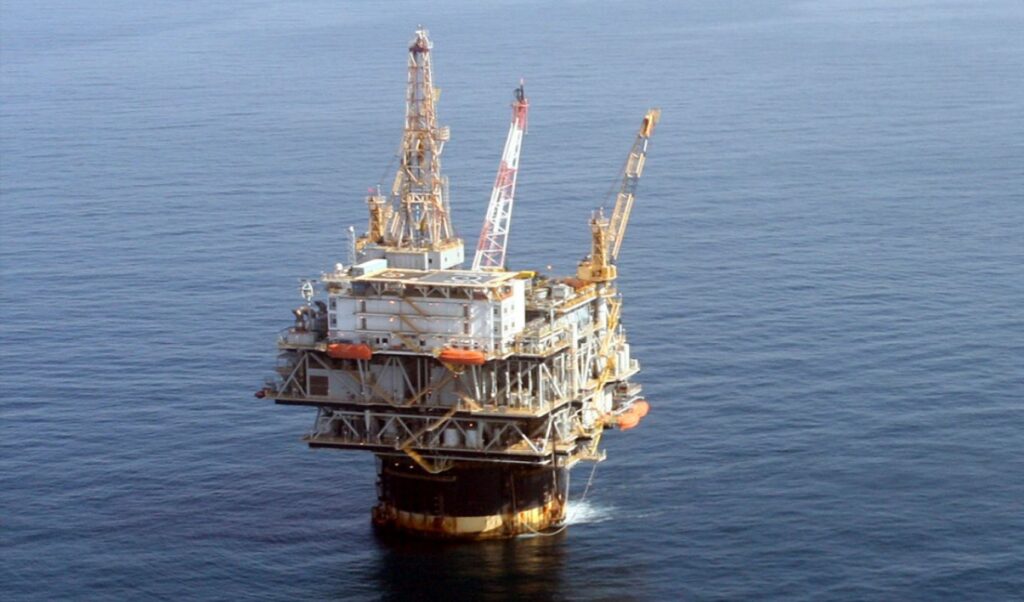
Significant developments in the vertical corridor and hydrocarbon exploration are expected in the coming period, developments – milestones for the energy reality of the country and the broader region. Starting this week, with the signing of contracts between the Greek State and the Chevron–Helleniq Energy consortium this Monday 16/02/2026 for the commencement of exploration in the offshore blocks “South Peloponnese,” “A2,” “South of Crete I” and “South of Crete II.”
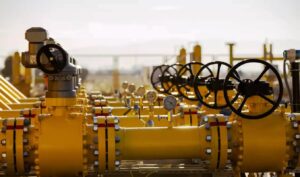
The vertical natural gas corridor emerges as a comparative advantage for attracting investments in the hydrocarbon exploration and production sector in Greece, as it ensures the channeling of deposits – if discovered – to the international market. Currently, the vertical natural gas corridor, consisting of liquefied natural gas (LNG) reception and regasification infrastructure in our country and interconnector pipelines with southeastern European countries, is promoted as the primary option for replacing Russian natural gas, which according to the current European framework will stop being imported to the EU by the end of 2027.
However, to the extent that commercially viable deposit discoveries occur in the country, this corridor will be able to serve as a channel for exporting gas quantities that – provided they are confirmed – would exceed domestic consumption needs.
Chevron-Helleniq Energy contract signing: The critical milestones
The next milestones are:
-The commencement of seismic surveys in the 4 areas towards the end of the year.
-The execution of an exploratory drilling in “plot 2” in the Ionian Sea by the ExxonMobil-Energean-Helleniq Energy consortium. This is the first drilling in the country after 40 years and the first ever in deep offshore waters.
Regarding the vertical corridor, significant expectations are cultivated for substantial activation after consultations to be held on February 24 in Washington with participation of representatives from regional countries and the European Commission. The meeting’s objective is to remove obstacles that currently prevent the transfer of significant natural gas quantities through Greece northward, with Ukraine as the destination.
To the extent that transportation costs through the Greek system are reduced, the corridor will develop further; however, the implementation of the ban on Russian natural gas imports to the EU by the end of 2027 will provide decisive momentum to the project as it will create a significant supply gap in the region.