The launch of the hypersonic ballistic missile Oreshnik at the city of Lviv in Ukraine, during the night between January 8th and 9th, was geographically interpreted with concern, at the moment when the Russians acknowledged the attack. The Ukrainians published photographs showing fragments from the ballistic missile, the second that the invaders have launched since the beginning of the nearly four-year war. From Kiev there is talk of a war crime, while Moscow speaks of retaliation concerning the alleged Ukrainian attack on Vladimir Putin’s presidential residence in Novgorod.
Read: Shock from Oreshnik in western Ukraine: Kiev speaks of war crime
Lviv does not “belong” to the war front, while the attack occurred near the borders with the European Union, namely Slovakia and Poland. From the EU, there was additionally talk of unacceptable escalation. Specifically, from the Coalition of the Willing. This was the conclusion from the publication of the content of the telephone conversation that British Prime Minister Keir Starmer had with German Chancellor Friedrich Merz and French President Emmanuel Macron. The British Prime Minister’s office proceeded to disclose the details.

Ukraine: What has been found from the ballistic missile
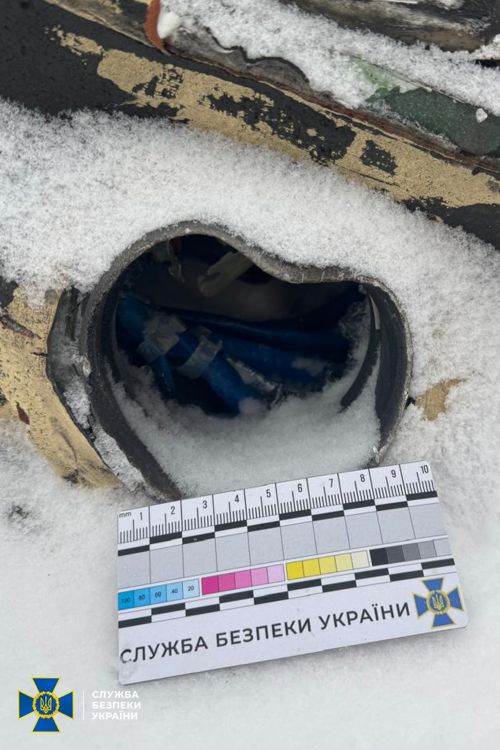
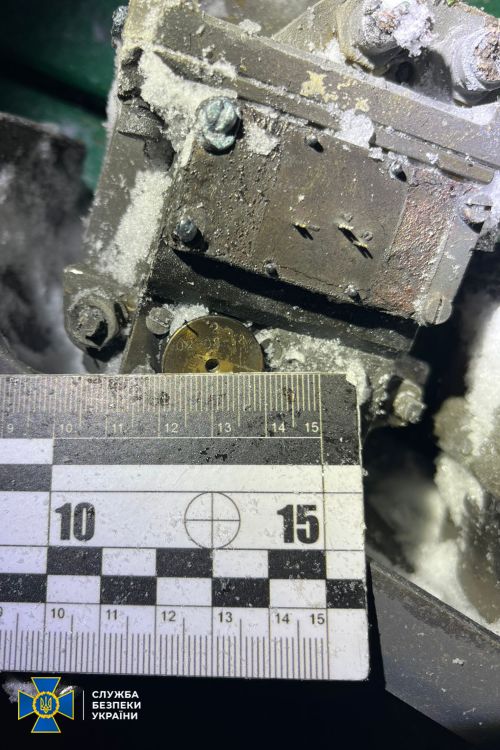
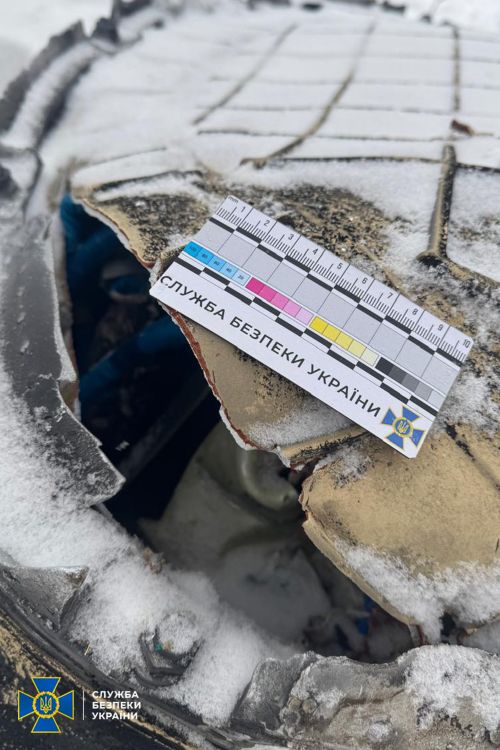
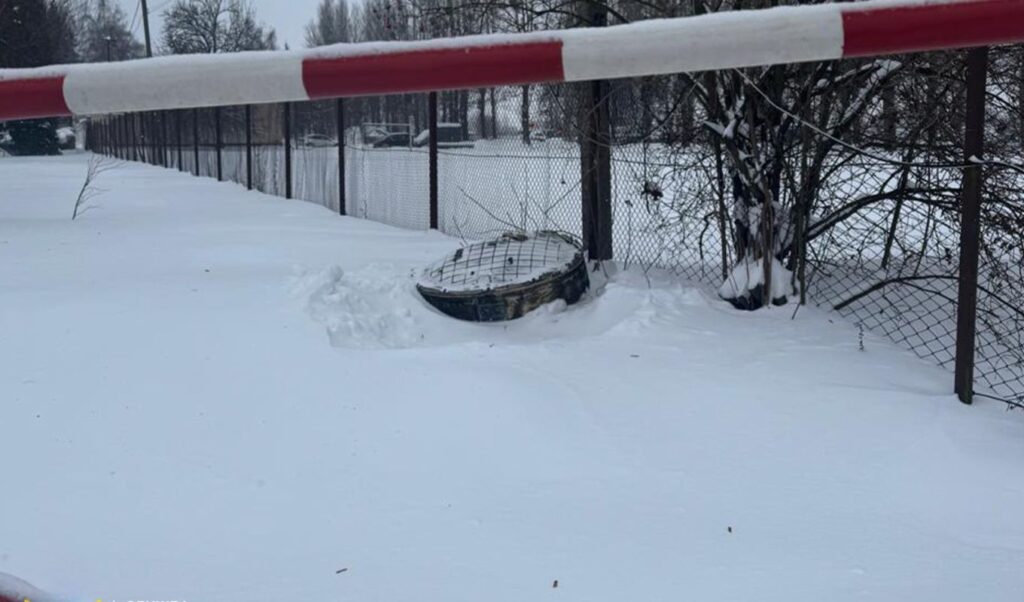
The SBU, therefore, announced that it located fragments of a ballistic missile, most likely from the Oreshnik missile system. These specific missiles can carry nuclear warheads. So far, the following have been found: a stabilization and guidance unit, described as the “brain” of the missile, components from the propulsion system, fragments of the orientation mechanism, nozzles from the separation platform, and other objects. The fragments have been registered as physical evidence and are being prepared for transport for further expert analysis.
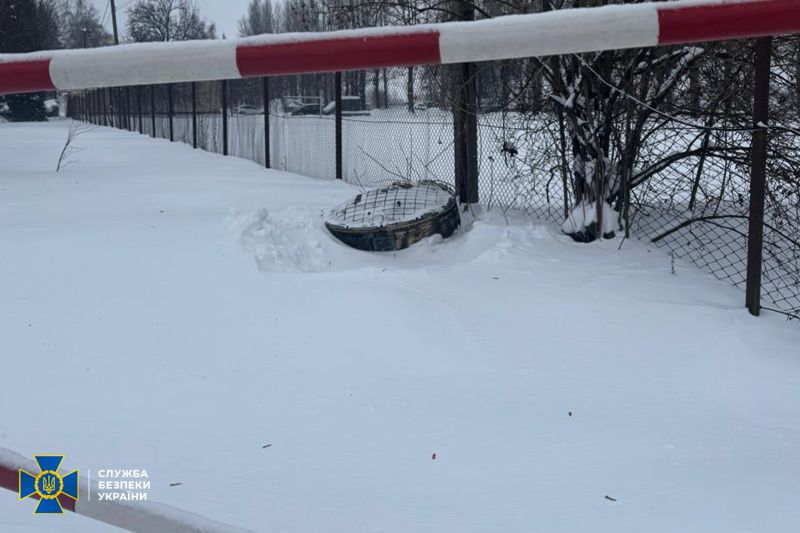
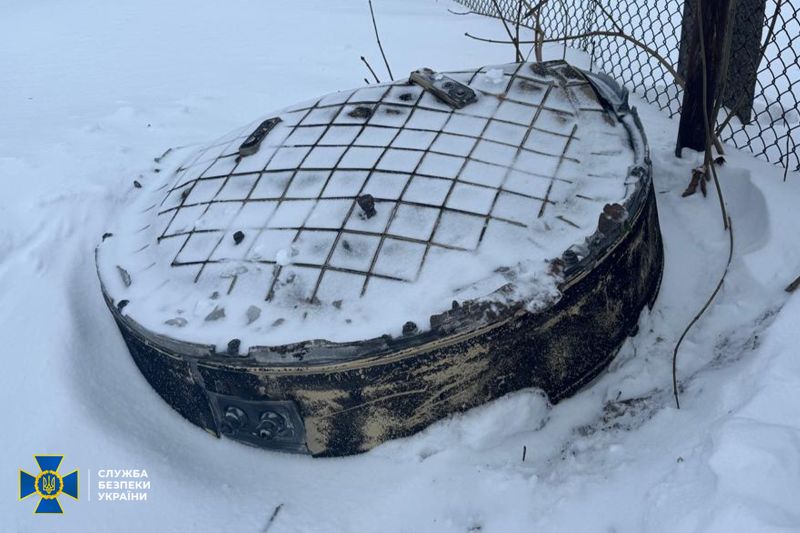
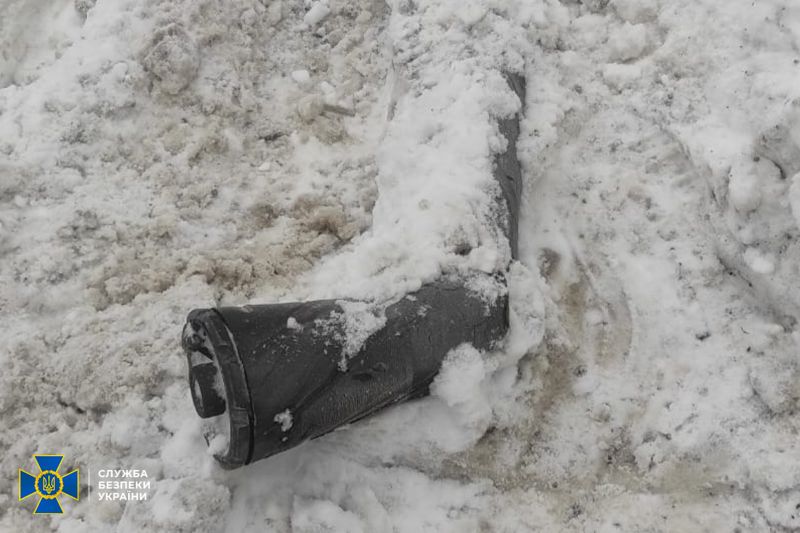
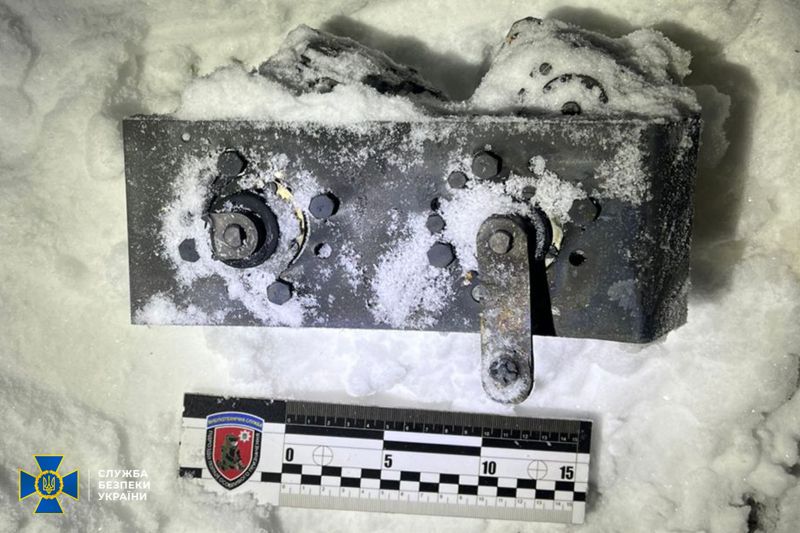
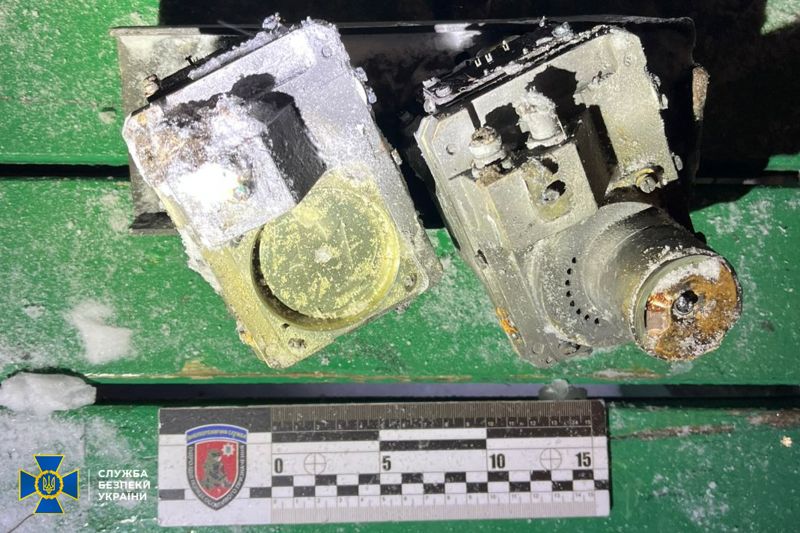
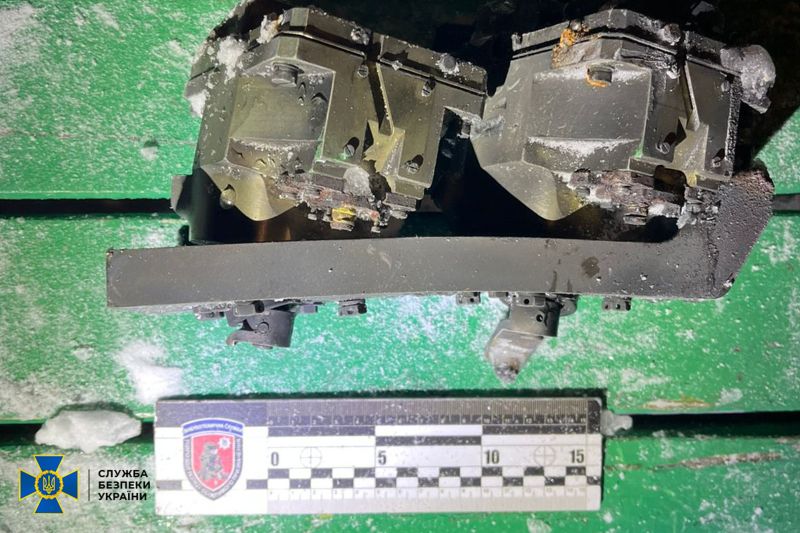
In its announcement, the SBU states that Russia attempted to destroy critical infrastructure near Ukraine’s border with the European Union. Moreover, it allegedly exploited the sudden deterioration of weather conditions. Before it was revealed where the ballistic missile was launched, it had been reported by Ukrainian President Volodymyr Zelensky and the Russian Ministry of Defense. For their part, the Lviv authorities simply announced a ballistic missile attack. The mayor of Lviv, Andriy Sadovy, had given the speed of the ballistic missile, 13,000 km/h, but not its origin, that it was an Oreshnik. Russian military bloggers claimed that a large natural gas storage facility located in the Lviv region had been targeted. Sadovy stated that “critical infrastructure” was hit, but that the attack caused no casualties.